Ceftriaxone 1gm Injection Uses: A Comprehensive Guide
Ceftriaxone 1gm injection is a powerful antibiotic used to treat a wide range of bacterial infections. This third-generation cephalosporin is administered intravenously or intramuscularly, making it suitable for both hospital and outpatient settings. Understanding its uses, potential side effects, and proper administration is crucial for effective treatment. This article will provide a detailed overview of ceftriaxone 1gm injection, covering its applications, dosage, and safety considerations. Ensuring accurate information is available is paramount for both healthcare professionals and patients.
What Infections Does Ceftriaxone 1gm Injection Treat?
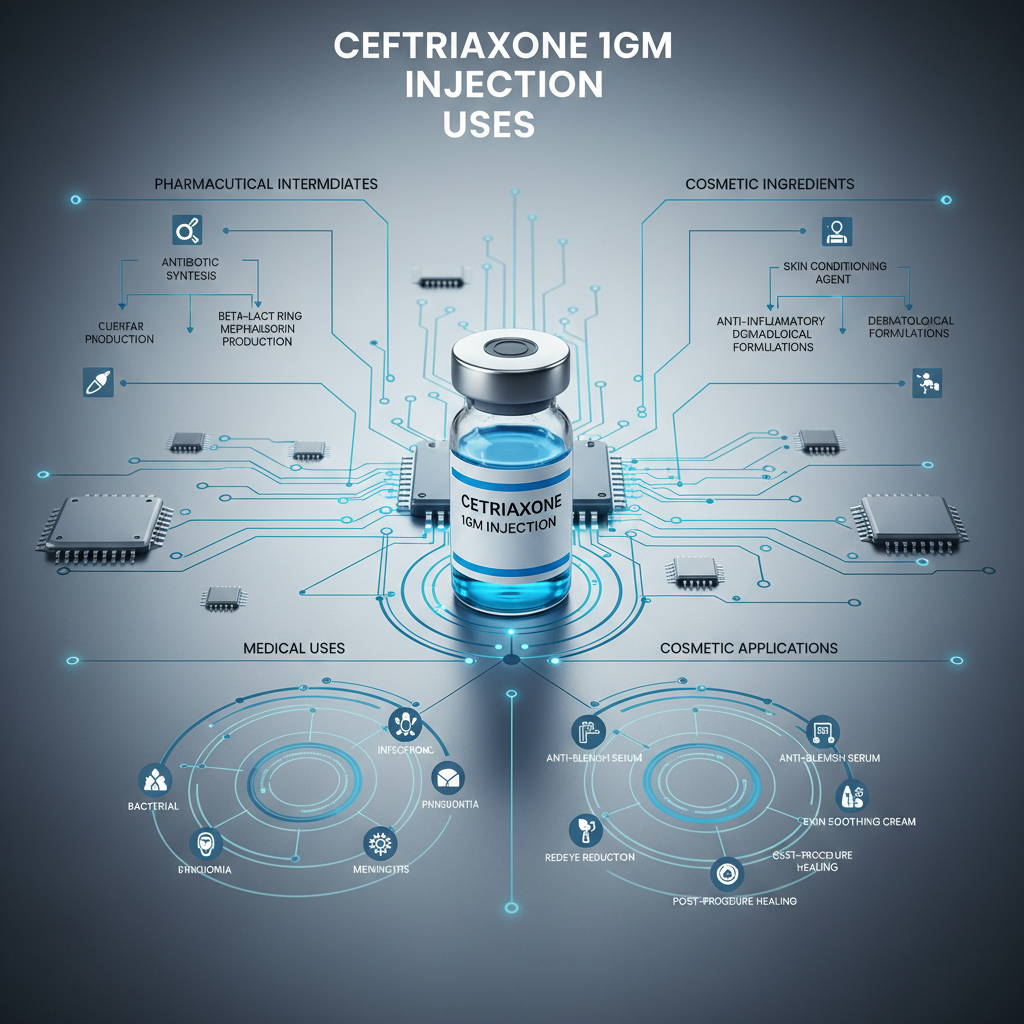
Ceftriaxone boasts a broad spectrum of activity against numerous bacteria, making it a versatile treatment option. Commonly treated infections include respiratory tract infections like pneumonia and bronchitis, skin and soft tissue infections, urinary tract infections (UTIs), and sexually transmitted infections (STIs) such as gonorrhea and syphilis. It's also used in the treatment of meningitis and sepsis, serious bloodstream infections. The effectiveness of ceftriaxone stems from its ability to inhibit bacterial cell wall synthesis, leading to bacterial death. Proper diagnosis by a healthcare professional is essential to determine if ceftriaxone is the appropriate antibiotic for a specific infection.
Key Highlights: Ceftriaxone is effective against a wide range of gram-positive and gram-negative bacteria, making it a valuable tool in combating various infections. It is commonly used for serious infections requiring intravenous or intramuscular administration.
Ceftriaxone 1gm Injection: Dosage and Administration
The dosage of ceftriaxone 1gm injection varies depending on the severity and type of infection, as well as the patient’s age, weight, and kidney function. Typically, adults receive a single daily dose of 1 to 2 grams, administered either intravenously over 30-60 minutes or intramuscularly. For certain infections, such as gonorrhea, a single dose of 250mg may be sufficient. It’s crucial to complete the entire course of treatment, even if symptoms improve before completion, to prevent the development of antibiotic resistance. Always follow your doctor's instructions carefully regarding dosage and administration. Hejiachemicaltech provides pharmaceutical grade ceftriaxone for research and development.
Dosage Considerations:
• Dosage varies based on infection severity and patient factors.
• Typically 1-2 grams daily for adults.
• Completion of the full treatment course is essential.
• Administered intravenously or intramuscularly.
Potential Side Effects of Ceftriaxone 1gm Injection
Like all medications, ceftriaxone can cause side effects. Common side effects include pain or tenderness at the injection site, diarrhea, nausea, and vomiting. More serious, but less frequent, side effects include allergic reactions (rash, itching, swelling, difficulty breathing), liver problems, and kidney problems. A rare but serious side effect is the formation of biliary sludge, particularly in infants. If you experience any concerning side effects while taking ceftriaxone, seek immediate medical attention. It’s important to inform your doctor about any pre-existing medical conditions and other medications you are taking.
Ceftriaxone 1gm Injection: Precautions and Contraindications
Ceftriaxone is contraindicated in individuals with known allergies to cephalosporins or penicillins. It should be used with caution in patients with kidney or liver problems. Prolonged use of ceftriaxone can lead to overgrowth of non-susceptible bacteria, including fungi. Pregnant and breastfeeding women should consult their doctor before taking ceftriaxone. Drug interactions can occur with certain medications, such as anticoagulants. Therefore, it’s essential to inform your doctor about all medications you are taking. Hejiachemicaltech provides comprehensive product information and support.

Quality Ceftriaxone 1gm Injection from a Trusted Supplier
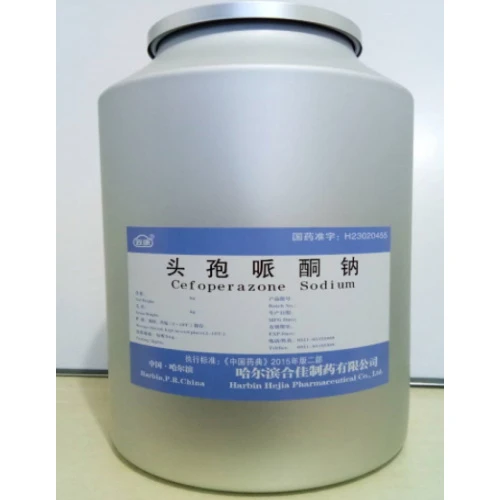
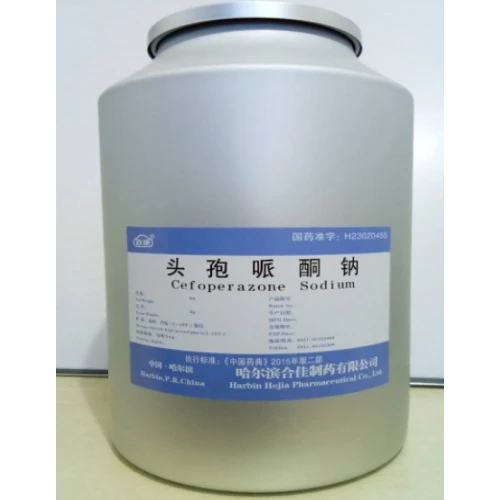
When sourcing ceftriaxone 1gm injection, it’s crucial to choose a reputable supplier that adheres to stringent quality control standards. Hejiachemicaltech is a leading supplier of high-quality pharmaceutical intermediates and APIs, including ceftriaxone. We are committed to providing products that meet the highest industry standards. Our commitment to quality assurance ensures the reliability and efficacy of our ceftriaxone products.
Conclusion: Utilizing Ceftriaxone 1gm Injection Responsibly
Ceftriaxone 1gm injection is a valuable antibiotic for treating a wide variety of bacterial infections. However, it’s crucial to use it responsibly, following your doctor's instructions carefully and being aware of potential side effects and contraindications. Choosing a trusted supplier like Hejiachemicaltech ensures you receive a high-quality product. Prioritize safety and efficacy when utilizing ceftriaxone.
Frequently Asked Questions (FAQs)
What should I do if I miss a dose of ceftriaxone?
If you miss a dose of ceftriaxone, administer it as soon as you remember, unless it’s almost time for your next scheduled dose. Do not double the dose to make up for the missed one. It's essential to maintain a consistent dosing schedule for optimal effectiveness. Contact your healthcare provider if you have any questions or concerns regarding missed doses. Missing doses can reduce the effectiveness of the treatment and potentially contribute to antibiotic resistance.
Can ceftriaxone be used during pregnancy?
The use of ceftriaxone during pregnancy should be discussed with your doctor. While ceftriaxone is generally considered safe for use during pregnancy, your doctor will weigh the potential benefits against the risks to both the mother and the developing fetus. It's crucial to inform your healthcare provider if you are pregnant or planning to become pregnant before starting ceftriaxone treatment.
What should I tell my doctor before starting ceftriaxone?
Before starting ceftriaxone, inform your doctor about all your medical conditions, especially kidney or liver problems, allergies to antibiotics (particularly penicillins or other cephalosporins), and any other medications you are taking, including over-the-counter drugs and supplements. This information helps your doctor determine if ceftriaxone is safe for you and to avoid potential drug interactions.
How is ceftriaxone administered?
Ceftriaxone is typically administered by a healthcare professional through either intravenous (IV) injection directly into a vein, or intramuscular (IM) injection into a muscle. IV administration is often preferred for more severe infections, while IM injections can be suitable for less severe cases. The duration of the infusion or injection will depend on your specific condition and your doctor's instructions.