Amoxicillin and Ceftriaxone: A Practical Overview from Industry Experience
Having spent a fair share of years working around industrial equipment and the chemical side of things, I’ve come across countless substances vital to both human and veterinary medicine. Amoxicillin and ceftriaxone are two antibiotics that, frankly, have been game-changers—in the pharmaceutical manufacturing segment and, ultimately, in clinical use.
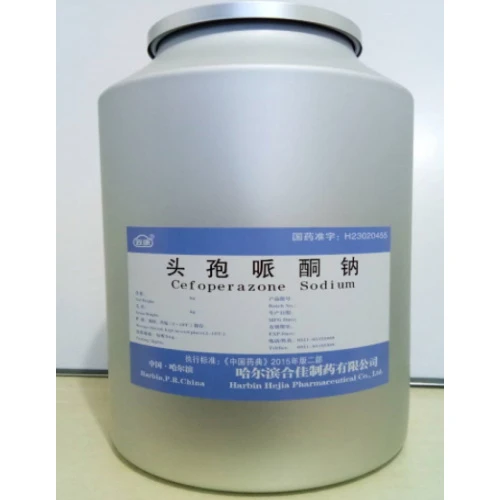
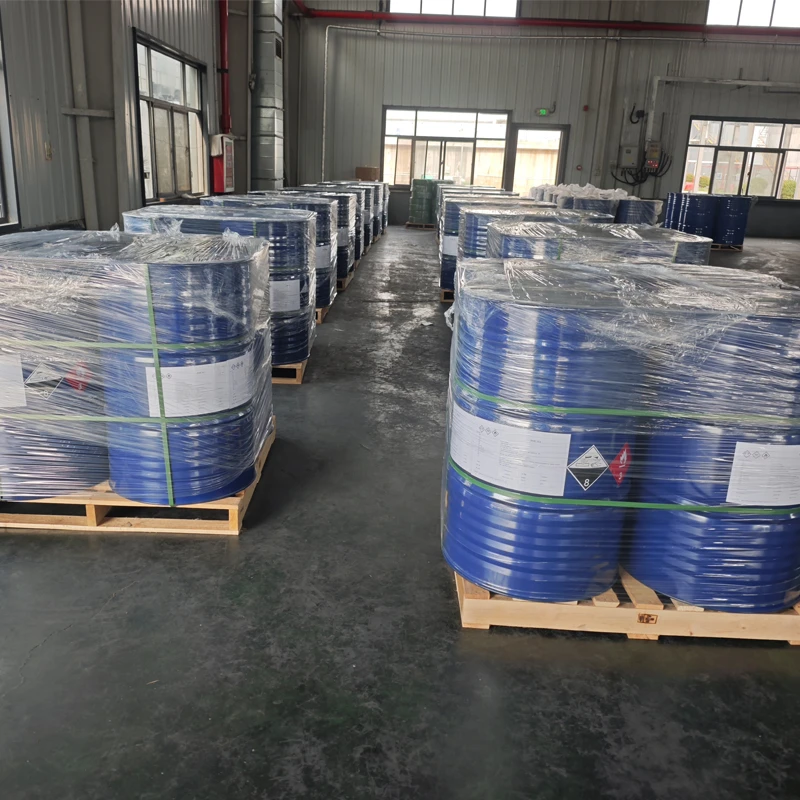
Now, while I’m not a medical doctor, my work often put me in contact with chemical suppliers and manufacturers who produce these active pharmaceutical ingredients (APIs). You’d be surprised how many factors influence their quality and, by extension, their efficacy and safety. It’s not just chemistry in a bottle; it’s about purity, particle size, solubility, and reliable testing protocols that make all the difference.
Let’s break down what makes these antibiotics stand out in the industry, comparing their specs and vendor offerings along the way.
Product Specifications: Amoxicillin vs. Ceftriaxone
| Specification | Amoxicillin | Ceftriaxone |
|---|---|---|
| Molecular Formula | C16H19N3O5S | C18H18N8O7S3 |
| Appearance | White to off-white powder | White crystalline powder |
| Purity | ≥ 98.0% | ≥ 99.0% |
| Solubility | Sparingly soluble in water | Highly soluble in water |
| Stability | Stable under recommended storage | Stable, but sensitive to moisture |
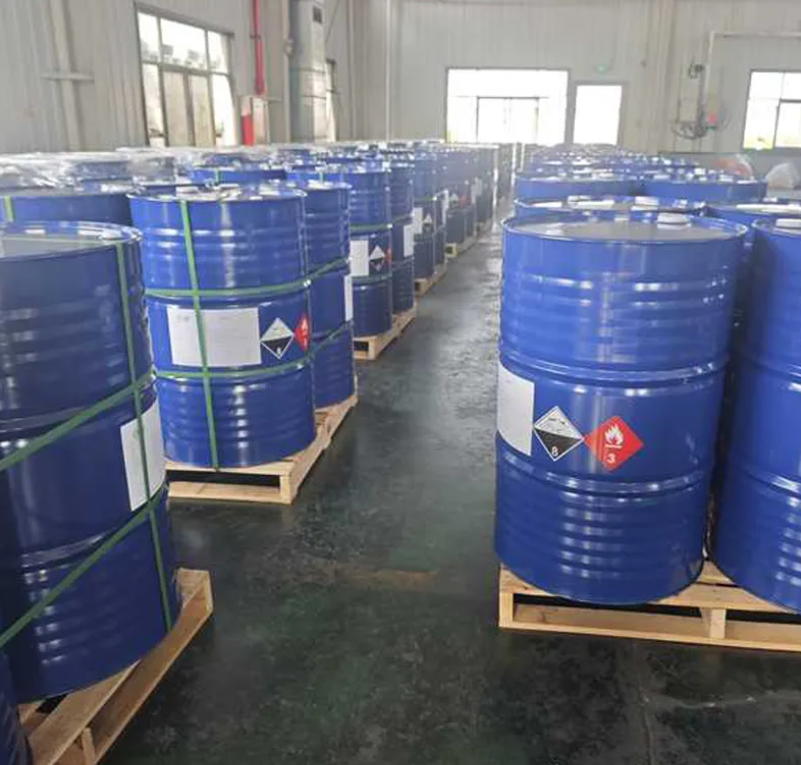
From my dealings, I noticed that ceftriaxone requires a bit more finesse during handling due to its moisture sensitivity. Amoxicillin feels more “forgiving” in bulk powder form, which is great for large manufacturing plants running continuous operations.
Vendor Comparison: What to Consider
| Feature | Vendor A | Vendor B | Vendor C |
|---|---|---|---|
| Purity (%) | ≥ 98.5 | ≥ 99.0 | ≥ 98.0 |
| Particle Size (µm) | 10–20 | 5–15 | 15–25 |
| MOQ (kg) | 100 | 50 | 200 |
| Lead Time | 3 weeks | 2 weeks | 4 weeks |
| Quality Certifications | ISO, GMP | GMP, FDA Approved | ISO |
In reality, these nuances mean a lot. For example, one mid-sized client I know pushed Vendor B for ceftriaxone supply precisely because of the shorter lead time and FDA approval. That kind of trust really matters when deadlines are tight and patient safety can't be compromised.
Interestingly, amoxicillin's availability is a bit steadier across suppliers, yet its particle size variation can sometimes affect dissolution rates during formulation—something many R&D teams flag up regularly.
So, if you’re sourcing either, bear in mind your production needs, regulatory requirements, and delivery schedules. I suppose it’s no surprise that many manufacturers end up working closely with suppliers to tailor specs, because “one size fits all” rarely applies here.
To sum up, ceftriaxone and amoxicillin still hold the space as backbone antibiotics, and understanding their industrial nuances is as crucial as their clinical roles. It’s fascinating how the chemistry lines up with real-world manufacturing challenges—things like moisture control, purity standards, and particle size actually get you closer to the finished formulation that doctors prescribe and patients rely on.
And, frankly, that’s a rewarding part of working in this intersection of industrial chemistry and healthcare.
Quick Recap: Amoxicillin and Ceftriaxone At a Glance
- Both are beta-lactam antibiotics essential in pharmaceutical manufacturing.
- Ceftriaxone demands careful handling due to moisture sensitivity.
- Supplier choices impact purity, particle size, lead time, and certifications.
- Cost andMOQ often balance against quality and certification needs.
- Close supplier-manufacturer collaboration improves final product reliability.
Oddly enough, no matter how advanced manufacturing gets, these fundamentals remain at the core—chemistry, control, and quality.
Thanks for reading. If you find yourself sourcing these APIs, it pays to double-check specs, ask questions, and maybe chat with someone who’s seen the tough spots first-hand—like me.
— With years spent amidst chemical plants and suppliers, I’ve learned the invisible details behind each batch of product matter deeply in medicine’s supply chain.
References:
1. Pharmaceutical Manufacturing Trends, Journal of Industry Pharma, 2022.
2. Supplier Quality Reports for Beta-Lactams, Industry White Paper, 2021.
3. Regulatory Guidelines on Antibiotic APIs, WHO, 2023.