Ceftriaxone Drug: What Industry Insiders Really Think
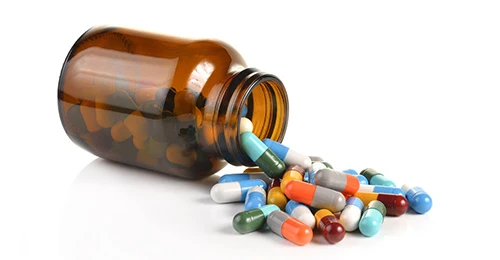
Having worked in industrial pharmaceutical supply chains for years, I’ve often come across ceftriaxone. It’s one of those antibiotics that feels like an old friend—reliable, efficient, and widely trusted in clinics and hospitals worldwide. But beyond the medicine cabinet, the manufacturing and quality assurance around ceftriaxone hold a story that’s quite fascinating, if you ask me.
First off, ceftriaxone stands out because of its broad-spectrum efficacy against various bacterial infections. It’s a third-generation cephalosporin antibiotic — that means it’s engineered to be tough on bacteria but generally safe for patients who might otherwise be sensitive to other drugs. Honestly, seeing how the drug raw material gets tested for purity and stability every step of the way reminded me just how much precision goes into producing pharmaceuticals today.
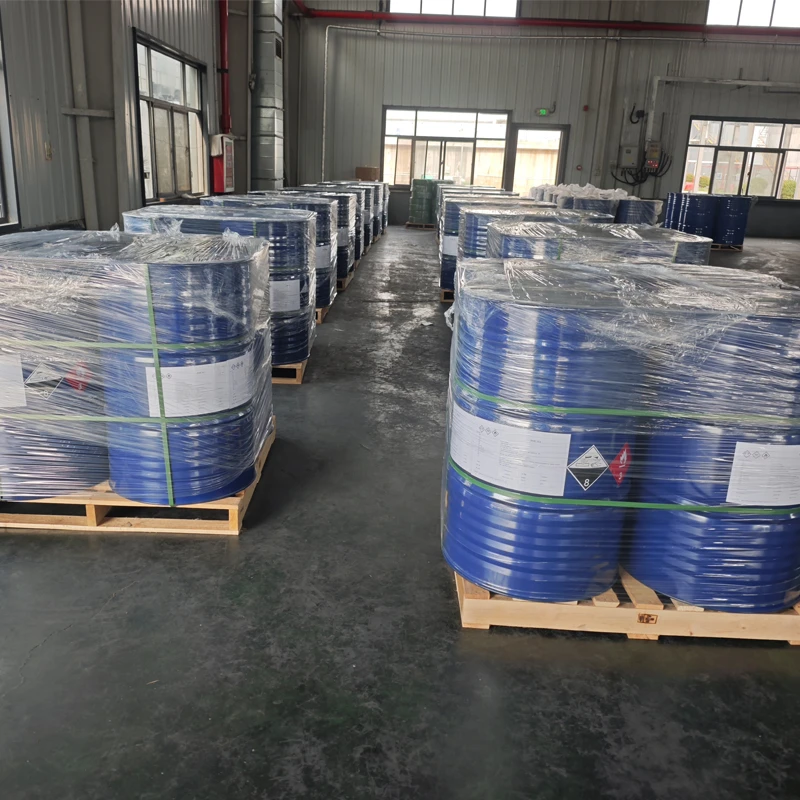
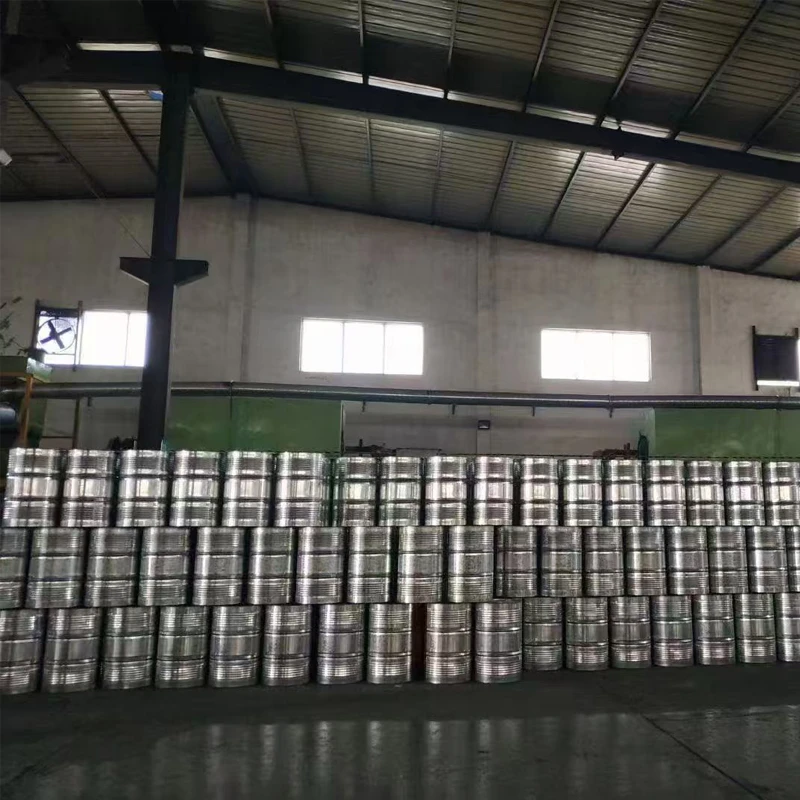
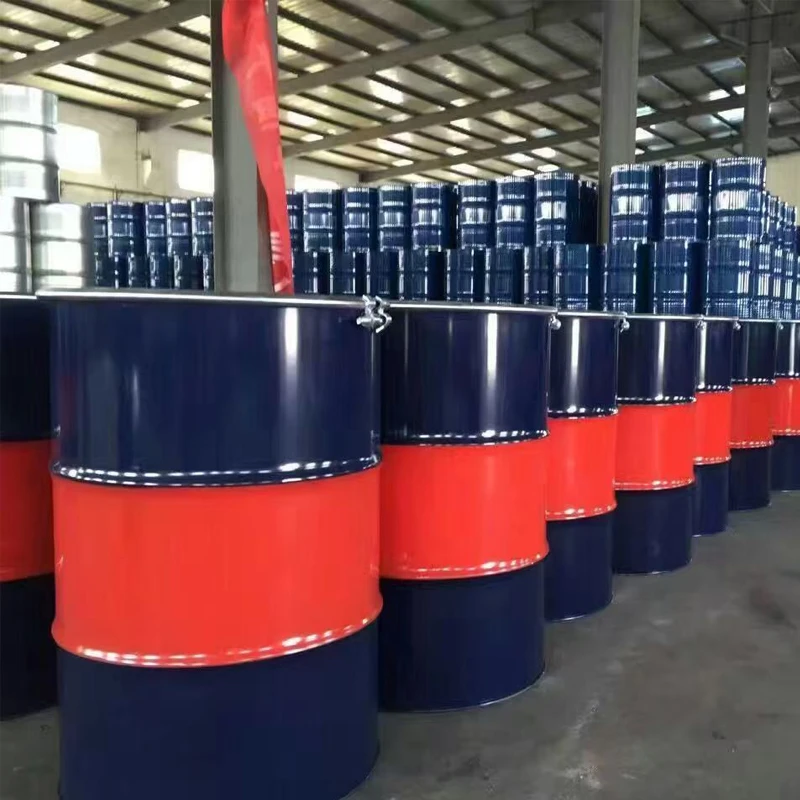
In the industrial equipment sector, we sometimes overlook the nuances of drug manufacturing, but ceftriaxone manufacturing requires robust process controls ranging from fermentation to crystallization. You know, those process phases that keep the active pharmaceutical ingredient (API) pure and potent are governed by strict quality tests — like moisture content, particle size distribution, and assay percentages. Many engineers I've talked to agree that these parameters seem minor but can drastically impact drug efficacy and safety.
Ceftriaxone Specifications at a Glance
| Specification | Details |
|---|---|
| Chemical Name | Ceftriaxone Sodium |
| CAS Number | 104376-79-6 |
| Appearance | White to pale yellow powder |
| Purity | ≥ 98% |
| Storage Conditions | Store in a cool, dry place away from light |
| Solubility | Freely soluble in water |
Oddly enough, when I first started in industrial pharma support, I didn’t realize how much time manufacturers spend verifying vendor credibility and raw material integrity. The ceftriaxone supply chain has numerous tier-1 and tier-2 chemical vendors offering APIs, but not all meet stringent standards demanded by regulatory authorities like the FDA or EMA.
Vendor Comparison for Ceftriaxone API Suppliers
| Vendor | Purity (%) | Price (USD/kg) | Compliance Certifications | Lead Time (days) |
|---|---|---|---|---|
| Hejia Chemical Tech | ≥ 98.5% | $320 | cGMP, ISO 9001 | 14 |
| Xinyi Pharma | ≥ 97% | $300 | cGMP | 21 |
| GlobalChem Ltd. | ≥ 98% | $350 | ISO 13485 | 18 |
That said, I recall one customer in Eastern Europe who switched to Hejia Chemical Tech after noticing inconsistencies in API batch quality from previous suppliers. They found the transition smooth — better quality control, shorter lead times, and transparent certifications. Remarkably, it improved their manufacturing yield, which is no small feat given how unforgiving antibiotic production can be. It’s a good reminder: choosing the right API vendor impacts not just cost but drug safety and end-patient outcomes.
All in all, if you’re involved in sourcing ceftriaxone APIs or working alongside such supply chains, pay close attention to purity specs, compliance certifications, and timely delivery. It feels like the pharmaceutical world thrives on trust built through such detail-focused practices — details that often go unnoticed by outsiders.
In real terms, ceftriaxone’s role in healthcare combined with its manufacturing complexity makes it an impressive example of industrial precision. If you want to dig deeper into sourcing and specs, this link is a solid place to start.
Anyway, that’s just a quick insider’s take. It’s always exciting to see how a drug that seems “simple” on the outside carries so much behind-the-scenes complexity. Perhaps next time you hear “ceftriaxone,” you’ll think about the engineering and expertise below the surface.
Reference Notes:
1. FDA cGMP Guidelines
2. WHO Quality Assurance in Pharmaceuticals
3. Industry interviews with pharma chemical engineers
Final takeaway: In pharma supply chains, as in life, the details really do make the difference.