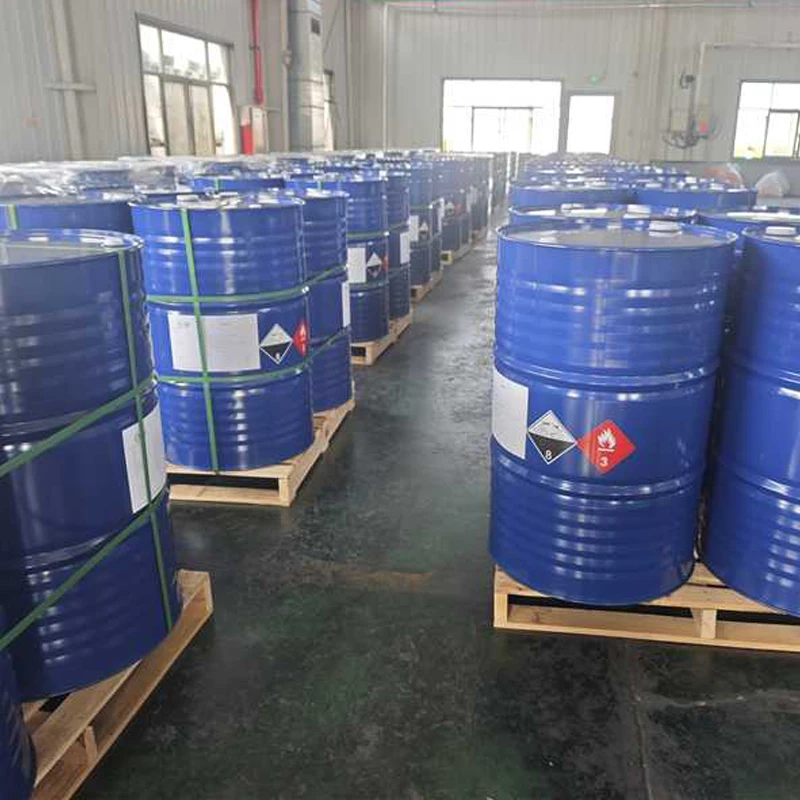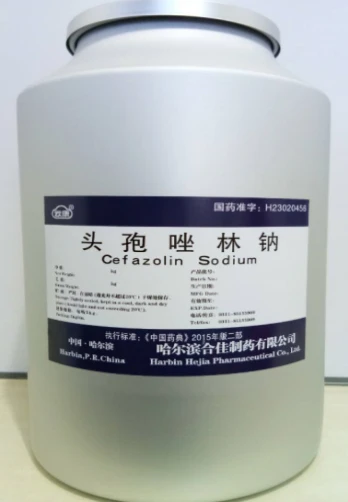
Introduction to Cefazolin Sodium: A Critical Pharmaceutical API
In the rapidly evolving landscape of active pharmaceutical ingredients (APIs), cefazolin sodium (CAS No.: 27164-46-1) stands as a cornerstone in the cephalosporin class of antibiotics. Widely recognized for its broad-spectrum efficacy against a range of Gram-positive and some Gram-negative bacteria, this first-generation cephalosporin is indispensable in both human and veterinary medicine. Its established safety profile, excellent tissue penetration, and extended half-life make it a preferred choice for surgical prophylaxis and the treatment of various bacterial infections. This article delves into the intricate details surrounding cefazolin sodium, covering its manufacturing, technical specifications, market dynamics, and strategic applications for B2B stakeholders in the pharmaceutical supply chain.
The demand for high-quality cefazolin sodium remains robust, driven by its clinical utility and inclusion in essential medicines lists worldwide. Pharmaceutical manufacturers require a reliable supply of APIs that meet stringent regulatory standards, including cGMP, USP, EP, and JP monographs. Understanding the nuances of its production, quality control, and application is crucial for optimizing procurement strategies, ensuring product integrity, and maintaining patient safety.
Manufacturing Process & Quality Assurance for Cefazolin Sodium
The synthesis of cefazolin sodium is a multi-step chemical process requiring meticulous control at each stage to ensure purity, potency, and compliance with pharmaceutical-grade standards. The primary raw material for cefazolin production is 7-aminocephalosporanic acid (7-ACA), a key intermediate in cephalosporin synthesis, typically derived through fermentation processes followed by enzymatic or chemical hydrolysis.
Detailed Process Flow:
- Acylation: 7-ACA undergoes acylation with 1H-tetrazolylacetic acid derivatives. This step involves the formation of the amide bond, which is critical for the cephalosporin structure. Precise temperature, pH, and solvent control are paramount to achieve high yields and minimize side reactions.
- Side Chain Introduction: Introduction of the 5-methyl-1,3,4-thiadiazole-2-thiol side chain at the C-3 position of the dihydrothiazine ring. This often involves a multi-step reaction with appropriate protecting groups and catalysts.
- Salt Formation: The synthesized cefazolin acid is then converted to its sodium salt form. This neutralization step typically involves reaction with a sodium source (e.g., sodium bicarbonate or sodium hydroxide) under controlled conditions to ensure optimal solubility and stability.
- Purification & Crystallization: Extensive purification steps, including solvent extraction, precipitation, and activated carbon treatment, are employed to remove impurities. The product is then crystallized under precise temperature and solvent conditions to achieve the desired crystalline form and particle size distribution.
- Drying: The wet crystals are dried using methods such as vacuum drying or lyophilization to achieve the required moisture content. This step is critical for long-term stability and prevention of degradation.
- Milling & Packaging: The dried product may be milled to achieve a specific particle size distribution if required for downstream formulation. Finally, it is packaged in inert, sterile container111s under controlled atmospheric conditions to prevent contamination and degradation.
Testing Standards & Quality Control:
Compliance with international pharmacopoeial standards is non-negotiable for cefazolin sodium. Key testing standards include:
- USP (United States Pharmacopeia)
- EP (European Pharmacopoeia)
- JP (Japanese Pharmacopoeia)
- BP (British Pharmacopoeia)
Each batch undergoes rigorous quality control, including High-Performance Liquid Chromatography (HPLC) for purity and related substances, Karl Fischer titration for moisture content, specific rotation, pH, heavy metals, and bacterial endotoxins. Manufacturers typically adhere to Good Manufacturing Practices (GMP) certified facilities, often accredited by regulatory bodies like the FDA, EDQM, or local authorities, ensuring product integrity and traceability. The shelf life of cefazolin sodium API, when stored under recommended conditions (e.g., cool, dry place, protected from light), typically ranges from 24 to 36 months.
Technical Specifications & Pharmacological Profile
Understanding the precise technical specifications of cefazolin sodium is vital for formulators and quality assurance professionals. These parameters dictate its suitability for various pharmaceutical formulations and ensure therapeutic efficacy.
Product Specification Table: Cefazolin Sodium (CAS No.: 27164-46-1)
| Parameter | Specification | Method/Standard |
|---|---|---|
| Appearance | White to off-white crystalline powder | Visual Inspection |
| Purity (HPLC) | ≥ 98.0% | USP / EP / JP |
| Water Content (KF) | ≤ 6.0% | Karl Fischer |
| Specific Rotation | +95° to +105° | USP / EP / JP |
| pH (1% solution) | 4.5 - 6.0 | USP / EP / JP |
| Related Substances | Total ≤ 2.0% | HPLC |
| Heavy Metals | ≤ 20 ppm | USP / EP |
| Bacterial Endotoxins | < 0.15 EU/mg | LAL Test |
| Assay (on anhydrous basis) | 90.0% - 105.0% | USP / EP / JP |
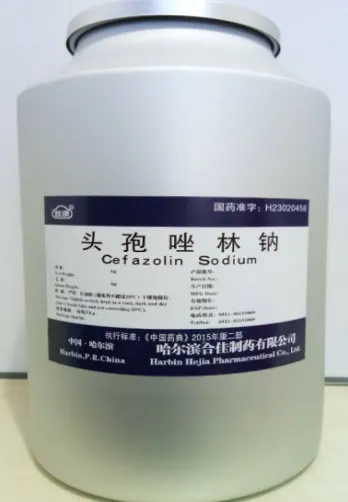
Pharmacologically, cefazolin sodium exhibits bactericidal activity by inhibiting bacterial cell wall synthesis. It is largely resistant to staphylococcal penicillinase, which contributes to its effectiveness against many penicillin-resistant Staphylococcus aureus strains. Its pharmacokinetic profile includes high peak plasma concentrations, low protein binding (approximately 80%), and primarily renal excretion, leading to a relatively long elimination half-life of approximately 1.8 hours, allowing for less frequent dosing.
Industry Trends & Market Insights
The global market for cephalosporin antibiotics, including cefazolin sodium, is influenced by several key trends. The rising incidence of bacterial infections, increasing surgical procedures worldwide, and the need for effective prophylactic agents continue to drive demand. However, the increasing threat of antimicrobial resistance (AMR) is pushing R&D towards newer generations of antibiotics, alongside a renewed focus on optimizing the use of existing, proven drugs like cefazolin.
Regulatory landscapes are becoming more stringent, particularly concerning API quality and supply chain transparency. Pharmaceutical companies are prioritizing suppliers with robust quality management systems, comprehensive regulatory documentation (e.g., DMFs, CEPs), and a proven track record of compliance. Furthermore, the push towards cost-effective generic formulations in emerging markets ensures a steady demand for high-volume, reliable cefazolin sodium API manufacturers. The veterinary pharmaceutical sector also represents a significant, stable market segment for cefazolin due to its efficacy in treating various animal infections.
Application Scenarios & Clinical Relevance
Cefazolin sodium is a versatile antibiotic with a wide array of applications in clinical practice, serving as a critical agent in both human and veterinary medicine. Its established efficacy and favorable safety profile make it suitable for several therapeutic and prophylactic indications.
Key Application Areas:
- Surgical Prophylaxis: This is arguably the most common and critical application. Cefazolin is highly effective in preventing post-operative infections in various surgical procedures, including orthopedic, cardiac, gastrointestinal, and gynecological surgeries. Its long half-life and good tissue penetration make it ideal for pre-operative administration.
- Treatment of Skin and Soft Tissue Infections: Effective against infections caused by susceptible Gram-positive bacteria, such as cellulitis, impetigo, and wound infections.
- Bone and Joint Infections: Used in the treatment of osteomyelitis and septic arthritis, often as part of a multi-drug regimen.
- Urinary Tract Infections: Effective against susceptible bacterial strains causing UTIs.
- Respiratory Tract Infections: Employed in the treatment of pneumonia, bronchitis, and other respiratory infections where susceptible organisms are identified.
- Endocarditis Prophylaxis: Recommended for certain dental or surgical procedures in patients at high risk of bacterial endocarditis.
- Veterinary Medicine: Widely used in livestock and companion animals for treating bacterial infections, particularly in surgical settings and for skin/soft tissue infections.
The target industries are primarily pharmaceutical companies (for human and veterinary formulations), contract manufacturing organizations (CMOs), and research institutions developing novel drug delivery systems or combination therapies. Its reliable performance ensures both patient safety and operational efficiency for healthcare providers.
Technical Advantages & Efficacy Profile
The enduring relevance of cefazolin sodium stems from its distinct technical and pharmacological advantages, making it a preferred choice over other antibiotics in specific clinical contexts.
- Broad-Spectrum Activity: Offers excellent activity against Gram-positive organisms (e.g., Methicillin-sensitive Staphylococcus aureus, Streptococcus pneumoniae, Streptococcus pyogenes) and moderate activity against certain Gram-negative bacteria (e.g., Escherichia coli, Klebsiella pneumoniae, Proteus mirabilis).
- Extended Half-Life: Compared to some other first-generation cephalosporins, cefazolin boasts a relatively longer elimination half-life, allowing for less frequent dosing schedules, which enhances patient compliance and reduces healthcare costs.
- Superior Tissue Penetration: Achieves high concentrations in various body fluids and tissues, including bone, synovial fluid, and pericardial fluid, which is crucial for treating localized infections and for surgical prophylaxis.
- Renal Excretion: Primarily excreted unchanged by the kidneys, simplifying dosing adjustments in patients with hepatic impairment.
- Good Safety Profile: Generally well-tolerated with a low incidence of adverse effects, making it suitable for a wide range of patient populations.
- Cost-Effectiveness: As a generic API, it offers a highly cost-effective solution for pharmaceutical companies, contributing to affordable healthcare.
Vendor Comparison & Customized Solutions
Selecting a supplier for cefazolin sodium API is a strategic decision that goes beyond price. B2B decision-makers must consider several critical factors to ensure supply chain stability, product quality, and regulatory compliance.
Key Criteria for Vendor Evaluation:
- Regulatory Compliance: Demonstrated adherence to international GMP standards, possession of active Drug Master Files (DMFs) in target markets (e.g., US, EU, Japan), and Certificate of Suitability (CEP/COS) from EDQM.
- Quality Control & Analytics: Robust in-house QC laboratories with comprehensive testing capabilities for purity, impurities, heavy metals, and endotoxins. Consistent Certificate of Analysis (CoA) matching pharmacopoeial standards.
- Supply Chain Reliability: Proven track record of on-time delivery, secure logistics, and capacity to handle large-volume orders. Redundancy in manufacturing processes or raw material sourcing.
- Technical Support & Documentation: Ability to provide extensive technical documentation, support during regulatory filings, and responsive troubleshooting.
- Experience & Authoritativeness: Years in the industry, reputation, client testimonials from reputable pharmaceutical companies, and involvement in industry associations.
Customized Solutions:
Leading suppliers offer tailored solutions to meet specific client needs. This can include:
- Particle Size Customization: Adjusting API particle size distribution to suit different formulation requirements (e.g., injectable suspensions, lyophilized powders).
- Packaging Options: Providing packaging suitable for various scales of operation and transport conditions, including inert gas packaging for enhanced stability.
- Batch Sizes: Flexibility in producing specific batch sizes to align with client production schedules and demand forecasts.
- Analytical Method Transfer Support: Assisting clients in implementing and validating analytical methods for in-house quality control.
Partnerships with suppliers like Hejia Chemical Technology, with over 15 years of experience in API manufacturing and a track record of serving major pharmaceutical clients, provide the assurance required for critical drug production. Our commitment to ISO 9001 and cGMP standards underscores our dedication to quality and reliability.
Application Case Studies
Case Study 1: Large-Scale Surgical Prophylaxis Program
A major global pharmaceutical company required a consistent, high-volume supply of cefazolin sodium for its injectable product used in surgical prophylaxis across numerous hospitals. The primary challenge was maintaining an uninterrupted supply chain while ensuring every batch met stringent USP/EP standards and tight impurity profiles for an extremely sensitive formulation. Our collaboration involved:
- Dedicated Production Lines: Allocated specific production capacity to guarantee supply.
- Enhanced QC Protocols: Implemented additional in-process controls and final product testing beyond standard pharmacopoeial requirements, including specialized impurity profiling.
- Logistics Optimization: Developed a staggered shipping schedule with buffer stock management to mitigate transit risks and ensure continuous delivery.
The partnership resulted in a stable supply of over 50 metric tons of cefazolin sodium annually, with 100% on-time delivery and zero quality deviations over five years, significantly contributing to the client's market leadership in surgical antibiotics.
Case Study 2: Development of a Novel Veterinary Formulation
A veterinary pharmaceutical firm was developing a novel long-acting injectable formulation of cefazolin sodium for livestock, requiring a specific particle size distribution to ensure slow release and stability in an oily vehicle. Our team provided:
- Micronization Expertise: Customized the milling process to achieve a tightly controlled particle size range (e.g., D90
- Stability Data Support: Provided comprehensive stability data for the customized API under various environmental conditions, aiding the client's formulation development and regulatory submission.
- Regulatory Documentation: Furnished all necessary documentation, including detailed characterization reports, for the veterinary drug application.
This tailored approach enabled the client to successfully launch their new veterinary product, achieving significant market penetration due to the optimized formulation made possible by our specialized API.
Frequently Asked Questions (FAQ)
- Q: What is the typical lead time for an order of Cefazolin Sodium API?
- A: Our standard lead time for Cefazolin Sodium API is typically 4-6 weeks from confirmed order to shipment, depending on quantity and specific customization requirements. Expedited options may be available upon request for urgent needs.
- Q: What quality certifications does your Cefazolin Sodium API hold?
- A: Our Cefazolin Sodium is manufactured in a cGMP-compliant facility. We provide DMFs for various regions and hold ISO 9001 certification. Our product adheres to current USP, EP, and JP monographs. Specific certifications and audit reports are available upon request.
- Q: Can you provide samples for R&D purposes?
- A: Yes, we offer samples for evaluation and R&D purposes. Please contact our sales team with your specific requirements, and we will arrange for sample delivery along with relevant documentation.
- Q: What are your warranty and return policies for API products?
- A: We guarantee that our Cefazolin Sodium API meets all specifications outlined in our Certificate of Analysis and complies with relevant pharmacopoeial standards at the time of shipment. Any quality deviations or issues must be reported within 30 days of receipt, and we will conduct a thorough investigation and offer replacement or refund if non-conformance is confirmed. Our commitment extends to providing comprehensive after-sales support to address any product-related queries.
Lead Time, Warranty & Customer Support
At Hejia Chemical Technology, we understand that reliable supply and robust support are paramount for our B2B partners.
- Lead Time & Fulfillment: Our standard fulfillment process for cefazolin sodium APIs is designed for efficiency and transparency. Orders are processed with a typical lead time of 4-6 weeks. For urgent requirements or large-volume contracts, we engage in proactive planning and maintain strategic inventory levels to ensure timely delivery. We provide detailed shipping updates and work with reputable logistics partners for secure global distribution.
- Warranty Commitments: We stand by the quality of our products. Each batch of cefazolin sodium is supplied with a comprehensive Certificate of Analysis (CoA) and Material Safety Data Sheet (MSDS), guaranteeing adherence to the specified pharmacopoeial standards (USP, EP, JP) and our internal quality benchmarks. Our warranty covers product quality and conformity to agreed-upon specifications from the point of manufacture until the expiry date, provided proper storage conditions are maintained.
- Customer Support: Our dedicated customer support team comprises technical experts who can assist with product inquiries, regulatory documentation, and logistical coordination. From initial consultation to post-delivery support, we are committed to providing a seamless experience. Our support channels include direct phone lines, email, and dedicated account managers to ensure responsive and informed assistance.
Conclusion
Cefazolin sodium continues to be a cornerstone API in global healthcare, offering proven efficacy and a favorable safety profile for a wide range of bacterial infections and critical surgical prophylaxis. Its sustained importance necessitates a robust supply chain built on trust, quality, and technical expertise. For B2B partners, aligning with a manufacturer that not only adheres to the highest quality standards but also offers flexible, customized solutions and unwavering support is paramount for long-term success. As the pharmaceutical landscape evolves, the consistent delivery of high-quality cefazolin sodium remains a critical component in safeguarding public health and advancing therapeutic options worldwide.
References
- United States Pharmacopeia (USP). Cefazolin Sodium Monograph.
- European Pharmacopoeia (EP). Cefazolin Sodium Monograph.
- DrugBank. Cefazolin. Available from: https://go.drugbank.com/drugs/DB00877
- World Health Organization (WHO). WHO Model List of Essential Medicines.
- Clinical Infectious Diseases. Guidelines for Antimicrobial Prophylaxis in Surgery.