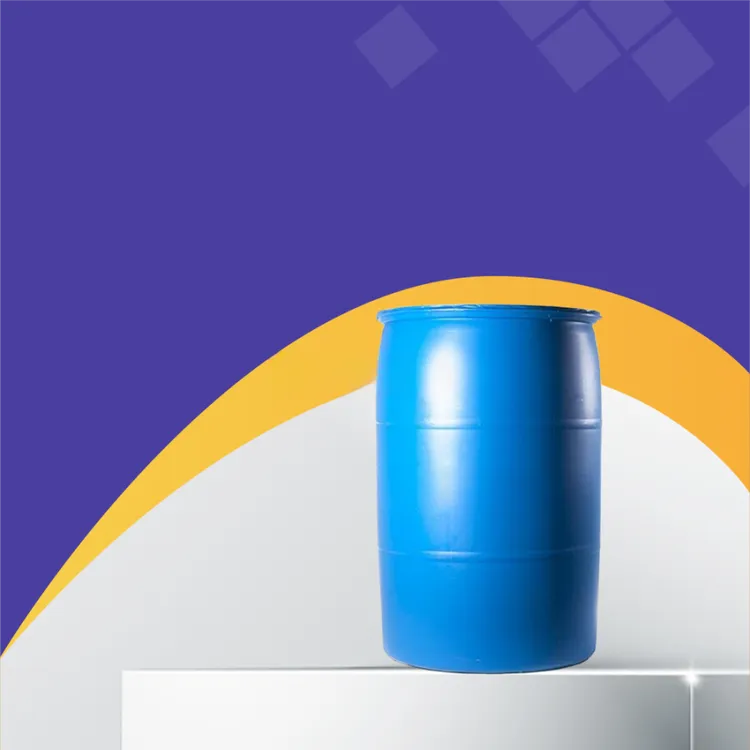
Strategic Sourcing of Lauryl Glucoside: A B2B Imperative
In the burgeoning market for sustainable and high-performance surfactants, lauryl glucoside for sale stands out as a critical raw material for a diverse range of industries. As a non-ionic surfactant derived from renewable resources, its exceptional mildness, biodegradability, and versatile functional properties make it indispensable for formulators aiming for eco-friendly and effective product lines. This comprehensive guide delves into the technical aspects, market dynamics, and strategic considerations for B2B buyers and engineers seeking to optimize their procurement of Lauryl Glucoside (CAS # 68515-73-1 & 110615-47-9).
Understanding the intricate details from manufacturing processes to application benefits is paramount for informed decision-making in a competitive global supply chain. Our focus here is to provide an authoritative resource, detailing the product's journey from raw material to a vital component in countless consumer and industrial formulations.
Industry Trends and Market Dynamics for Green Surfactants
The global surfactant market is experiencing a significant shift towards bio-based and biodegradable alternatives, driven by increasing consumer awareness, stringent environmental regulations, and corporate sustainability mandates. Lauryl Glucoside, alongside other alkyl polyglucosides (APGs), is at the forefront of this green chemistry revolution. Projections indicate a compound annual growth rate (CAGR) for the global green surfactants market exceeding 5% through 2028, with APGs showing even higher growth rates in specific segments. This surge is directly impacting the demand for lauryl glucoside for sale.
Key drivers include the burgeoning personal care sector, particularly in baby care, sensitive skin formulations, and natural cosmetics, where its mildness is highly valued. Furthermore, the home care and industrial cleaning sectors are increasingly adopting Lauryl Glucoside to formulate products that are effective yet environmentally benign, reducing reliance on conventional petroleum-derived surfactants like certain sulfates or ethoxylates, such as the widely recognized `sodium lauryl glucose` derivatives, which sometimes face scrutiny for their environmental profile or skin irritation potential. The sustained interest in `lauryl glucoside` underscores its pivotal role in future sustainable product development.
Technical Specifications and Chemical Profile
Lauryl Glucoside is a non-ionic surfactant characterized by its unique chemical structure: a sugar (glucose) portion combined with a fatty alcohol (lauryl alcohol). This combination imparts exceptional surface-active properties while maintaining a high degree of biodegradability and mildness. The specific CAS numbers are 68515-73-1 and 110615-47-9, which denote slightly different compositions or manufacturing origins of alkyl polyglucosides, but both refer to the essential Lauryl Glucoside compound.
Understanding the precise technical parameters is crucial for formulators to ensure product performance and compatibility. Below is a typical specification table for high-quality lauryl glucoside for sale:
Typical Product Specifications: Lauryl Glucoside
| Parameter | Value/Range | Testing Method |
|---|---|---|
| Appearance | Clear to slightly hazy viscous liquid | Visual |
| Active Matter (wt%) | 50.0 - 52.0 | Ph. Eur. / USP |
| pH (10% aqueous solution) | 11.5 - 12.5 | ASTM E70 |
| Free Fatty Alcohol (wt%) | < 1.0 | GC |
| Viscosity (mPa·s, 25°C) | 1000 - 3000 | Brookfield LVT |
| Color (Gardner) | < 3 | ASTM D1544 |
| Heavy Metals (ppm) | < 10 | ICP-MS |
| Biodegradability | Readily Biodegradable (OECD 301F) | OECD Guidelines |
These parameters are critical for quality control, ensuring that the `lauryl glucoside` meets the exacting requirements of various formulation processes, whether in high-volume industrial production or specialized cosmetic applications.
Manufacturing Process Flow for Lauryl Glucoside
The production of Lauryl Glucoside is a sophisticated chemical process that ensures high purity and consistent quality. It primarily involves the direct glycosidation of fatty alcohols with glucose, a process that relies on careful control of reaction conditions and catalysts.
Key Steps in Lauryl Glucoside Synthesis:
-
Raw Material Sourcing & Preparation:
- Glucose (dextrose monohydrate): Typically derived from corn, wheat, or other starch-rich agricultural products.
- Lauryl Alcohol (C12): Sourced from natural oils such as palm kernel oil or coconut oil, ensuring a renewable origin. This material undergoes purification to achieve the desired chain length and purity.
-
Glycosidation Reaction:
- Lauryl alcohol reacts with glucose in the presence of an acid catalyst (e.g., sulfuric acid, p-toluenesulfonic acid). This process involves the elimination of water molecules to form the glycosidic bond.
- The reaction is typically carried out at elevated temperatures (100-140°C) and carefully controlled pressure within specialized reactors, often featuring robust materials suitable for corrosive environments, akin to those found in petrochemical processing.
-
Neutralization & Filtration:
- Post-reaction, the acidic mixture is neutralized using a suitable base (e.g., sodium hydroxide) to achieve the target pH, crucial for product stability and safety.
- The neutralized product then undergoes filtration to remove any unreacted catalysts, by-products, or insoluble impurities, often employing precision filtration systems similar to those used in high-purity chemical manufacturing.
-
Bleaching & Purification:
- To achieve a clear, light-colored product, bleaching agents (e.g., hydrogen peroxide) may be used, followed by further purification steps like activated carbon treatment to remove residual color and odor.
-
Concentration & Standardization:
- The purified solution is concentrated to the desired active matter content through vacuum evaporation.
- Finally, the product is standardized, often with water, to meet precise commercial specifications for lauryl glucoside for sale, ensuring consistent performance for end-users.
Quality Control and Testing Standards:
Throughout the entire process, rigorous quality control measures are implemented. This includes in-process testing and final product analysis adhering to international standards such as ISO (International Organization for Standardization) for quality management systems (e.g., ISO 9001) and specific analytical methods (e.g., Ph. Eur., USP, ASTM) for purity, active matter, pH, and other critical parameters. These stringent standards ensure the reliability and safety of the `lauryl glucoside` for various applications. The equipment used in these processes, including reactors, heat exchangers, and pumps, are typically specified for their robust corrosion resistance and high-temperature performance, reflecting standards similar to those in the chemical processing and metallurgy industries.
Technical Advantages in B2B Applications
The appeal of lauryl glucoside for sale in B2B markets stems from its multifaceted technical advantages, making it a superior choice over many conventional surfactants.
- Exceptional Mildness: Unlike many anionic surfactants (e.g., SLS, SLES) that can cause skin and eye irritation, Lauryl Glucoside is renowned for its ultra-mild character. This makes it ideal for sensitive skin formulations, baby care products, and hypoallergenic lines, enhancing product safety and consumer appeal.
- Excellent Foaming & Cleansing: Despite its mildness, it generates a stable, fine-pored foam, contributing to effective cleansing and a luxurious sensory experience in personal care products. In industrial applications, it aids in soil dispersion and emulsification.
- Green Chemistry Profile: As a 100% renewable and readily biodegradable ingredient (per OECD 301F guidelines), Lauryl Glucoside significantly reduces the environmental footprint of end-products. This aligns with global sustainability goals and regulatory pressures for eco-friendly chemical sourcing.
- Versatile Formulation Agent: It exhibits good compatibility with various surfactant types (anionic, cationic, amphoteric), allowing for complex formulations with synergistic effects. It acts as a hydrotrope, solubilizer, and emulsifier, improving the stability and clarity of formulations. It can reduce the irritation potential of other surfactants, such as in blends with `sodium lauryl glucose` derivatives, offering a balanced performance.
- Hard Water Tolerance & Electrolyte Stability: Lauryl Glucoside maintains its performance even in hard water conditions and exhibits good stability in the presence of electrolytes, ensuring consistent efficacy across diverse geographical and formulation challenges.
- pH Stability: It remains stable over a broad pH range, allowing for its use in both acidic and alkaline formulations without degradation of performance.
These advantages collectively position `lauryl glucoside` as a premium ingredient for manufacturers prioritizing both performance and environmental responsibility.
Application Scenarios and Target Industries
The versatility of lauryl glucoside for sale translates into widespread application across numerous industries. Its unique properties make it suitable for formulations where mildness, eco-friendliness, and effective cleansing are paramount.
-
Personal Care: This is the largest segment for `lauryl glucoside`.
- Shampoos and Conditioners: Provides gentle cleansing, good foam, and improves hair feel.
- Body Washes and Shower Gels: Offers a mild, rich lather, suitable for sensitive skin.
- Facial Cleansers and Micellar Waters: Cleanses without stripping natural oils, ideal for delicate facial skin.
- Baby Products: Its extreme mildness makes it a preferred choice for baby shampoos, washes, and lotions.
- Liquid Soaps and Hand Washes: Delivers effective hygiene with skin compatibility.
-
Home Care: Contributing to sustainable household cleaning solutions.
- Dishwashing Liquids: Aids in grease cutting and foaming while being gentler on hands.
- Laundry Detergents: Acts as a booster for cleaning efficacy, particularly for delicate fabrics.
- Surface Cleaners: Effective on various surfaces, offering good detergency.
-
Industrial & Institutional (I&I) Cleaning: For specialized, environmentally conscious cleaning.
- Green Cleaning Formulations: Used in certified eco-friendly products for commercial and institutional use.
- Vehicle Wash Formulations: Provides effective cleaning without damaging surfaces or harming the environment.
-
Agricultural Applications: As an adjuvant or wetting agent.
- Pesticide Formulations: Improves the spreading and penetration of active ingredients.
- Fertilizer Additives: Enhances nutrient delivery to plants.
The broad applicability underscores the commercial value of `lauryl glucoside` across diverse segments, driving consistent demand for high-quality lauryl glucoside for sale.
Vendor Comparison for Lauryl Glucoside Sourcing
Selecting the right supplier for lauryl glucoside for sale is a strategic decision that impacts product quality, supply chain reliability, and ultimately, market competitiveness. While many suppliers offer Lauryl Glucoside, significant differences exist in product purity, consistency, certifications, and service offerings.
Key Factors for Vendor Evaluation:
- Product Purity and Consistency: Adherence to specifications (e.g., active matter, pH, color, free fatty alcohol content).
- Certifications: ISO 9001 (quality management), ISO 14001 (environmental management), GMP (Good Manufacturing Practices) for cosmetic ingredients, RSPO (Roundtable on Sustainable Palm Oil) for sustainable raw material sourcing.
- Supply Chain Reliability: Lead times, inventory management, ability to handle varying order volumes.
- Technical Support: Formulation guidance, troubleshooting, data sheets, and regulatory support.
- Sustainability Credentials: Transparency in raw material sourcing, energy efficiency in manufacturing, waste management.
- Cost-Effectiveness: Competitive pricing without compromising quality.
Comparative Analysis of Lauryl Glucoside Suppliers (Illustrative Example):
| Feature | Supplier A (Premium) | Supplier B (Standard) | Supplier C (Emerging) |
|---|---|---|---|
| Active Matter (wt%) | 51.0 ± 0.5 | 50.0 ± 1.0 | 49.0 - 52.0 |
| pH (10% soln) | 12.0 ± 0.2 | 11.8 ± 0.5 | 11.5 - 12.5 |
| Certifications | ISO 9001, GMP, RSPO Mass Balance | ISO 9001, Basic GMP | ISO 9001 (Pending GMP) |
| Lead Time (avg.) | 2-3 weeks | 3-5 weeks | 4-6 weeks |
| Technical Support | Extensive, dedicated formulator support | Standard data sheets & general advice | Limited, primarily sales-driven |
| Customization | High (blends, specific concentrations) | Moderate (pack sizes, minor adjustments) | Low (standard product only) |
This comparison highlights that while the core product, `lauryl glucoside`, may appear similar, the value proposition from each vendor can vary significantly. B2B buyers should carefully weigh these factors against their specific project requirements and long-term supply chain strategies. Partnering with suppliers who demonstrate strong commitment to quality and technical support, especially when procuring lauryl glucoside for sale, can lead to greater formulation success and market advantage.
Customized Solutions and Formulation Support
Recognizing that every B2B client has unique formulation challenges and market demands, leading suppliers of lauryl glucoside for sale often provide comprehensive customized solutions and technical support. This goes beyond merely supplying a commodity chemical; it involves becoming a strategic partner in product development.
- Tailored Concentrations and Blends: Manufacturers may require Lauryl Glucoside at specific active matter concentrations or as part of pre-blended surfactant systems optimized for particular applications (e.g., a specific ratio with `sodium lauryl glucose` for enhanced performance or mildness). Suppliers can customize these to reduce customer formulation time and complexity.
- Application-Specific Formulations: Providing guidance on how to best incorporate `lauryl glucoside` into various product types – from developing low-irritation baby shampoos to robust industrial degreasers. This includes advice on rheology modification, foam control, preservation, and active ingredient compatibility.
- Regulatory Compliance Assistance: Navigating complex global regulations (e.g., REACH, FDA, EU Cosmetics Regulation) can be challenging. Expert suppliers offer documentation, safety data sheets (SDS), and regulatory insights to ensure client products meet all necessary compliance requirements.
- Performance Optimization: Collaborating with client R&D teams to optimize product performance, such as enhancing foaming characteristics, improving stability, or achieving specific sensory profiles. This often involves laboratory trials and custom analytical support.
Such bespoke services ensure that clients not only receive a high-quality ingredient but also leverage the supplier's deep technical expertise to accelerate their product development cycle and gain a competitive edge in their respective markets.
Application Case Studies and Customer Feedback
The practical success of `lauryl glucoside` is best illustrated through real-world application case studies and direct customer feedback. These examples highlight the tangible benefits of incorporating high-quality lauryl glucoside for sale into various products.
Case Study 1: Premium Baby Care Line
A leading international baby care brand sought to reformulate its entire product line to meet stricter "clean label" and hypoallergenic standards. Their primary challenge was to replace traditional sulfate-based surfactants with an equally effective yet significantly milder alternative. After extensive R&D, they opted for `lauryl glucoside` as the primary cleansing agent.
- Challenge: Achieve ultra-mild, tear-free, and highly biodegradable formulations without compromising cleansing efficacy or foam quality.
- Solution: Incorporated lauryl glucoside for sale at 10-15% active concentration, often synergistically blended with coco-glucoside for optimal foam texture and stability.
- Result: Launched a new line of baby shampoos, body washes, and lotions that received overwhelmingly positive consumer feedback for their gentleness and non-irritating properties. Market share increased by 8% in the sensitive skin segment within the first year, demonstrating the value of `lauryl glucoside` in premium, specialized applications.
Case Study 2: Eco-Friendly Industrial Degreaser
An industrial cleaning chemical manufacturer aimed to develop a high-performance degreaser that was also environmentally responsible, targeting automotive and machinery maintenance sectors. Traditional formulations were effective but often contained harsh, petroleum-derived solvents and surfactants.
- Challenge: Create a powerful degreaser with superior emulsification properties for heavy oils and greases, while ensuring excellent biodegradability and user safety.
- Solution: Utilized a blend of `lauryl glucoside` and fatty alcohol ethoxylates. The `lauryl glucoside` contributed to the primary detergency, boosted foam stability, and provided excellent wetting properties, enabling efficient penetration and removal of stubborn residues.
- Result: The new degreaser achieved comparable performance to conventional products but with significantly improved environmental and safety profiles. The product received an eco-label certification, opening doors to new markets and fulfilling corporate sustainability objectives. Customer feedback consistently highlighted its effective cleaning power combined with reduced skin irritation for maintenance personnel.
Customer Testimonial:
"Partnering with a reliable supplier for lauryl glucoside for sale has been transformative for our natural cosmetics line. The consistent purity and excellent technical support we receive allowed us to quickly innovate and meet the surging demand for truly green products. Our formulators appreciate its versatility and the superior feel it imparts to our facial washes."
Quality Assurance, Certifications, and Authoritative References
For B2B buyers, the assurance of quality, safety, and ethical sourcing is paramount when selecting lauryl glucoside for sale. Authoritative certifications and adherence to global standards are key indicators of a reputable supplier.
- ISO 9001:2015 Certification: This internationally recognized standard for quality management systems ensures that production processes are consistently monitored and improved, leading to reliable product quality.
- Good Manufacturing Practices (GMP): Particularly for personal care and cosmetic ingredients, adherence to GMP guidelines (e.g., ISO 22716 for Cosmetics) signifies strict quality control throughout the manufacturing, testing, and packaging phases.
- REACH Compliance: For European markets, all `lauryl glucoside` products must be registered under REACH (Registration, Evaluation, Authorisation and Restriction of Chemicals), demonstrating comprehensive safety data and risk assessment.
- FDA Compliance (where applicable): For ingredients used in food-contact materials or pharmaceutical excipients, compliance with FDA regulations provides critical assurance.
- Ecocert, COSMOS, and NPA Certifications: For clients developing natural and organic products, certifications from bodies like Ecocert, COSMOS, and the Natural Products Association (NPA) confirm the natural origin and ecological processing of `lauryl glucoside`.
- RSPO (Roundtable on Sustainable Palm Oil) Membership: For products derived from palm kernel oil, RSPO certification (e.g., Mass Balance or Segregated) indicates a commitment to sustainable palm oil production, addressing environmental and social concerns.
Suppliers with a long-standing history (e.g., over 15 years in chemical manufacturing) and a portfolio of partner clients spanning diverse industries (e.g., global cosmetic brands, specialty chemical manufacturers) further establish their authority and trustworthiness in providing lauryl glucoside for sale. Regular third-party audits and publicly available certification documents reinforce this commitment to excellence.
Ensuring Trustworthiness: FAQ, Logistics, and Support
Frequently Asked Questions (FAQ) about Lauryl Glucoside
A: Yes, `lauryl glucoside` is renowned for its exceptional mildness, making it highly suitable for sensitive skin, baby products, and hypoallergenic formulations. Its low irritation potential is a primary advantage over many conventional surfactants.
Q: What is the shelf life of `lauryl glucoside`?A: Typically, the shelf life is 24 months from the date of manufacture when stored in original unopened container111s at recommended temperatures (usually 10-30°C) and protected from direct sunlight and freezing.
Q: Can `lauryl glucoside` be used in organic certified products?A: Yes, as a naturally derived ingredient from renewable resources, `lauryl glucoside` is often approved by organic certification bodies like Ecocert and COSMOS, provided the entire product formulation adheres to their standards.
Q: How does `lauryl glucoside` compare to `sodium lauryl glucose`?A: While both are surfactants, `sodium lauryl glucose` is not a standard chemical name; it usually refers to sodium lauryl sulfate (SLS) or sodium laureth sulfate (SLES) when the "glucose" is a typo, or less commonly, a theoretical derivative. If it refers to alkyl polyglucosides like `lauryl glucoside`, the key difference is that APGs (like Lauryl Glucoside) are non-ionic, generally milder, and derived from sugars, while SLS/SLES are anionic and petroleum-derived (though bio-based versions exist), known for strong foaming but also potential for irritation. `Lauryl glucoside` is preferred for its green profile and mildness.
Lead Time and Fulfillment Details
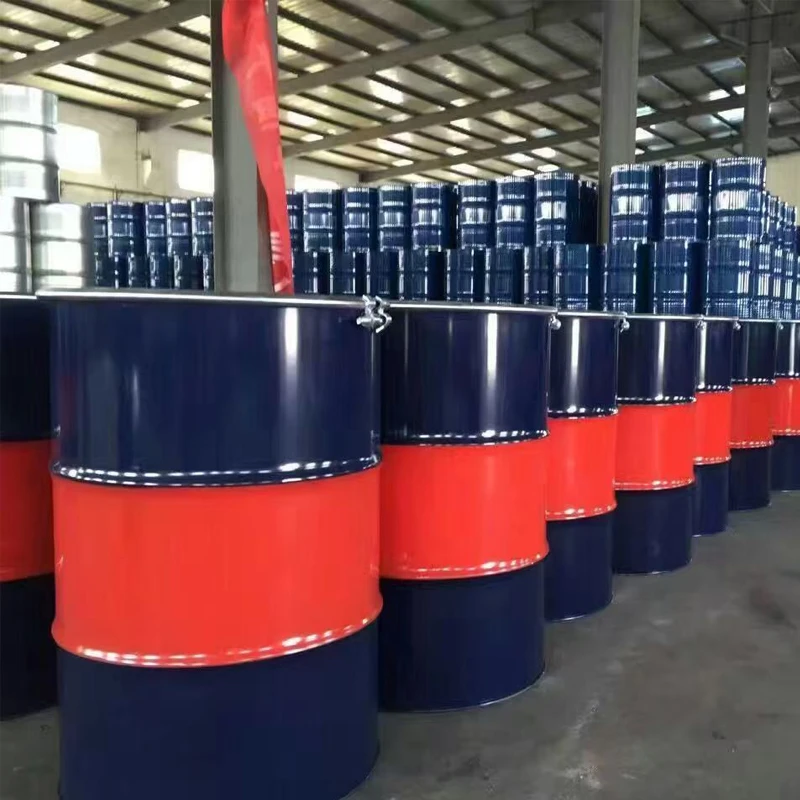
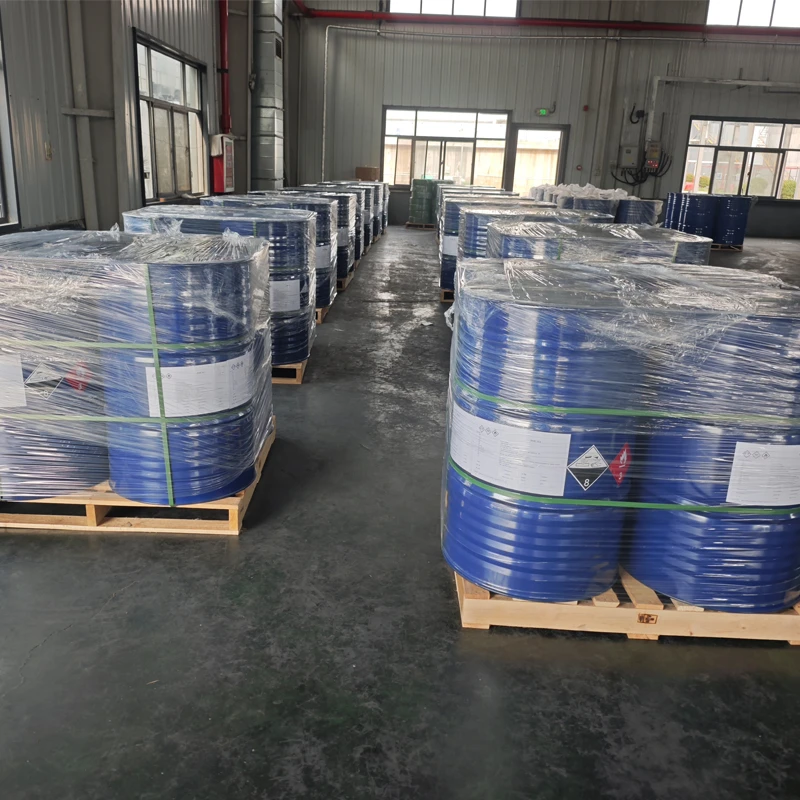
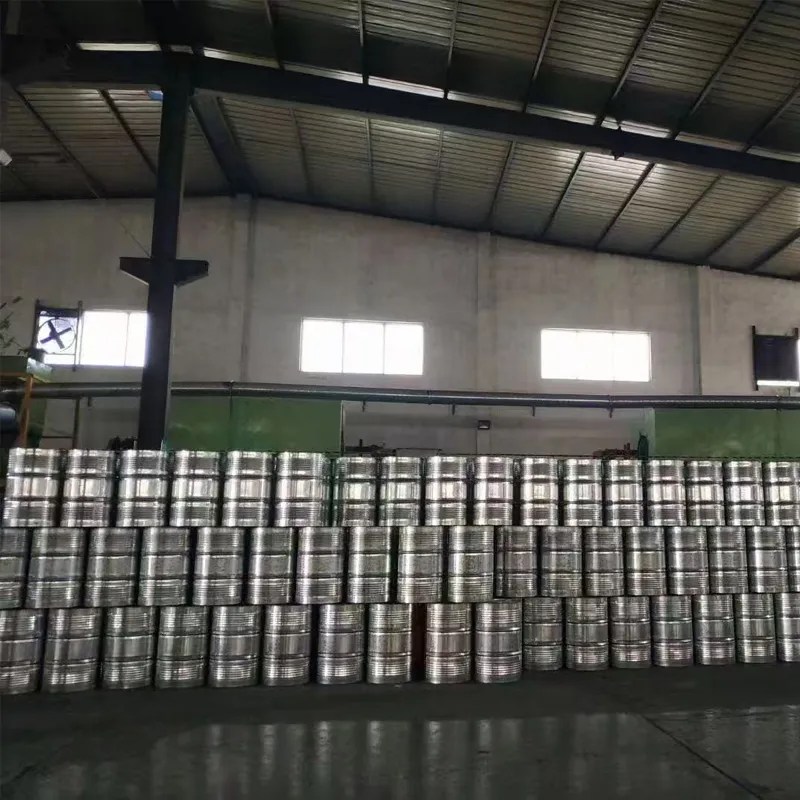
We understand the critical importance of timely delivery for B2B operations. Our standard lead time for lauryl glucoside for sale ranges from 2-4 weeks for typical order volumes, depending on current inventory levels and shipping destination. Expedited options are available for urgent requirements. We manage a robust global logistics network to ensure efficient and reliable fulfillment, with options for bulk container111s (e.g., IBCs, drums) or smaller customized packaging. Real-time order tracking and dedicated logistics support are provided to all clients.
Warranty Commitments
We stand by the quality of our `lauryl glucoside` products. All shipments are guaranteed to meet the agreed-upon technical specifications (Certificate of Analysis provided with each batch). In the unlikely event of a product not meeting specifications upon delivery, clients are entitled to a full replacement or refund, subject to our standard terms and conditions and verified quality control procedures. Our commitment extends to providing comprehensive documentation and support for any quality-related inquiries.
Dedicated Customer Support
Our dedicated customer support team is available to assist with all inquiries, from technical specifications and formulation advice to order placement and logistics. We offer multi-channel support via phone, email, and dedicated account managers, ensuring prompt and expert assistance. Our technical specialists are prepared to provide in-depth guidance for integrating `lauryl glucoside` into new or existing formulations, cementing our role as a trusted partner for lauryl glucoside for sale.
Conclusion: The Strategic Value of Lauryl Glucoside
As industries pivot towards more sustainable, safer, and higher-performing chemical solutions, the strategic importance of `lauryl glucoside` continues to grow. Its unique blend of mildness, biodegradability, and versatile functionality positions it as a premier ingredient for innovators in personal care, home care, and specialty industrial applications. For B2B decision-makers and technical buyers, understanding the comprehensive landscape of `lauryl glucoside` – from its detailed manufacturing process and stringent quality controls to its diverse application benefits and robust supplier support – is essential for optimizing procurement strategies.
Choosing a reliable supplier committed to quality, sustainability, and technical partnership is key to leveraging the full potential of lauryl glucoside for sale and driving success in an increasingly conscious marketplace.
References
- OECD Guidelines for the Testing of Chemicals, Section 3, Degradation and Accumulation. Available at: oecd-ilibrary.org
- European Commission. Regulation (EC) No 1223/2009 on Cosmetic Products. Available at: eur-lex.europa.eu
- International Organization for Standardization (ISO). ISO 9001:2015 Quality management systems – Requirements. Available at: iso.org
- Roundtable on Sustainable Palm Oil (RSPO). Principles and Criteria for the Production of Sustainable Palm Oil. Available at: rspo.org
- Schmitt, W. (2001). Alkyl Polyglycosides: From Renewable Resources to Ecologically Advanced Surfactants. Carl Hanser Verlag.