A Buyer’s Guide to ceftezole sodium: specs, sourcing, and real-world use
Every quarter I talk to formulators and purchasers who are, frankly, tired of juggling inconsistent API quality and surprise lead times. For injectable cephalosporins, Ceftezole Sodium comes up often—precisely because it’s stable, highly water‑soluble, and effective against Gram‑positives with selective Gram‑negative coverage. The industry trend is clear: tighter pharmacopoeial compliance, cleaner impurity profiles, and documentation that actually answers auditors’ questions.
Manufactured at scale in northern China’s pharma corridor (origin: 80 Hainan Road, Shijiazhuang Economic and Technological Development Area), Ceftezole Sodium is positioned for hospital generics and research-grade kits alike. And yes, many customers say batch‑to‑batch reproducibility has become a deciding factor more than headline price. I get it.
What it is and where it’s going
Ceftezole Sodium is the sodium salt of a first‑generation cephalosporin used mainly in injectable formulations. Mechanism-wise, it inhibits bacterial cell wall synthesis—so you get rapid bactericidal action. In practice: respiratory, urinary, skin/soft tissue, and post‑op infections in markets where it’s registered. The trend? More sterile‑grade API options, cleaner residual solvent data, and stronger endotoxin controls to reduce downstream risk.
Product specifications (typical)
| Product | Ceftezole Sodium |
| CAS No. | 72558-82-8 |
| Appearance | White to off‑white crystalline powder |
| Assay (HPLC) | ≥ 98.0% (typical lot ≈ 98.5%) |
| Water solubility | Freely soluble in water |
| pH (1% solution) | ≈ 4.5–6.5 |
| Endotoxin (sterile‑grade) | ≤ 0.25 EU/mg (real‑world use may vary) |
| Storage | 2–8°C, dry, protected from light |
| Shelf life | 24 months unopened; retest date on COA |
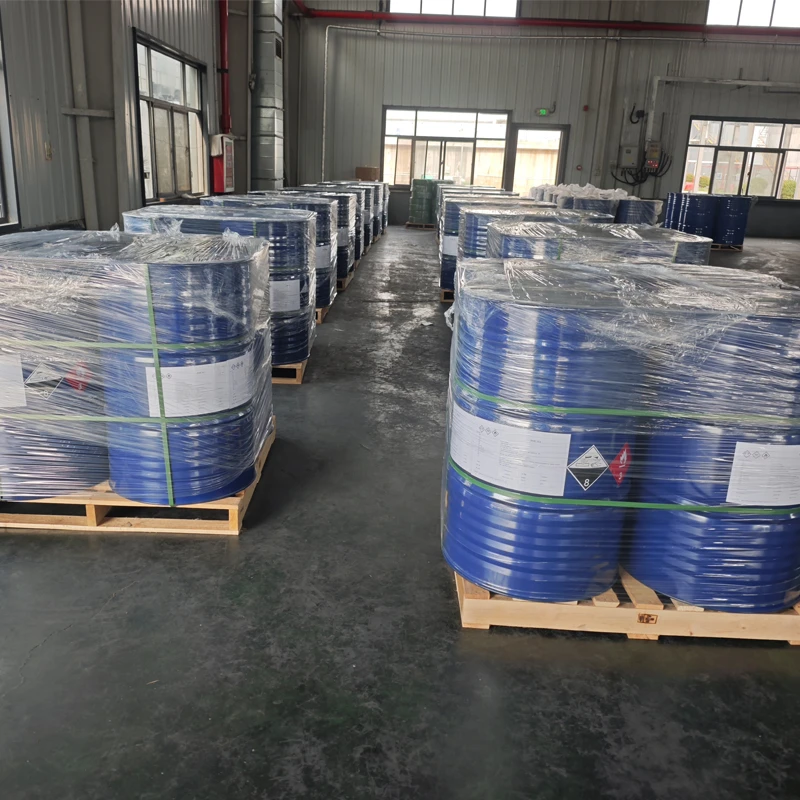
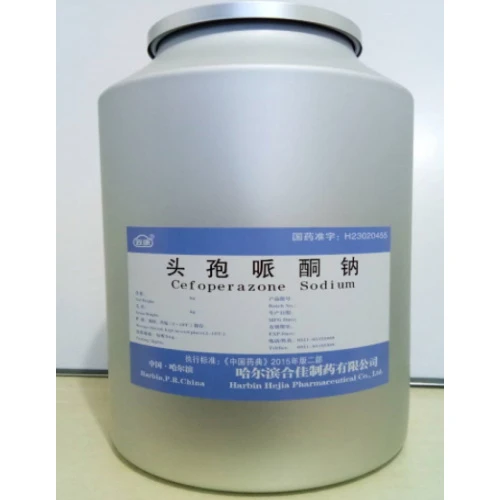
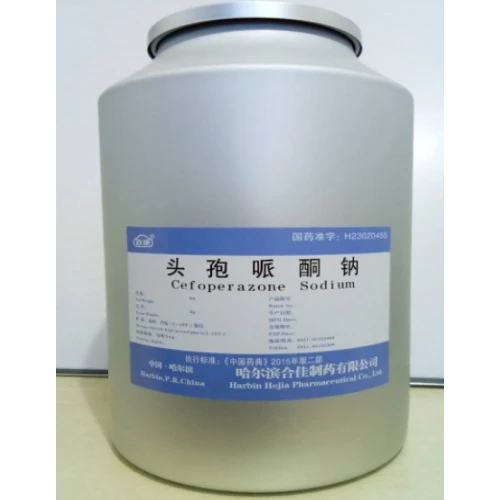
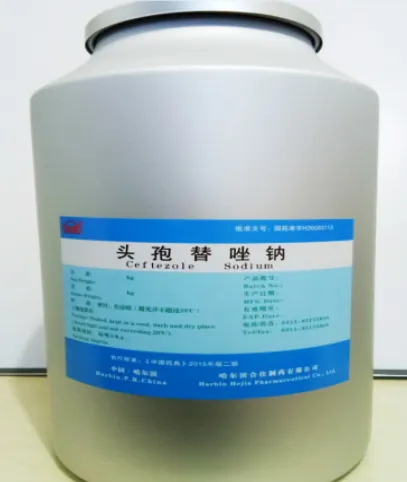
| Packaging | 1–5 kg alu‑foil bags in nitrogen‑flushed drums |
Process flow and quality controls
Ceftezole Sodium production typically follows: nucleus derivatization → sodium salt formation → crystallization → filtration/wash → vacuum drying → milling/micronization → (optional) aseptic handling for sterile‑grade → QA/QC release.
Materials and methods: controlled synthesis with validated solvents, in‑process HPLC for related substances, IR/UV ID tests, residual solvent checks (GC), water (KF), particle size (laser diffraction), and, for sterile grade, sterility (Ph. Eur. 2.6.1 / USP ) and endotoxin (Ph. Eur. 2.6.14 / USP ). Service life ties back to validated stability at 2–8°C with photoprotection.
Industries: hospital generics, CMOs, national tender suppliers, and research outfits validating Gram‑positive panels. To be honest, the strongest feedback I hear is about low rework rates in sterile compounding when endotoxin is kept predictably low.
Applications and advantages
- Injectable antibiotic manufacturing (bulk API to finished dosage forms)
- R&D susceptibility testing; literature‑reported MIC vs S. aureus often ≈ 0.5–2 μg/mL, organism- and method‑dependent
- Post‑operative infection risk management in markets where registered
Advantages: dependable water solubility, fast bactericidal action, and compatibility with standard cephalosporin excipient systems. Also, documentation packages that match auditor checklists—surprisingly rare in 2025.
Vendor comparison (indicative)
| Vendor | Strengths | Limitations |
|---|---|---|
| Hejia Chemical Tech (Origin: 80 Hainan Road, Shijiazhuang) | GMP‑aligned site, ISO 9001, sterile‑grade option, COA + MSDS + TSE/BSE + allergen statements; batch sizes up to ≈ 200 kg; predictable lead times | MOQs may apply for micronized/sterile lots |
| Regional Broker | Flexible small lots; quick spot availability | Variable provenance; inconsistent impurity/endotoxin data |
| Small Lab Supplier | High documentation responsiveness | Limited capacity; longer scale‑up timelines |
Customization and documentation
- Micronization targets (e.g., D90 ≈ 20–40 μm) for formulation flow
- Sterile‑grade API with validated aseptic handling
- Packaging: light‑resistant, nitrogen‑flushed drums; custom labels for tenders
- Documentation: COA, MSDS, stability summary, elemental impurities (ICH Q3D), residual solvents (ICH Q3C), and DMF support upon request
Case notes from the field
Case A (CMO, EMEA): switching to Ceftezole Sodium with tighter endotoxin control reduced sterile filtration hold‑time deviations by ≈ 30% across three campaigns. Not glamorous, but it saved overtime.
Case B (Hospital supplier, APAC): standardized particle size cut the reconstitution time variance, leading to smoother batch release—QA loved the cleaner out‑of‑trend charts.
Standards and testing references
- GMP for APIs: ICH Q7; Quality risk management: ICH Q9
- Sterility tests: USP <71> / Ph. Eur. 2.6.1; Bacterial endotoxins: USP <85> / Ph. Eur. 2.6.14
- Antimicrobial susceptibility methods: CLSI M07/M100 (for lab method context)
- Elemental impurities: ICH Q3D; Residual solvents: ICH Q3C
- Quality systems: ISO 9001
Caution: Availability, registrations, and labeling differ by market. This article is for technical sourcing guidance, not medical use or dosing advice.
Authoritative citations
- ICH Q7. Good Manufacturing Practice for Active Pharmaceutical Ingredients. https://www.ich.org
- USP <71> Sterility Tests; USP <85> Bacterial Endotoxins Test. https://www.usp.org
- Ph. Eur. 2.6.1 and 2.6.14. European Pharmacopoeia. https://www.edqm.eu
- CLSI M100: Performance Standards for Antimicrobial Susceptibility Testing. https://clsi.org
- ICH Q3C/Q3D. Residual Solvents and Elemental Impurities. https://www.ich.org
- ISO 9001:2015 Quality Management Systems. https://www.iso.org