Hegrecat MC115 is a potassium-octoate solution in diethylene glycol for polyurethane production. Choose it when your process needs a balanced catalytic effect across rigid foam, flexible foam, coatings, adhesives, or elastomers, with enough processing time for material handling and timely curing. This guide connects each application to the product’s role and the checks to make before requesting a quote.

Start with the polyurethane process
Hegrecat MC115 is a solution of potassium-octoate in diethylene glycol. Its function is to promote the isocyanate reaction in polyurethane systems. The first purchasing question is therefore process-based: does your formulation need a catalyst that balances reaction rate with the time required to process the materials?
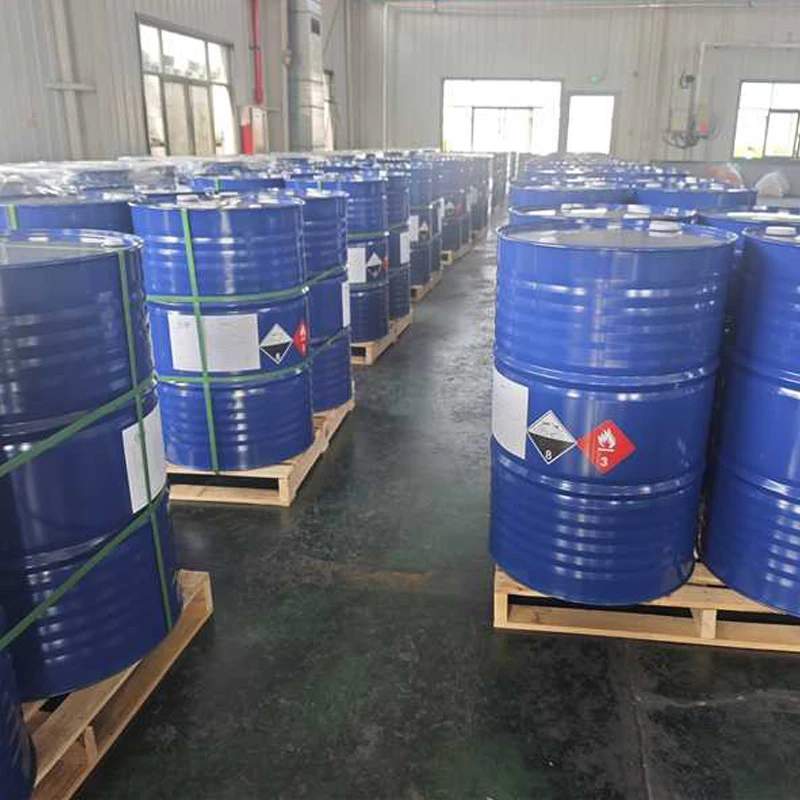
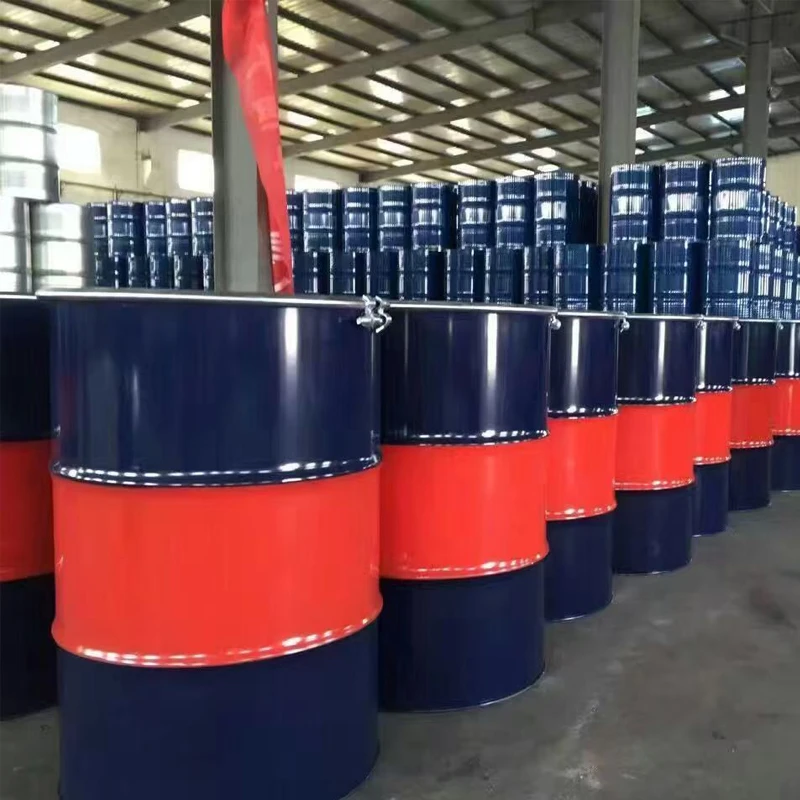
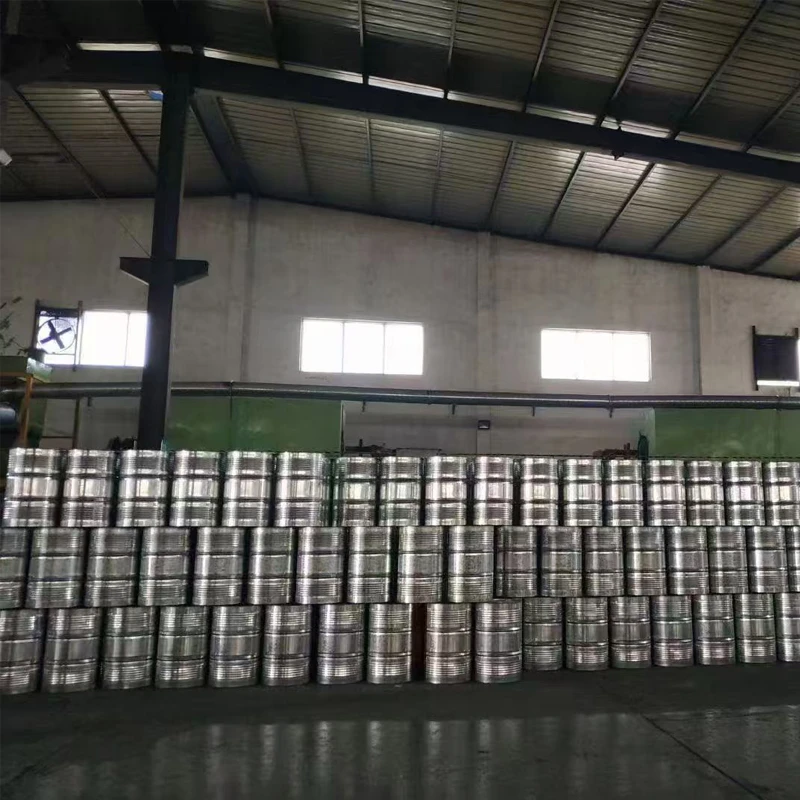
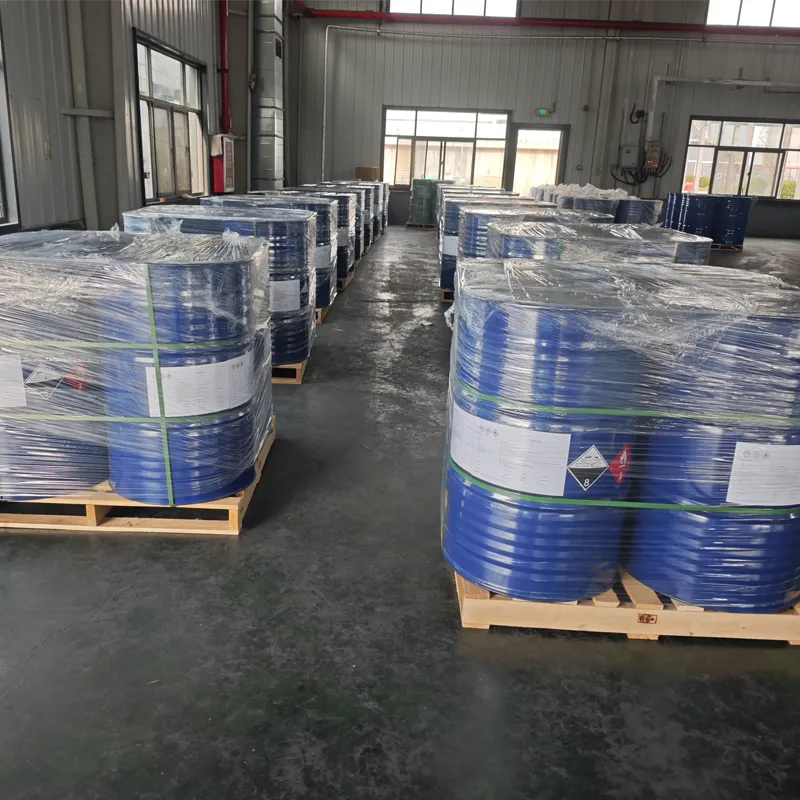
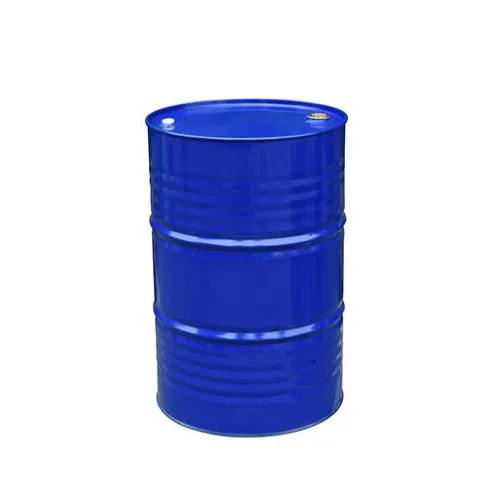
We supply MC115 as a colorless to pale yellow liquid in a drum. Those details give receiving teams a clear incoming-product check and help match the package to the plant’s liquid-material handling plan.
Match MC115 to the finished product
Rigid polyurethane foam is a strong fit when the target is insulation. In building insulation panels, MC115 supports closed-cell structure formation. The resulting foam has low thermal conductivity, high compressive strength, and good dimensional stability. These properties suit panels where thermal insulation and shape retention are part of the product requirement.
The rigid-foam use also covers refrigerators and industrial cold-storage facilities. Choose MC115 for these projects when the foam system needs thermal insulation within an appliance or cold-storage structure. The relevant check is whether your formulation and production method can use the catalyst’s influence on cell formation and curing.
Flexible polyurethane foam suits applications such as furniture upholstery and automotive seating. MC115 contributes to a more uniform cell structure and supports resilience. That makes it relevant to foam products exposed to repeated use, where maintaining shape and comfort matters.
MC115 also fits polyurethane coatings and adhesives. In coatings, it accelerates curing and reduces drying time, which can help finished parts move through production sooner. In adhesives, it promotes bonding between metal, plastic, or wood substrates. Choose this route when the purchasing decision centers on polyurethane coating cure or adhesive bonding across those substrate types.
Polyurethane elastomers form another application group. MC115 can influence cross-linking and mechanical properties in products such as wheels, rollers, seals, and gaskets. This application suits manufacturers developing elastomer parts where abrasion resistance, tensile strength, and flexibility are required properties of the finished material.
Specification checks before selection
Chemistry comes first. MC115 combines potassium-octoate with diethylene glycol, and that combination provides its catalytic effect. Compare the composition with the catalyst role required by your polyurethane system before placing an order.
Reaction behavior is the second check. MC115 provides a suitable reaction rate, giving manufacturers time to process materials while supporting timely curing. This balance matters when mixing, pouring, foaming, coating, or bonding must be completed before the formulation cures.
Cell formation matters most in foam production. MC115 helps control the cell-formation process and contributes to a more uniform cell structure. For rigid foam, review the target closed-cell structure. For flexible foam, review the required uniformity and resilience. Selection should follow the finished foam requirement and the intended use.
For coatings and adhesives, compare the required cure behavior with the intended production sequence. For elastomers, connect the catalyst choice to the desired cross-linking and mechanical-property profile. These checks keep the purchase decision tied to the material being made.
What to weigh
Your shortlist
Choose Hegrecat MC115 when your polyurethane process needs a potassium-octoate solution in diethylene glycol, a suitable reaction rate, and cell-formation control. Rigid foam buyers should focus on closed-cell insulation products; flexible foam buyers should focus on uniform cell structure and resilience. Coating, adhesive, and elastomer buyers should match the catalyst to curing, bonding, or cross-linking requirements.
Questions to settle before ordering
Which rigid-foam product should guide the selection?
Insulation panels, refrigerators, and industrial cold-storage facilities are the relevant rigid-foam settings. Use the panel requirement when the product must combine low thermal conductivity, high compressive strength, and dimensional stability. Use the appliance or cold-storage requirement when thermal insulation is the central function inside that structure. This distinction helps your formulation team connect MC115 with the finished product’s service conditions.
What should a seating-foam buyer examine first?
Examine the required cell uniformity and resilience for the intended seating product. Furniture upholstery and automotive seating are the named flexible-foam uses. The purchase decision should connect the catalyst to repeated-use foam that must maintain its shape and provide comfort. Share the specific seating application with the formulation team so the cell-structure requirement is judged against the finished product.
When does the coating application make MC115 the better fit?
Choose the coating application when cure acceleration and reduced drying time matter to the production sequence. MC115 is used in polyurethane coatings for that purpose. The narrow check is where drying time affects the movement of finished parts through production. Compare that timing need with the formulation’s curing behavior before selecting the catalyst for a coating line.
Which substrate combinations fit the adhesive application?
The named substrate types are metal, plastic, and wood. MC115 suits polyurethane adhesive work when bonding involves these materials. Identify the actual pair or combination before ordering, then compare it with the adhesive’s required curing sequence. This check narrows the selection to the bonding job instead of treating every polyurethane adhesive formulation as the same application.
What should receiving staff check on arrival?
Receiving staff should check that the material arrives as a colorless to pale yellow liquid in a drum. Those are the product’s stated appearance and package form. The check is especially useful when the purchase is being added to a liquid polyurethane process, because the receiving record can match the shipment to the planned material form before production use.
Select by the material you make
Choose Hegrecat MC115 when your polyurethane process covers rigid or flexible foam, coatings, adhesives, or elastomers and needs its balanced catalytic effect. Match the potassium-octoate and diethylene glycol solution to the formulation, then send the intended application and the relevant foam, coating, adhesive, or elastomer details with your quote request.

About the author
The company
Hebei Hejia Pharmaceutical Technology Group Co., Ltd.
Hebei Hejia Pharmaceutical Technology Group Co., Ltd. (abbreviated as “Hejia Pharmaceutical”, stock code: 838641), established in 1999, is a national high-tech enterprise and an innovative market maker listed on the NEEQ Innovation Tier (National Equities Exchange and Quotations).…
About Us ↗Visit company website ↗