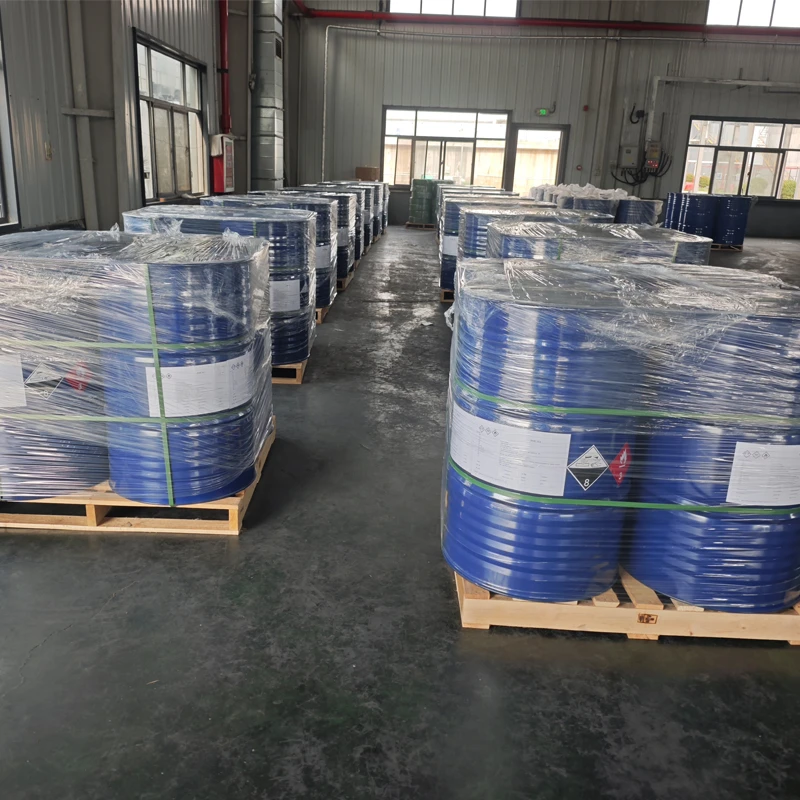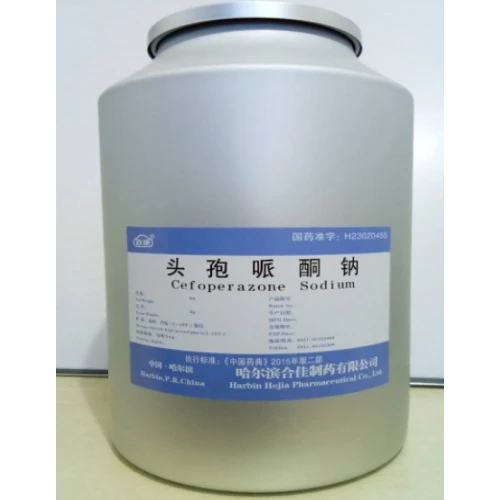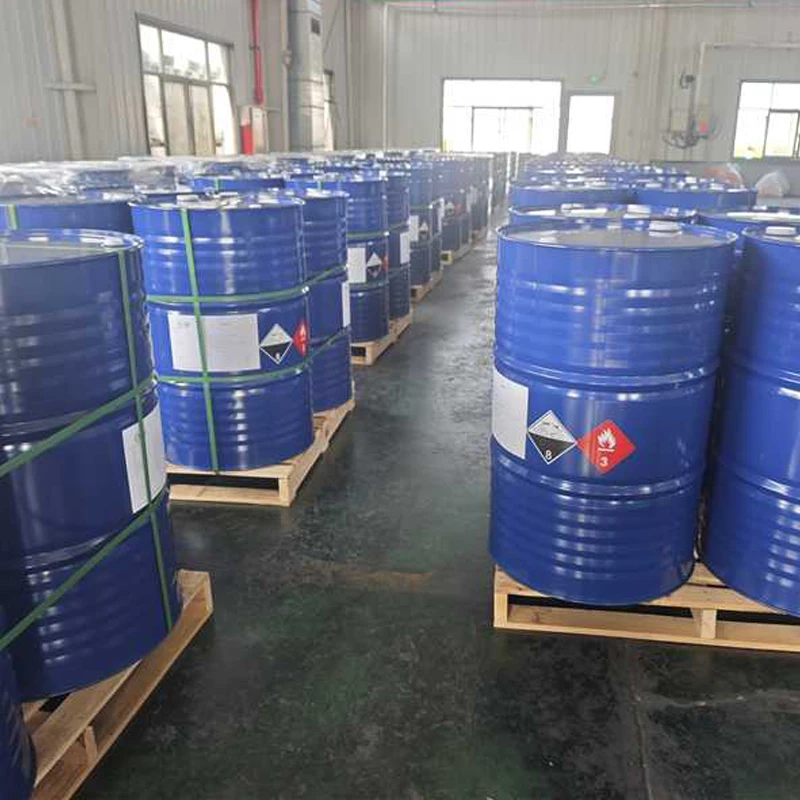
Understanding the Cosmetic Ingredients Shop: What It Means Globally
When you think of a cosmetic ingredients shop, it might just sound like a supplier of raw materials for your favorite creams, lotions, and serums. But honestly, it’s much more than that. In our increasingly beauty-conscious world, the role of these shops has grown into a global linchpin, connecting manufacturers, innovators, and consumers alike. The cosmetics industry, estimated at over $380 billion globally (Statista, 2023), relies heavily on reliable access to quality ingredients. That’s why understanding cosmetic ingredient suppliers isn’t just for chemists—it’s crucial for businesses aiming to craft safe, effective, and trendy products that resonate worldwide.
Why Does It Matter Globally?
From sustainable plant extracts to cutting-edge peptides, cosmetic ingredients shops are the unseen engines driving innovation. They help shape how products are created, ensuring safety standards and pushing toward greener, more ethical sourcing practices. But there’s a catch: sourcing high-quality, compliant ingredients can be a logistical and regulatory maze, especially across continents. This is where a dedicated cosmetic ingredient hub becomes invaluable, mitigating risks, simplifying supply chains, and ultimately helping brands stay relevant in a fiercely competitive landscape.
Mini Takeaway:
The cosmetic ingredients shop represents a crucial node in a global beauty ecosystem—fueling innovation, compliance, and sustainability, which really resonates with manufacturers’ and consumers’ evolving needs.
Introduction: The Expanding Role of Cosmetic Ingredient Shops Globally
Let’s take a step back. Globally, the cosmetics market is diversifying rapidly, with emerging markets in Asia and Latin America fueling demand for novel products. According to the United Nations Environment Programme (UNEP), the industry faces rising pressure to adopt sustainable sourcing and reduce chemical waste. What this means is that cosmetic ingredients shops aren’t just warehouses; they’re strategic partners. They help brands navigate complex regulations like the EU’s Cosmetics Regulation (EC) No 1223/2009, ensure ingredient traceability, and verify ethical harvesting. Without this, companies risk legal penalties or harming brand reputation.
Interestingly, many suppliers now integrate technology-driven quality controls such as blockchain to verify ingredient provenance, reflecting a trend that’s spreading across industries. So, you see, the cosmetic ingredients shop is a global player addressing quite a sophisticated set of challenges.
What Is a Cosmetic Ingredients Shop?
In simple terms, a cosmetic ingredients shop is a specialized supplier or distributor offering the raw materials—active compounds, emulsifiers, preservatives, dyes—that manufacturers blend to make cosmetic products. These shops vary from small boutique suppliers focused on organic botanical extracts to massive chemical conglomerates producing synthetic compounds at scale.
These suppliers provide not only the physical ingredients but often technical documentation, safety data sheets, and compliance certifications. Their expertise ensures the ingredients meet specific quality and regulatory standards, critical for modern cosmetic product development.
Why Are They Important?
The connection to industry is clear: without reliable ingredient sourcing, production slows, product safety drops, and innovation stalls. For consumers, this means less trustworthy products. On a humanitarian note, some cosmetic ingredients shops specialize in fair-trade or community-sourced materials that empower smallholder farmers—tying beauty to better livelihoods. So, it’s a far-reaching network.
Key Factors Defining Cosmetic Ingredients Shops
1. Quality Assurance
Products rely on ingredient purity, stability, and consistent performance. Shops must have strict QC/QA protocols, including batch testing for contaminants and potency. For example, a supplier of hyaluronic acid has to guarantee molecular weight to meet formulation targets.
2. Regulatory Compliance
They must provide up-to-date certifications ensuring ingredients are safe and allowed in target markets. This includes REACH compliance in Europe or FDA standards in the U.S., crucial to avoid costly recalls or bans.
3. Source Transparency & Sustainability
More than ever, brands ask suppliers about ingredient origins. Ethical sourcing, biodegradable ingredients, and minimizing carbon footprint are vital components influencing supplier choice.
4. Range & Innovation
An extensive catalog covering botanical extracts, peptides, emulsifiers, and specialty actives helps manufacturers experiment. Vendors partnering with R&D labs often pioneer novel ingredients boosting product differentiation.
5. Cost & Supply Reliability
Price is always a factor but balancing cost with supply chain reliability is often more critical. Shoppers value vendors who can maintain consistent delivery despite market fluctuations.
Mini Takeaway:
When choosing a cosmetic ingredients shop, consider not just what’s on offer, but how quality, compliance, ethics, innovation, and cost combine to support your product ambitions.
Global Applications and Use Cases for Cosmetic Ingredient Shops
In Asia, where skincare routines often involve dozens of products, ingredient shops supply specialized botanicals like Korean ginseng or Japanese green tea extracts. In Europe, stringent regulations push suppliers to offer cleaner, preservative-free options that meet strict safety standards. North American brands increasingly seek organic or cruelty-free inputs to fit ethical consumer demands.
Emerging markets in Africa benefit from suppliers providing locally sourced natural ingredients, enabling community economic growth. Meanwhile, luxury cosmetic houses rely on niche suppliers for rare or high-purity actives that command premium pricing. A practical example: during the COVID-19 pandemic, ingredient suppliers pivoted to provide antiviral botanical extracts for hand sanitizers and facial sprays—showing remarkable adaptability.
Advantages and Long-Term Value of Working with Cosmetic Ingredient Shops
- Cost Efficiency: Bulk sourcing and vetted suppliers reduce ingredient acquisition costs.
- Sustainability: Environmentally conscious sourcing aligns with corporate social responsibility.
- Product Innovation: Access to new actives accelerates brand differentiation.
- Regulatory Safety: Compliance reduces legal risks and recalls.
- Supply Chain Reliability: Trusted suppliers ensure stable production timelines.
Besides the tangible, collaborating with reputable cosmetic ingredient shops lends emotional reassurance to brands—they know they’re backed by expertise and transparency. In my experience, this trust factor is often underrated but invaluable.
Future Trends & Innovations in Cosmetic Ingredient Supply
Advances in biotechnology are reshaping availability and ethical considerations. Lab-grown collagen, plant-cell-cultured actives, and biodegradable preservatives are emerging as industry game-changers. Digital tools like AI help predict ingredient efficacy, optimizing selection. There’s also a surge in blockchain adoption, offering indisputable traceability, which frankly might become the gold standard soon.
Moreover, regulatory bodies globally continue tightening rules toward natural and safe ingredient declarations, nudging suppliers to innovate greener and safer solutions.
Challenges & Solutions in Cosmetic Ingredient Sourcing
Challenges persist: fluctuating raw material costs, complex international shipping logistics, and navigating rapidly evolving regulations can create headaches. Suppliers who invest in flexible inventory management and provide transparent communication greatly ease these burdens.
Innovative solutions include regional warehousing, investments in sustainable agriculture, and partnerships with testing labs to fast-track compliance certifications. So, while issues remain, the industry moves steadily towards smoother, more reliable supply.
FAQ: Frequently Asked Questions About Cosmetic Ingredients Shop
-
Q: How can I be sure the ingredients meet safety standards?
A: Reputable cosmetic ingredients shops provide Safety Data Sheets (SDS) and Certifications (such as ISO, REACH, or FDA compliance). Always request and review these documents before purchase.
-
Q: Are natural ingredients from these shops always more sustainable?
A: Not necessarily. Sustainability depends on sourcing practices, farming methods, and supply chain management. Ask suppliers specifically about certifications like Fair Trade or Organic to verify.
-
Q: Can cosmetic ingredient shops support small brands with lower volume orders?
A: Many do offer flexible minimum order quantities and technical support, especially those linked to cosmetic ingredients shop ecosystems aimed at startups.
-
Q: How quickly can I get new ingredients for product development?
A: Shipping timelines vary, but suppliers with strong logistics networks often deliver within 1-3 weeks. Building a relationship can improve turnaround times.
-
Q: Is it possible to find vegan and cruelty-free ingredients through these shops?
A: Absolutely. Many suppliers specialize in ethically-aligned ingredients, and certifications verifying vegan and cruelty-free status are commonly available.
Product Specification Table: Typical Cosmetic Ingredients
| Ingredient | Type | Main Use | Source | Typical Purity |
|---|---|---|---|---|
| Ascorbic Acid (Vitamin C) | Antioxidant | Brightening Agent | Synthetic | 99% |
| Aloe Vera Extract | Botanical Extract | Soothing & Hydrating | Natural | 95% |
| Sodium Hyaluronate | Humectant | Moisturizer | Biotech-Sourced | 98% |
| Tocopherol (Vitamin E) | Antioxidant | Skin Conditioning | Natural/Synthetic | 96% |
Vendor Comparison Table: Cosmetic Ingredient Shops
| Vendor | Product Range | Sustainability | Compliance Support | MOQ Flexibility |
|---|---|---|---|---|
| Hejia Chemical Tech | Wide, incl. botanical & biotech | Certified organic, Fair Trade | Full SDS & compliance docs | Low MOQ for startups |
| GlobalChem Supplies | Extensive synthetic catalog | Moderate, focused on carbon offset | Good, periodic updates | Standard MOQs |
| PureBotanics | Organic botanical extracts only | High, biodynamic farms | Detailed certifications | Medium MOQs |
Conclusion: Why the Right Cosmetic Ingredients Shop Matters—Now and Ahead
At the end of the day, a cosmetic ingredients shop does far more than just supply raw materials. It is, frankly, a gateway to innovation, safety, and sustainability. Whether you’re launching a new anti-aging serum or a vegan-friendly moisturizer, your ingredient sourcing partner directly affects your product’s success and impact. And with the beauty industry growing globally—and ethically—these shops are evolving into strategic collaborators, not just vendors.
Curious to explore trusted and innovative cosmetic ingredients? Please visit our website: cosmetic ingredients shop to discover how the right ingredients can power your beauty brand.
Oddly enough, having the right cosmetic ingredient supplier is often the unsung hero behind your favorite products…
References
- Statista - Global Cosmetics Market
- UNEP Sustainable Consumption and Production
- EU REACH Regulation (1907/2006)