Understanding Cosmetic Materials: The Heart of Modern Beauty Industries
When we talk about cosmetic materials, we’re diving into the fascinating world behind everything from creams to serums, shampoos to lotions. These ingredients aren’t just filler; they’re the backbone that defines quality, safety, and efficacy in beauty products worldwide. In fact, with a global cosmetics market valued at over $380 billion as of 2024 according to Statista, understanding cosmetic materials isn’t merely academic—it’s a gateway to innovation, consumer safety, and sustainable development.
Introduction: Why Cosmetic Materials Matter Globally
Cosmetics are more than just vanity—they intersect with global health, culture, and economy. The demand for products with natural, safe, and effective ingredients pushes manufacturers to innovate. The International Organization for Standardization (ISO) has developed multiple standards for cosmetic ingredient safety and efficacy, reflecting just how seriously this sector is taken worldwide. But the challenge remains: how do you create materials that meet stringent safety regulations, delight consumer senses, and minimize environmental impact all at once? It’s quite the balancing act.
For instance, emerging markets in Asia and Africa show rapid increase in cosmetic consumption, healthcare awareness, and desire for sustainable formulations — which means cosmetic materials must keep pace with these cultural and economic shifts.
What Exactly Are Cosmetic Materials?
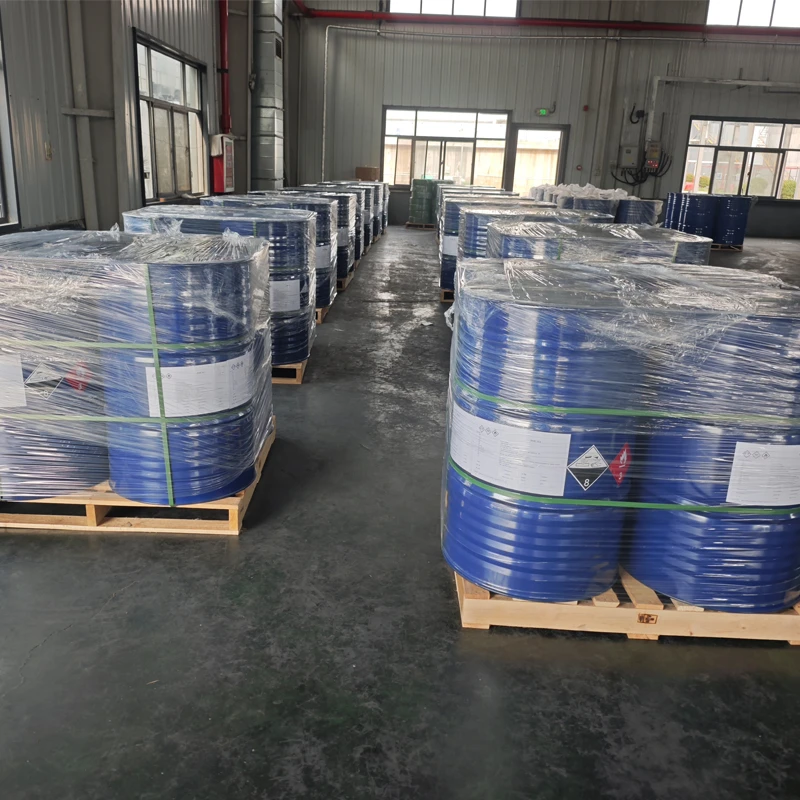
At its core, cosmetic materials refer to the substances used to formulate products designed to cleanse, beautify, promote attractiveness, or alter the appearance without affecting body structure or functions. This includes a diverse range of raw materials like emollients, emulsifiers, preservatives, fragrances, and active ingredients such as vitamins and plant extracts. The careful selection and combination of these materials create textures and effects consumers notice and trust.
Oddly enough, this field also crosses over humanitarian needs—think of skin care for vulnerable populations or sunscreens designed for workers in intense sun-exposed regions. Safe cosmetic materials can improve quality of life beyond beauty salons.
Core Components of Cosmetic Materials
Sustainability
The shift towards natural and bio-based materials responds to environmental concerns. Ingredients are increasingly sourced responsibly to reduce ecological footprints. This plays an essential role across product lines, ensuring brands maintain ethical integrity.
Safety and Regulatory Compliance
Cosmetic materials must comply with regulations such as those by the U.S. FDA, EU’s Cosmetics Regulation (EC) No 1223/2009, and ASEAN Cosmetic Directives. Safety testing and documentation is a huge part of product development to avoid adverse reactions.
Functionality
From providing moisturizing effects to UV protection, materials need to perform consistently across climates and skin types. Performance testing ensures a product’s reliability over time.
Cost Efficiency
Balancing quality with manufacturing costs is tricky but vital, especially in mass-market products. Innovations in synthetic biology and green chemistry help reduce costs without cutting corners.
Scalability
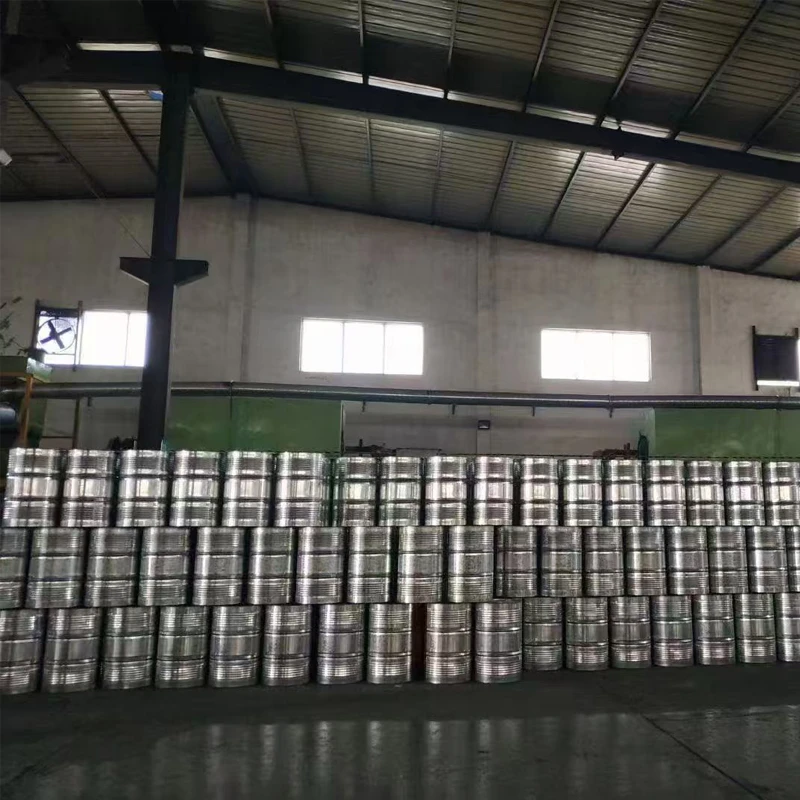
It’s one thing to create a novel ingredient in the lab, another to produce tons reliably and sustainably. Scalability impacts how swiftly new trends or materials can be adopted industry-wide.
Mini takeaway: Cosmetic materials embody a delicate promise—bringing together safety, efficacy, ecological responsibility, and economic feasibility.
Global Applications and Use Cases
Globally, the use of cosmetic materials goes beyond fancy creams on store shelves. For example:
- Asia: Japan and South Korea are known for pioneering advanced cosmetic components like hyaluronic acid and fermented ingredients.
- Europe: Heavy regulations nurture innovation in hypoallergenic and organic cosmetic products.
- Developing countries: Focus on affordable, multi-purpose skin and hair care that respects local skin types and climates, sometimes supported by NGOs.
Take aloe vera – a cosmetic material popular for its soothing qualities, widely cultivated and used in tropical regions, making it an economic crop and cosmetic staple.
Product Specification Table
| Material | Origin | Primary Function | Common Uses |
|---|---|---|---|
| Hyaluronic Acid | Biotechnological fermentation | Hydration & Skin plumping | Serums, moisturizers |
| Aloe Vera Extract | Plant extract (Aloe) | Soothing, anti-inflammatory | Lotions, after-sun products |
| Titanium Dioxide | Mineral compound | UV protection | Sunscreens, powders |
Advantages and Long-Term Value of Quality Cosmetic Materials
Quality cosmetic materials make a huge difference. They ensure product safety, enhance user experience, and build brand trust. Brands investing in rigorous ingredient sourcing and testing enjoy longer customer loyalty, reduced legal risks, and often, premium pricing.
From a sustainability perspective, green materials contribute to lower environmental impact — which consumers increasingly demand, especially millennials and Gen Z. Beyond logic, great cosmetic materials deliver emotional benefit: they help people feel confident, cared for, and even spark joy.
Vendor Comparison Table
| Vendor | Range of Cosmetic Materials | Sustainability Initiatives | Certification & Compliance |
|---|---|---|---|
| Hejia Chemical Tech | Wide — emulsifiers, active ingredients, preservatives | ISO 14001, eco-friendly sourcing | ISO 22716 GMP certified |
| Global Raw Materials Inc. | Moderate — plant extracts, natural oils | FairTrade certified | FDA & REACH compliant |
| EcoChem Solutions | Specialized in green chemistry actives | Carbon neutral since 2022 | COSMOS and Ecocert certified |
Future Trends and Innovations in Cosmetic Materials
The future is green and digital. Innovations like biotechnology-derived actives promise safer, purer ingredients with predictable quality. Nanotechnology is improving ingredient delivery systems. Additionally, blockchain for supply chain transparency is gaining traction, helping brands verify sourcing authenticity.
Automation in ingredient formulation reduces human error and increases scalability. Sustainability trends mean more companies aim for circularity—think recyclable packaging combined with biodegradable cosmetic materials.
Challenges & Solutions
Yet, there are hurdles. Sourcing natural materials sustainably at scale remains tricky. Regulatory environments vary by country, making international compliance complex. Then there’s the consumer skepticism over “natural” claims — greenwashing can backfire.
Experts suggest investing in rigorous certification and transparent communication, plus partnering with credible vendors who understand both regulations and the consumer mindset.
Frequently Asked Questions About Cosmetic Materials
- Q: What should I look for in safe cosmetic materials?
A: Prioritize ingredients that meet ISO and FDA regulations, with clear safety data and non-toxic profiles. Look for certifications like ECOCERT for natural claims. - Q: Are natural cosmetic materials always better?
A: Not always. Natural doesn’t automatically mean safer or more effective. It depends on sourcing, processing, and formulation stability. - Q: How do manufacturers ensure cosmetic materials don’t cause allergies?
A: Through stringent patch testing, toxicological reviews, and adhering to allergen restrictions defined by regulatory bodies. - Q: Can cosmetic materials impact the environment?
A: Yes. Synthetics often have higher carbon footprints, but well-developed bio-based materials aim to minimize waste and pollution.
Conclusion
To wrap up, cosmetic materials are fundamental to creating products that are not only appealing and effective but also safe and sustainable for our planet. As consumers grow savvier and seek transparency, the industry’s focus on innovation and ethical sourcing intensifies. For anyone interested in the future of beauty science or looking for trustworthy partners in this field, understanding cosmetic materials is your first step.
Curious to explore high-quality cosmetic materials and how they can transform your product line? Visit our website to learn more.
Mini takeaway: Great cosmetic materials aren’t just ingredients — they’re the secret stories behind every confident glow.
References
- ISO 22716: Cosmetics — Good Manufacturing Practices
- Wikipedia: Cosmetics
- Statista: Cosmetics Industry Statistics