Field Notes: Hegrecat BA101 in modern polyurethane lines
Polyurethane shops have been quietly retooling their catalyst packages—pushing for tighter reactivity windows, lower VOC aroma, and, frankly, fewer surprises in hot weather. Over the past quarter, I’ve watched several factories swap legacy amine mixes for Hegrecat BA101 , a 70/30 blend of Bis(2‑dimethylaminoethyl) ether (BA100, CAS 3033-62-3) and dipropylene glycol (DPG). On paper it reads simple; on the line it behaves like a steady hand on the throttle.
Industry pulse
Trends? Balanced catalysts that moderate cream time without killing rise, blends that tolerate recycled polyols, and packages that play nice with both TDI and MDI systems. Hegrecat BA101 fits that lane: BA100 drives the blowing/gelling pathways; DPG tempers volatility, improves dosing, and—many customers say—reduces raw amine odor in the work area.
Product snapshot and specs
| Parameter | Typical value (≈) |
|---|---|
| Composition | 70% BA100 (BDMAEE), 30% DPG |
| Appearance | Colorless to pale-yellow liquid |
| Density @25°C | ≈0.93 g/cm³ (real-world use may vary) |
| Viscosity @25°C | Low–moderate; pumpable, easy to meter |
| Flash point (CC) | ≈80–95°C |
| Recommended dosage | ~0.05–0.20 pphp on polyol side |
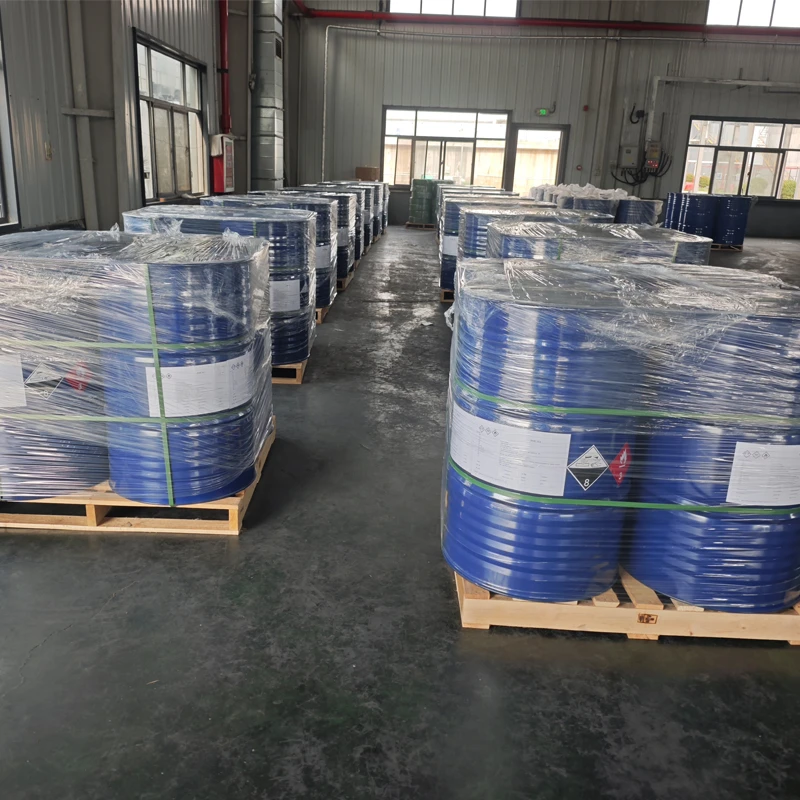
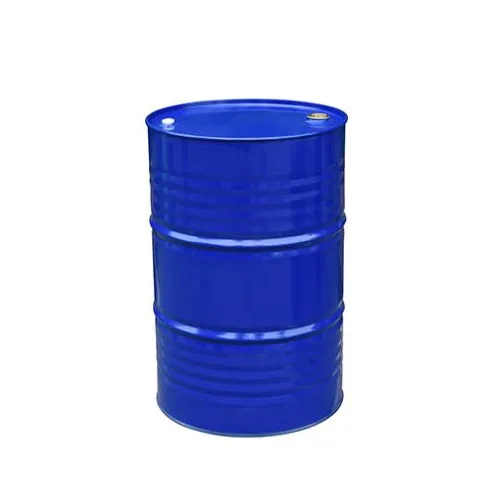
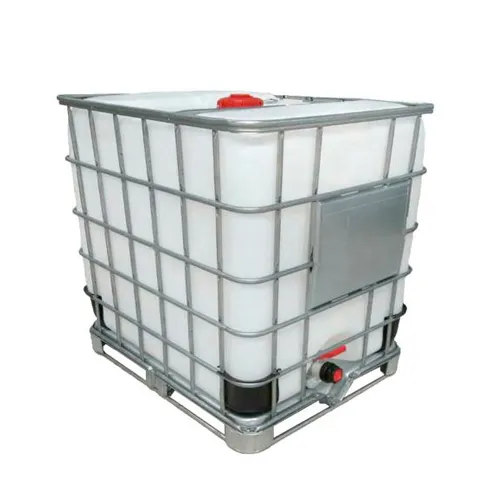
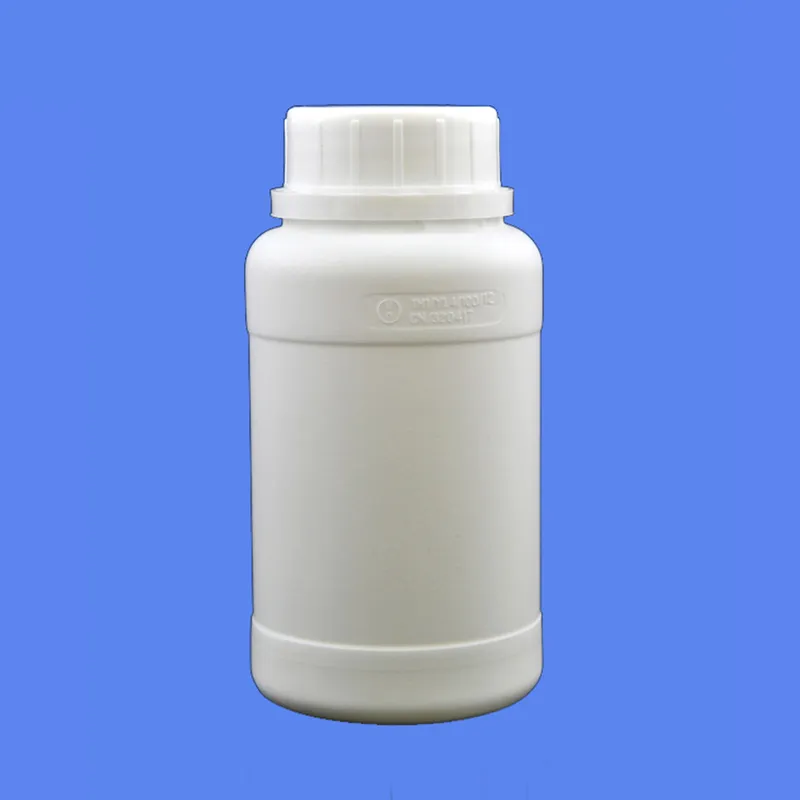
| Packaging/Shelf life | 25 kg pails / 180–200 kg drums; ≈12 months sealed @20–30°C |
Origin: 80 Hainan Road, Shijiazhuang Economic and Technological Development Area. COA/SDS available; third‑party testing (ISO/IEC 17025) on request.
How it’s used (process flow)
Materials: polyol blend (can include recyclate), isocyanate (TDI/MDI/MDI‑rich), water, surfactant, blowing agent (if any), Hegrecat BA101 .
Method: pre‑blend catalyst into the polyol (0.05–0.20 pphp). Mix at 20–25°C; moisture ≤0.05%. Meter with ±1% accuracy. Typical lab foam shows cream 9–12 s, gel 55–80 s, rise 120–150 s at 25°C (baseline flexible slabstock; your mileage may vary).
Testing standards: density (ISO 845), IFI/ILD (ISO 2439), compression set (ASTM D3574), tensile/elongation (ISO 1798), air flow (ASTM D3574), and fogging/VOC where applicable (e.g., VDA 278 in auto).
Service life in product: not a wear component; performance is reflected in foam stability—cell uniformity, reduced collapse, and dimensional stability over aging tests (ASTM D3574, Procedure J).
Where it shines
- Flexible slabstock and molded seats — steadier cream, fewer edge voids.
- Rigid insulation and spray foam — balanced water reaction, fine cell structure.
- CASE systems — when you need moderated amine strength in DPG for handling.
Advantages noted by users: smoother start‑up after weekend stops, slightly lower odor at the mix head, and better control on humid days. To be honest, the “less drama” factor is hard to quantify but easy to appreciate.
Vendor comparison (indicative)
| Item | Hegrecat BA101 | Generic BDMAEE (100%) | Alt. 60/40 BAEE/DPG |
|---|---|---|---|
| Reactivity control | Balanced; good latency | Very fast; less forgiving | Moderate |
| Handling/odor | Tamed by DPG | Sharper amine note | Similar, slightly higher viscosity |
| Foam cell fineness | Fine–uniform | Fine but prone to collapse if overdosed | Fine |
| Metering ease | Easy; stable viscosity | Very low viscosity; splashy | Good |
Customization
Blends can be tailored—e.g., 65/35 for extra latency, or co‑catalyst packages with TEDA traces for molded foam. Low‑odor variants, inhibitor adds, and viscosity targets are usually feasible after lab screening.
Quick case snapshots
Automotive seats (molded): switching to Hegrecat BA101 at 0.11 pphp cut knit‑line voids by ≈18% and stabilized cream time within ±0.8 s across a 6°C ambient swing; ILD drift over 24 h decreased by ~7% (ASTM D3574).
Rigid panels: at 0.08 pphp, panel line reported fewer pinholes and a 3–5% improvement in closed‑cell content; dimensional stability at 70°C/7d met spec margins with extra headroom (ISO 2796 surrogate protocol; internal lab).
Compliance notes: SDS/transport under applicable regulations; RoHS/REACH documentation typically provided on request. Always verify with your EHS team.
Citations
- ASTM D3574 — Standard Test Methods for Flexible Cellular Materials—Urethane Foams.
- ISO 845 — Cellular plastics — Determination of apparent density.
- Ullmann’s Encyclopedia of Industrial Chemistry, “Polyurethanes.”
- PubChem: Bis(2-dimethylaminoethyl) ether (CAS 3033-62-3).