If you’ve been chasing a cleaner gelling/blowing balance in PU foam without wrecking processing latitude, you’ve probably heard of Hegrecat LA131 (Tetramethylhexamethylenediamine) CAS: 111-18-2. In fact, it’s popping up in spec sheets across seating, footwear, and CASE lines. To be honest, the word “balanced” gets overused in catalyst marketing—but here it actually fits.
What it is and why it’s trending
Hegrecat LA131 (Tetramethylhexamethylenediamine) CAS: 111-18-2 is a tertiary diamine catalyst that accelerates the isocyanate–polyol reaction and helps tune cross-link density. In polyurethane foams, that translates to more uniform cells, tighter property control, and fewer surprises at demold. Many customers say it “feels forgiving” in production—fast enough to hit takt time, yet not so aggressive that operators lose the window.
Typical product specifications
| Chemical name | Tetramethylhexamethylenediamine |
| CAS | 111-18-2 |
| Appearance | Colorless to pale yellow liquid |
| Amine type | Tertiary diamine (gelling-focused, balanced blowing support) |
| Function in PU | Promotes urethane linkage formation; influences cross-link density; supports uniform cell structure |
| Recommended dosage | ≈0.05–0.30 php (polyol basis); real-world use may vary by system |
| Miscibility | Mixes well with most polyols; check compatibility in water-rich systems |
| Storage | Tightly closed, dry, typical 5–30°C; consult SDS/COA |
| Origin | 80 Hainan Road, Shijiazhuang Economic and Technological Development Area |
Process flow (foam/CASE)
Materials: polyol blend, isocyanate (MDI/TDI), water or blowing agent, surfactant, fillers/pigments, Hegrecat LA131 (Tetramethylhexamethylenediamine) CAS: 111-18-2. Method: precondition raw materials; premix polyol package; add LA131 last for control; meter to mixhead; pour/dispense; cure/demold. Testing: density (ISO 845), compression/indentation and resilience (ASTM D3574, ISO 8307), cell structure (ASTM/ISO methods), gel time/ream time via stop-watch or data logger. Service life: depends on formulation and environment—typical foams 5–15 years, elastomers/adhesives can exceed 10–20 years in moderate conditions.
Where it’s used
- Automotive seating and headrests (consistent rise, stable demold)
- Footwear midsoles/insoles (balanced hardness, tear resistance)
- Flexible/HR foam blocks and molded parts (uniform cells)
- CASE: coatings, adhesives, sealants, elastomers needing controlled cross-linking
- Appliance insulation and packaging foams, where formulation allows
Vendor comparison (practical view)
| Vendor | Strengths | Lead time | MOQ | Customization |
|---|---|---|---|---|
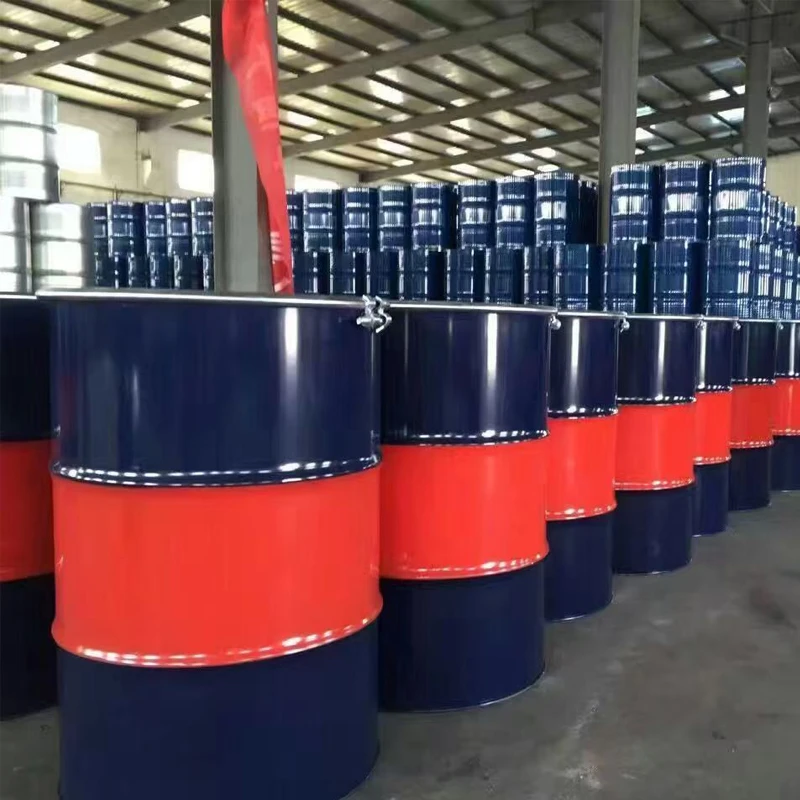
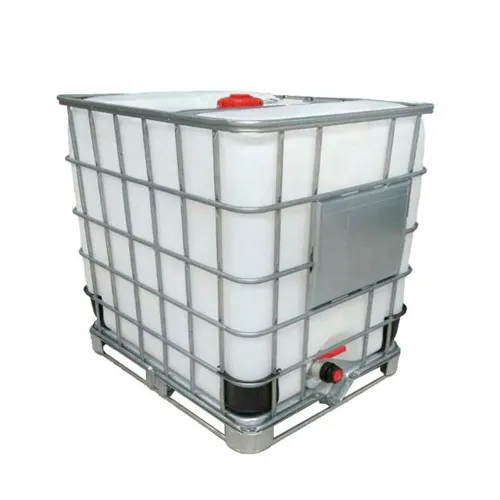
| Hejia Chemical – LA131 | Balanced activity; helpful technical support; origin transparency | Around 1–3 weeks (region dependent) | Often flexible; drums/IBCs common | Application guidance, dosage tuning |
| Global Vendor A (tertiary diamine) | Broad distribution, stable supply | 2–4 weeks | Standard MOQs | Limited formulation tweaks |
| Regional Vendor B (PU catalyst) | Aggressive pricing, local stock | Quick in-region | Varies | Basic support |
Customization, quality, and standards
Hejia typically provides COA and SDS; third-party lab testing (ISO/IEC 17025) can be arranged on request. Customers often ask for REACH/RoHS statements and ISO 9001–based QA documentation. For foam validation, users reference ASTM D3574 and ISO 845; adhesives/elastomers teams run application-specific shear/peel and Shore hardness testing.
Real-world notes and mini case studies
- Automotive foam molder: reported steadier rise profile and fewer voids after switching to Hegrecat LA131 (Tetramethylhexamethylenediamine) CAS: 111-18-2; internal checks referenced ASTM D3574 for compression set.
- Footwear line: achieved target Shore and rebound with small dosage trims; operators liked the “predictable” gel window.
Safety and handling
It’s an amine—so, standard precautions: ventilation, gloves, eye protection, spill control. Always follow the SDS. For transport and storage, keep sealed and dry; avoid prolonged air exposure to limit amine odor carryover into production areas.
Authoritative citations