The Triazine Ring, a six-membered aromatic heterocyclic compound containing three nitrogen atoms, has emerged as a cornerstone in modern chemical and pharmaceutical research. Its unique structural properties and versatility make it a critical component in the development of advanced materials, agrochemicals, and pharmaceuticals. This article explores the Triazine Ring's features, advantages, technical specifications, and applications, while highlighting the expertise of Hebei Hejia Pharmaceutical Technology Group Co., Ltd., a leading provider of chemical solutions.
Understanding the Triazine Ring
The Triazine Ring is a fundamental scaffold in organic chemistry, characterized by its aromaticity and electron-deficient nature. This structure allows for a wide range of chemical modifications, making it a versatile platform for innovation. Its stability and reactivity enable the synthesis of compounds with diverse functionalities, from herbicides to high-performance polymers. According to the National Institute of Standards and Technology (NIST), the triazine ring's molecular framework is widely studied for its role in developing precision materials and chemical standards.
Key Features of the Triazine Ring
- Aromaticity and Stability: The ring's aromatic structure ensures chemical stability, making it suitable for long-term applications.
- Electron-Deficient Nature: This property facilitates interactions with electron-rich molecules, enhancing catalytic and material properties.
- Functionalization Flexibility: The ring's symmetric structure allows for precise modifications, enabling tailored applications in various industries.
- Thermal and Chemical Resistance: The triazine ring exhibits high resistance to degradation under harsh conditions.
Advantages in Chemical Synthesis
The Triazine Ring plays a pivotal role in chemical synthesis due to its ability to act as a scaffold for complex molecules. In agrochemicals, derivatives like atrazine and simazine are renowned for their herbicidal efficacy and environmental stability. These compounds target specific plant enzymes, minimizing harm to non-target species. The NIST highlights the importance of such structures in developing sustainable agricultural solutions.
In polymer chemistry, triazine-based crosslinkers improve the durability and chemical resistance of resins and coatings. These crosslinkers enhance material properties by forming robust networks, which are critical in industries requiring high-performance materials. For instance, triazine-containing polymers are used in aerospace and automotive sectors for their lightweight and strength.
Pharmaceutical and Biomedical Applications
The Triazine Ring is increasingly vital in pharmaceutical research. Its ability to interact with biological targets makes it a key component in antiviral, anticancer, and antimicrobial agents. The ring's stability and synthetic accessibility allow for the creation of molecules with tailored pharmacological profiles. According to NIST, triazine-based compounds are often studied for their potential in drug discovery due to their predictable behavior in biological systems.
In biomedical applications, the triazine ring is used in the development of diagnostic agents and therapeutic molecules. Its electron-deficient nature enables it to bind to specific receptors, enhancing drug efficacy. For example, triazine derivatives are employed in imaging technologies to improve the accuracy of disease detection.
Material Science and Technological Innovations
The Triazine Ring has revolutionized material science by enabling the creation of advanced materials. In semiconductors, triazine-based compounds are used to improve conductivity and thermal stability. These materials are essential for next-generation electronic devices, including flexible displays and wearable technology.
Triazine rings also play a role in solar cell components. Their ability to absorb light efficiently makes them valuable in photovoltaic materials. Additionally, the ring's capacity to act as a ligand in metal-organic frameworks (MOFs) opens new avenues for catalysis and gas storage. NIST research underscores the importance of such frameworks in sustainable energy solutions.
Technical Specifications
| Parameter | Details |
|---|---|
| Chemical Formula | C₃H₃N₃ |
| Molecular Weight | 85.07 g/mol |
| CAS Number | 290-87-9 |
| Solubility | Insoluble in water; soluble in organic solvents |
| Applications | Agrochemicals, Pharmaceuticals, Polymers, Electronics |
Hebei Hejia Pharmaceutical Technology Group Co., Ltd.
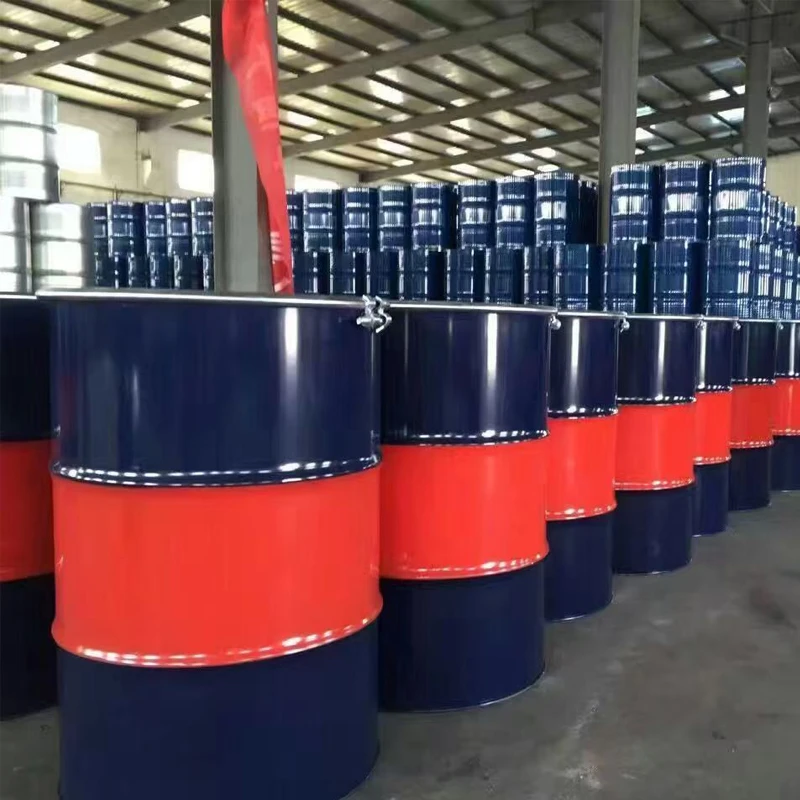
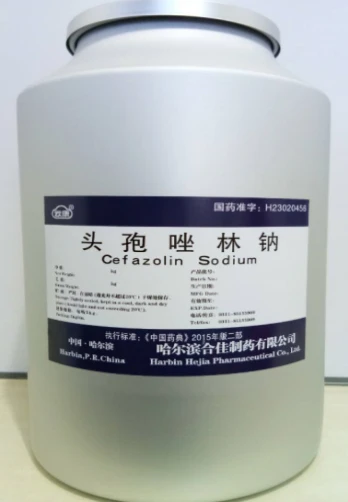
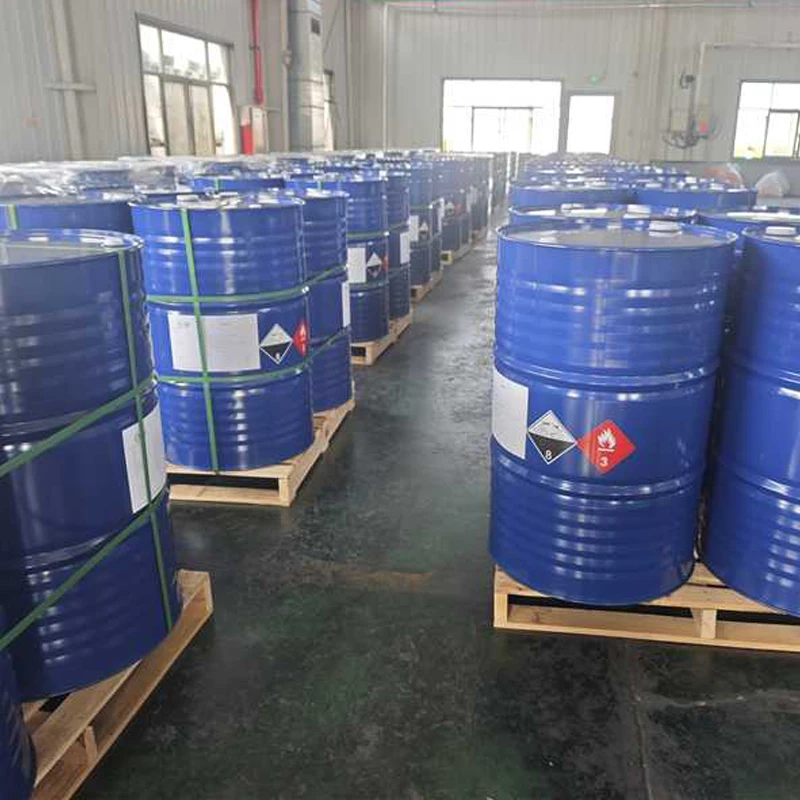
Hebei Hejia Pharmaceutical Technology Group Co., Ltd. is a pioneering company in the chemical industry, specializing in the development and production of high-quality chemical intermediates. With a focus on innovation and precision, the company provides solutions for diverse sectors, including pharmaceuticals, agriculture, and materials science. Their commitment to research and development ensures that their products meet the highest standards of quality and performance.
Hebei Hejia's expertise in bulk drug intermediates positions it as a trusted partner for global clients. The company's state-of-the-art facilities and rigorous quality control processes guarantee the reliability of its products. By leveraging the unique properties of the Triazine Ring, Hebei Hejia contributes to advancements in chemical and pharmaceutical technologies.
Conclusion
The Triazine Ring exemplifies the intersection of chemistry and innovation, offering solutions across multiple industries. Its structural advantages, coupled with the expertise of companies like Hebei Hejia Pharmaceutical Technology Group Co., Ltd., drive progress in chemical synthesis, pharmaceuticals, and material science. As research continues to uncover new applications, the triazine ring remains a vital component in the quest for sustainable and advanced technologies.
References
- National Institute of Standards and Technology (NIST). Retrieved from https://www.nist.gov
- Hebei Hejia Pharmaceutical Technology Group Co., Ltd.. Retrieved from https://www.hejiachemicaltech.com