Decyl Glucoside(CAS #68515-73-1 & 110615-47-9): insider notes, specs, and where to buy
If you’re hunting for decyl glucoside for sale, you’re probably balancing mildness, label-friendliness, and a supply chain that won’t keep you up at night. I’ve worked with a lot of formulators who swear by APGs for a reason: they clean without biting back. And this one—made from corn glucose and coconut-derived fatty alcohol—has been the quiet hero in gentle shampoos and baby washes for years.
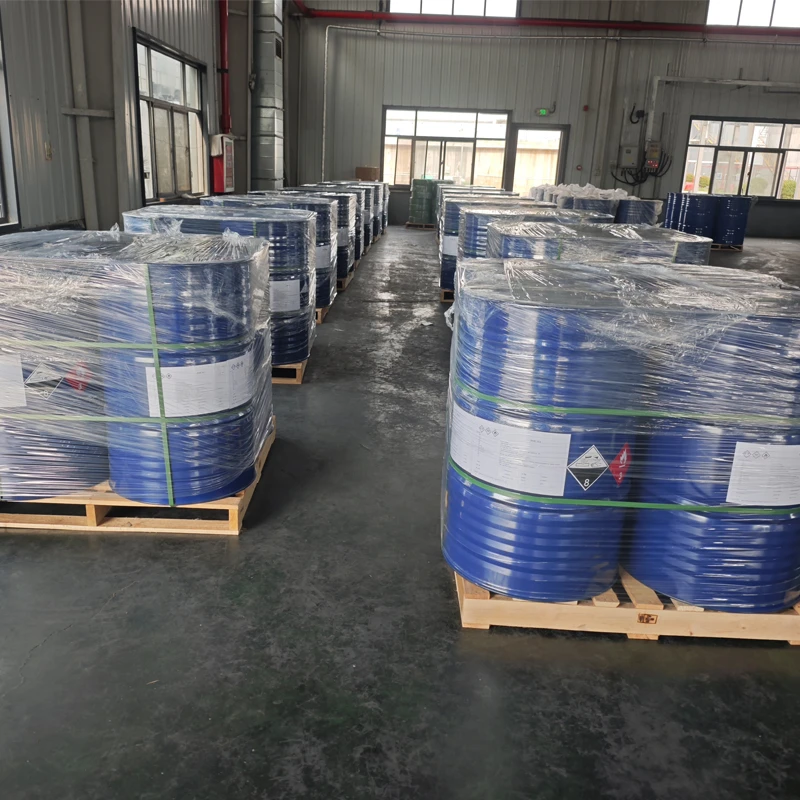
What’s trending (and why it matters)
Two big currents: sulfate-free formulas and credible eco-claims. Decyl Glucoside checks both boxes—non-ionic, plant-derived, and readily biodegradable. Many customers say it “feels creamier” than older-generation green surfactants, and, surprisingly, it boosts foam when paired with amphoterics like CAPB. To be honest, you’ll get fewer complaints about dryness without sacrificing lather.
Technical specifications (typical)
| Item | Spec (≈/range) | Method / Note |
|---|---|---|
| INCI | Decyl Glucoside | APG (C10) |
| CAS | 68515-73-1; 110615-47-9 | Label/CoA |
| Active matter | ≈ 50–55% | ISO 2271 or vendor SOP |
| pH (10% sol., 25°C) | ≈ 11.5–12.5 | pH meter, ASTM E70 |
| Viscosity | ≈ 200–500 mPa·s | Brookfield, 25°C |
| Biodegradability | Readily biodegradable (>60%/28 d) | OECD 301 series |
| Shelf life | 24 months, unopened | 5–40°C, keep sealed |
How it’s made (simplified flow)
Materials: corn glucose, coconut/RSPO-eligible decyl alcohol, food/tech-grade acid catalyst, water.
Method: controlled glycosylation → vacuum stripping (reduce free alcohol) → neutralization → filtration → QC → filling.
QC & testing: active matter (titration), pH, color/APHA, microbial limits, and biodegradability screening (OECD 301). Service life: ≈ 2 years sealed; real-world use may vary with storage.
Applications and use levels
- Shampoo/body wash: 5–20% of formula; pair with CAPB to stabilize foam.
- Facial cleanser/micellar: 3–10%; low stinging, good rinse-off.
- Baby wash: 4–8%; often passes 48-hr patch tests more easily than sulfates.
- Household & pet care: 2–6% in mild hard-surface or paw-safe cleansers.
Tip from the bench: adjust salt only after amphoteric addition; APGs salt-thicken differently. And yes, it plays nicely with natural oils and humectants.
Vendor landscape (quick take)
| Vendor | Grade | MOQ | Certs (indicative) | Lead time | Note |
|---|---|---|---|---|---|
| Hejia Chemical Tech (80 Hainan Rd., Shijiazhuang ETDZ) | Decyl Glucoside 50–55% | 200 kg | ISO 9001, REACH support, COSMOS-ready | 7–15 days | Custom pH and preservative options |
| BASF | Plantacare 2000 UP | Drum/pallet | ISO, RSPO supply, COSMOS | Stock/forecast | Global availability |
| SEPPIC | ORAMIX NS10 | Drum | ISO, COSMOS | 2–4 weeks | Well-documented dossier |
Data above is indicative; check current CoA/SDS. Specs and lead times change.
Customization and QC
Hejia offers pH tuning, preservative-free options, and viscosity targets. Batch testing includes active matter, color, heavy metals (ICP), and rapid biodegradability screens. It seems that smaller brands appreciate the smaller MOQs—smoother scale-up curve.
Case notes from the field
- Indie baby brand: swapped SLES for decyl glucoside + CAPB, achieved softer foam and improved consumer tear feedback in home-use tests.
- Contract manufacturer: household spray moved to APG system; achieved ≈30% lower Zein protein solubilization versus sulfate control (internal method; real-world use may vary).
Ready to sample or price-check? Look for decyl glucoside for sale with REACH support, a recent CoA, and OECD 301 data. Another practical tip: ask for a pilot drum before committing—storage and co-surfactant choices can subtly affect clarity and viscosity.
Who uses it
Personal care (shampoos, face cleansers, micellar waters), baby care, natural home care, and even pet grooming. The mild, creamy foam is the crowd-pleaser.
Citations
- OECD 301: Ready Biodegradability Test Guidelines.
- ISO 9001:2015 Quality Management Systems — Requirements.
- COSMOS Standard v4.0 for Organic and Natural Cosmetics.
- European Chemicals Agency (ECHA) REACH Guidance for Substances.
- Journal of Surfactants and Detergents: Reviews on Alkyl Polyglucosides and mildness performance.
Note: This article mixes industry practice with typical specifications; always verify with the latest CoA/SDS before formulating.