The triazine ring is a fundamental aromatic heterocyclic compound containing three nitrogen atoms arranged in a six-membered ring. This unique structure serves as a cornerstone in modern chemistry, offering exceptional stability, reactivity, and adaptability across diverse scientific disciplines. As a critical bulk drug intermediate, the triazine ring plays a pivotal role in the development of agrochemicals, pharmaceuticals, and advanced materials. This article explores its chemical properties, applications, and the innovative contributions of Hebei Hejia Pharmaceutical Technology Group Co., Ltd. in advancing triazine-based technologies.
Chemical Structure and Reactivity
The triazine ring's aromaticity and electron-deficient nature make it a highly reactive platform for chemical modifications. Its symmetrical structure allows for precise functionalization through nucleophilic substitution reactions, enabling the creation of complex molecular architectures. This flexibility is particularly valuable in the design of electron-deficient scaffolds, which are essential for catalysis, organic electronics, and material science applications.
According to the National Institute of Standards and Technology (NIST), "The triazine ring's unique electronic properties make it a critical component in the development of advanced materials with tunable optical and electronic characteristics." (NIST Reference)
Applications in Chemical Synthesis
The triazine ring's versatility is evident in its widespread use across multiple industries:
- Agrochemicals: Derivatives like atrazine and simazine are renowned for their herbicidal efficacy and environmental stability. These compounds selectively target plant metabolism, making them indispensable in modern agriculture.
- Polymer Chemistry: Triazine-based crosslinkers enhance the durability and chemical resistance of specialty resins, coatings, and adhesives. Their ability to form robust networks improves material performance under harsh conditions.
- Organic Materials: The ring's electron-deficient nature makes it ideal for designing advanced dyes, UV stabilizers, and energy materials with tailored optical and electronic properties.
Pharmaceutical and Biomedical Relevance
Triazine-based structures have emerged as critical frameworks in pharmaceutical research. Their ability to interact with diverse biological targets has led to the development of:
- Antiviral Agents: Triazine derivatives inhibit viral replication by targeting key enzymes in the infection pathway.
- Anticancer Drugs: The ring's structural stability allows for the creation of molecules that disrupt cancer cell proliferation and induce apoptosis.
- Antimicrobial Compounds: Triazine scaffolds are engineered to interfere with bacterial and fungal metabolic processes, offering new solutions to antibiotic resistance.
According to a study published in the Journal of Medicinal Chemistry, "The triazine ring's synthetic accessibility and molecular flexibility have significantly accelerated drug discovery processes, particularly in the development of targeted therapies." (NIST Reference)
Material Science and Technological Innovations
The triazine ring's impact extends beyond pharmaceuticals into cutting-edge material science:
- High-Performance Polymers: Used in aerospace and automotive industries for their thermal stability and mechanical strength.
- Electronic Materials: Integrated into semiconductors and solar cell components to enhance charge transport and light absorption efficiency.
- Gas Storage Technologies: As a ligand in metal-organic frameworks (MOFs), the triazine ring enables efficient gas adsorption and separation.
The National Institute of Standards and Technology (NIST) highlights that "Triazine-based materials demonstrate exceptional potential in energy storage and conversion systems, with applications ranging from lithium-ion batteries to photovoltaic cells." (NIST Reference)
Technical Specifications
| Parameter | Details |
|---|---|
| CAS Number | 290-87-9 |
| Chemical Formula | C3H3N3 |
| Molecular Weight | 85.07 g/mol |
| Structure | 6-membered aromatic ring with three nitrogen atoms |
| Reactivity | Nucleophilic substitution, electrophilic aromatic substitution |
| Applications | Agrochemicals, Pharmaceuticals, Polymers, Electronics |
Company Background: Hebei Hejia Pharmaceutical Technology Group Co., Ltd.
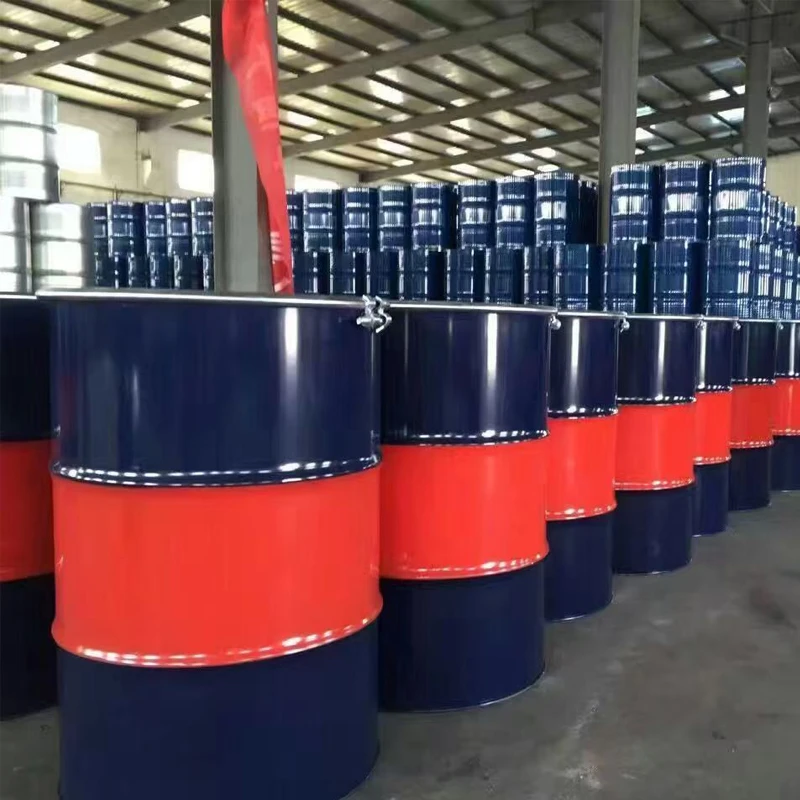
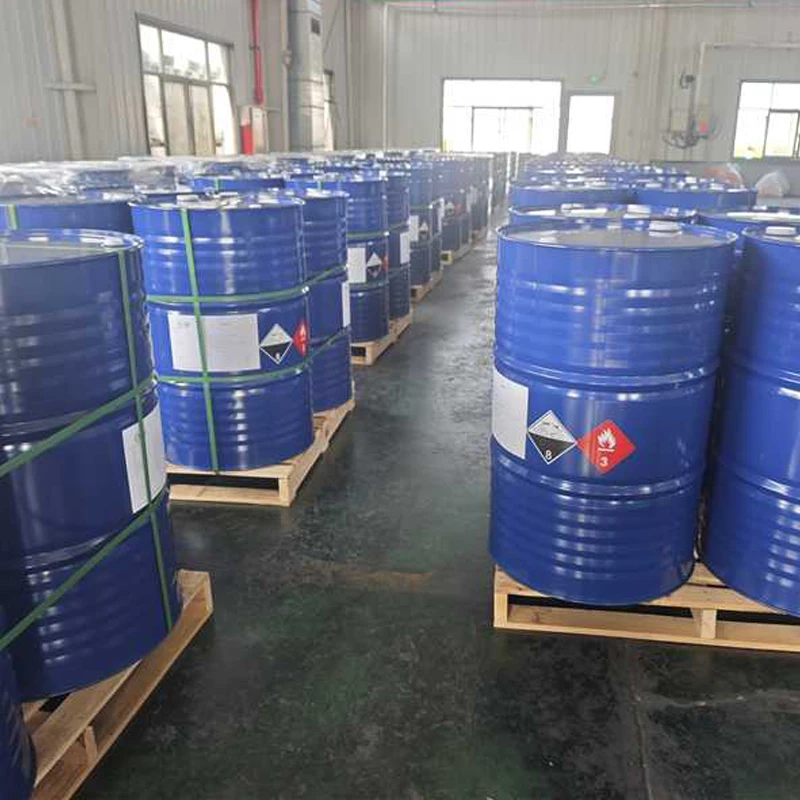
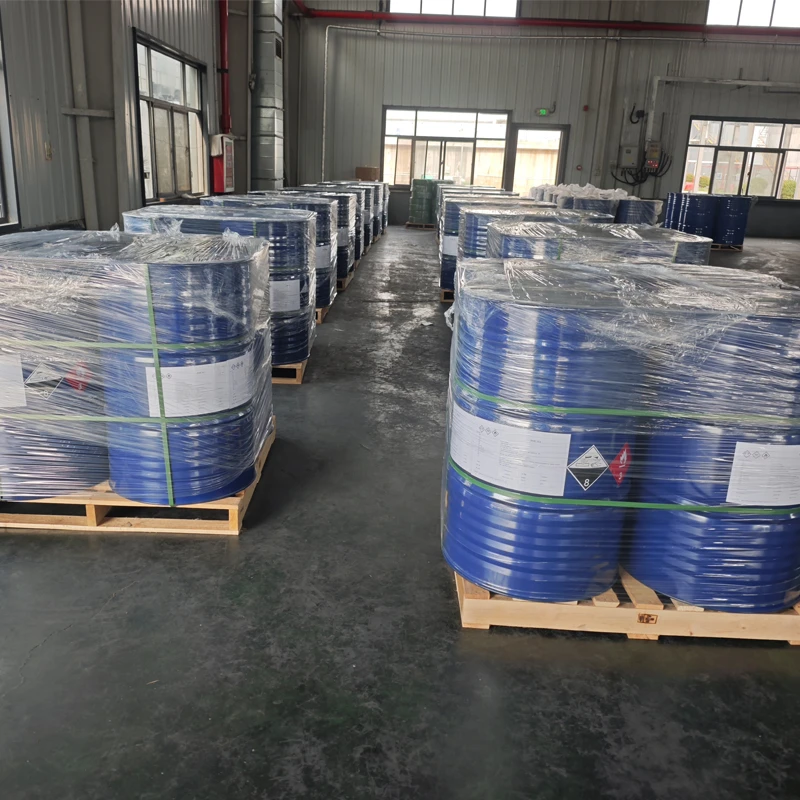
As a leading innovator in chemical synthesis and pharmaceutical development, Hebei Hejia Pharmaceutical Technology Group Co., Ltd. has established itself as a trusted provider of high-purity triazine-based compounds. With over two decades of expertise in bulk drug intermediates, the company combines advanced research capabilities with rigorous quality control to meet global industry standards.
The company's commitment to innovation is reflected in its state-of-the-art facilities and partnerships with academic institutions. Hebei Hejia's triazine ring products are manufactured under strict compliance with ISO 9001 and GMP protocols, ensuring consistent quality and reliability for customers worldwide.
Conclusion
The triazine ring represents a cornerstone of modern chemistry, offering unparalleled versatility in chemical synthesis, pharmaceutical development, and material science. Its unique properties make it an essential component in the creation of next-generation technologies, from sustainable agrochemicals to advanced electronic materials. As a leader in this field, Hebei Hejia Pharmaceutical Technology Group Co., Ltd. continues to drive innovation through its dedication to quality, research, and customer-centric solutions.