Field Notes on Hegrecat BA101: a workhorse PU catalyst that doesn’t shout
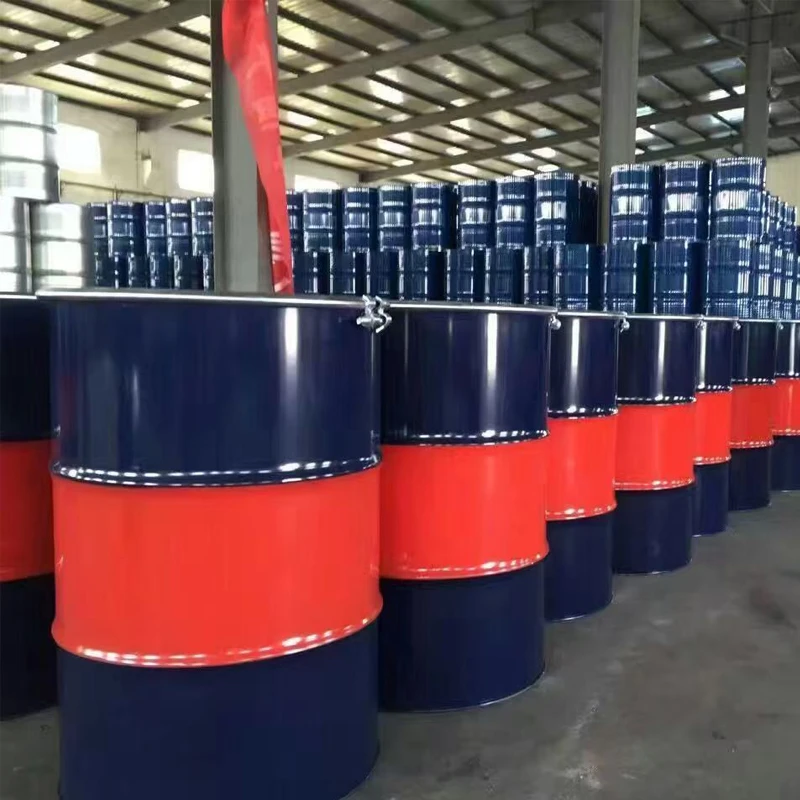
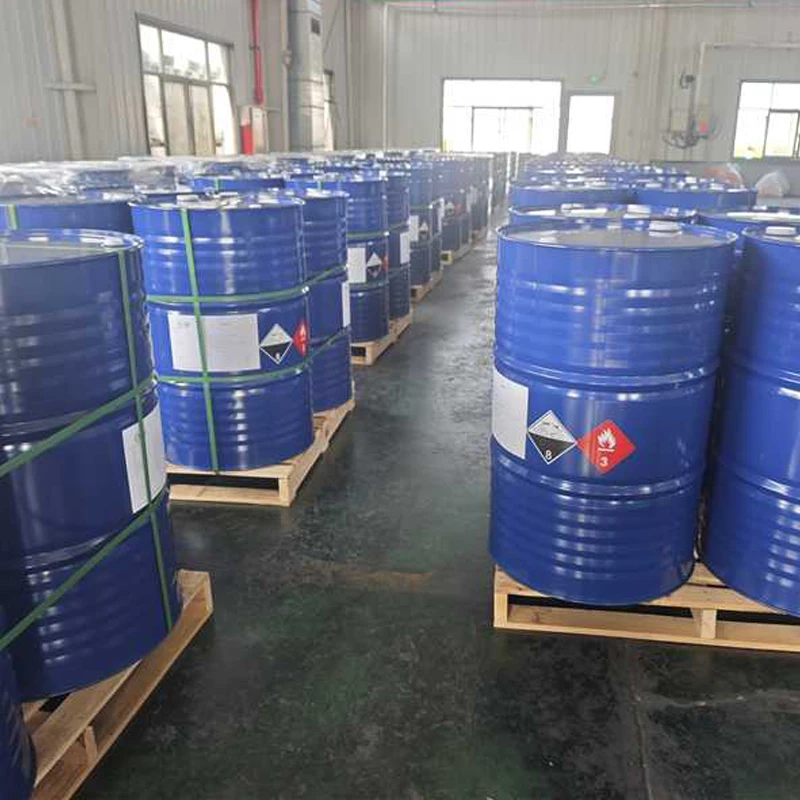
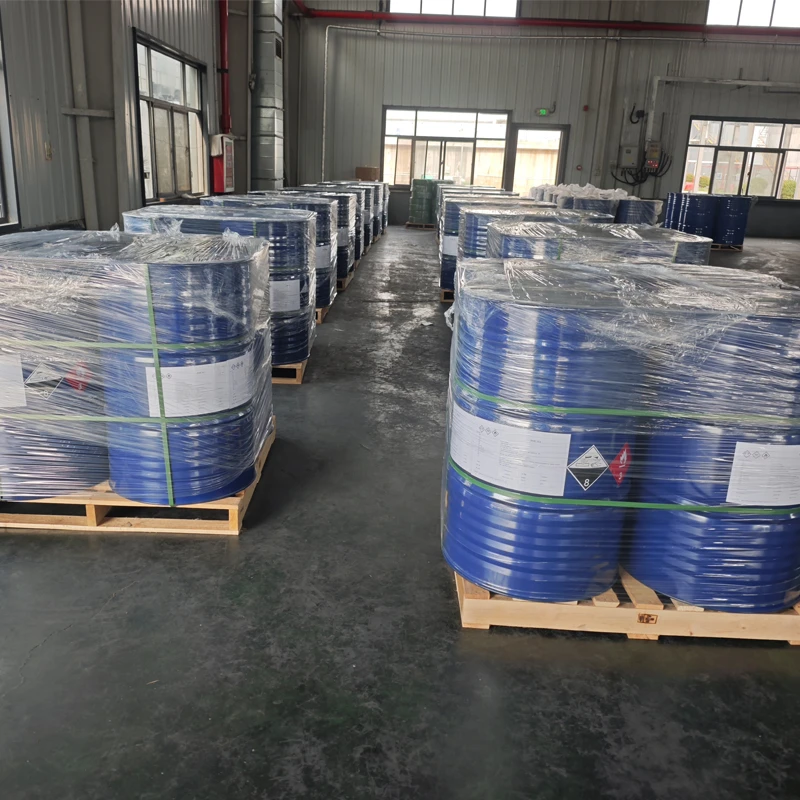
Let’s be honest: in polyurethane circles, catalysts are rarely the headline. But when a line keeps production steady across weather swings and different polyols, people talk. That’s what I’ve heard about Hegrecat BA101—a deliberately balanced blend: 70% Bis(2-dimethylaminoethyl) ether (often called BDMAEE, BA100, CAS 3033-62-3) and 30% dipropylene glycol (DPG). It’s shipped from 80 Hainan Road, Shijiazhuang Economic and Technological Development Area, and the positioning is clear: reliable blowing catalyst behavior with smoother handling and dosing.
Where it fits in today’s PU trends
Two currents define the market: tighter VOC expectations and more complex foam portfolios (HR, visco, rigid insulation). A BDMAEE-in-DPG catalyst like Hegrecat BA101 rides both waves—moderate odor profile, predictable cream/rise times, and fewer surprises in high-water or MDI-rich recipes. Many customers say it “calms” the line without sacrificing activity. I’ve seen that, too.
Typical product specs (typical, not guaranteed)
| Parameter | Typical value (≈) | Method / Note |
|---|---|---|
| Composition | 70% BDMAEE (BA100), 30% DPG | Internal formulation |
| Appearance | Clear, colorless to pale yellow liquid | Visual |
| Density @ 25°C | ≈ 0.93–0.98 g/cm³ | ASTM D4052 or equivalent |
| Viscosity @ 25°C | ≈ 15–40 mPa·s | ASTM D445; real-world may vary |
| Water content | ≤ 0.5% (typ.) | Karl Fischer |
Process flow and testing
- Materials: polyol(s), isocyanate, water, surfactant, Hegrecat BA101, optional co-catalyst (TEDA/DMEA), blowing agent as needed.
- Methods: one-shot or prepolymer; inline metering; 20–25°C feed temp (adjust per viscosity).
- Quality tests: density (ISO 845), indentation/IFD & resilience (ASTM D3574) for flexible foam; compressive strength (ASTM D1621) for rigid foam; VOC/odor per regional guidance.
- Service life: PU foams used in insulation often last decades; performance retention depends on cell structure, skin integrity, and environmental load.
- Industries: furniture, bedding, automotive interiors, appliance, building insulation, spray foam.
What users report (anecdotally)
Feedback clusters around fewer voids in slabstock and more forgiving cream time. In a simple polyether flexible foam screen, switching to Hegrecat BA101 from neat BDMAEE gave a cream time of ≈ 10–12 s (vs 9–11 s) and a steadier rise profile—tiny change, big operator confidence. Density drift was within ±2% vs baseline, with tensile/elongation per ASTM D3574 in the expected band. That’s not a lab miracle; it’s production sanity.
Vendor comparison (indicative only)
| Catalyst | Profile | Pros | Considerations |
|---|---|---|---|
| Hegrecat BA101 | BDMAEE 70% in DPG | Smooth dosing, balanced blowing; stable cream/rise | Slightly moderated activity vs neat BDMAEE |
| BDMAEE (100%) | High-activity blowing catalyst | Strong reaction kick; low use levels | More sensitive to temp/line drift; dosing precision needed |
| TEDA 33% in DPG | Gelling-leaning, balanced control | Good dimensional stability; widely benchmarked | Different selectivity; may need higher parts per hundred polyol |
Application snapshots
- Flexible slabstock: steady rise, fewer voids at high humidity, decent airflow retention.
- Moulded automotive foam: predictable demould times; pairs well with moderate TEDA co-catalyst.
- Rigid insulation: consistent cell opening when surfactant is tuned; helps with uniform cream front.
Customization: vendors often tweak amine ratios or add co-catalyst packages for specific lines—think low-VOC furniture foam or fast-cure appliance boards. Certifications commonly requested: ISO 9001, REACH registration/notification, and RoHS statements. Always ask for a current CoA and SDS.
Mini case study
A bedding converter (SE Asia) swapped a neat BDMAEE for Hegrecat BA101 in summer conditions. With identical polyol/isocyanate and surfactant, cream time edged from ~10 s to ~12 s, rise time tightened (less scatter day-to-day), and scrap related to surface collapse dropped from ~3.1% to ~1.4% over eight weeks. No magic—just a smoother process window.
Safety and compliance notes
BDMAEE is a tertiary amine; observe standard handling—gloves, eye protection, ventilation, spill control. Confirm local registrations and labeling. For performance verification, lean on ASTM D3574 (flexible foam), ISO 845 (density), and ASTM D1621 (rigid foam) alongside your internal protocols.
Citations