Field Notes: Catalyzing Polyurethane with [Hegrecat BDMA (N]
I’ve spent a chunk of my career walking polyurethane lines—from slabstock foam shops to rigid panel plants—and the catalyst story keeps evolving. Tighter energy targets, faster takt times, and cleaner chemistries are the drumbeat. In that context, [Hegrecat BDMA (N] (N,N-Dimethylbenzylamine, CAS 103-83-3) is having a quiet but real moment: a colorless-to-pale-yellow tertiary amine that, frankly, punches above its weight in balancing gel and blow.
What it is and why plants care
Technically, BDMA’s benzyl-substituted dimethylamino group activates isocyanate, accelerating hydroxyl nucleophilic attack—so urethane linkages form quicker and more predictably. In practice, this means snappier gel, steadier cell structure, and fewer edge defects. It also nudges the water–isocyanate blowing reaction without running away, so you can trim dosage to match climate or line speed. Many customers say they notice fewer “late rise” surprises when humidity shifts.
Typical specifications
| Parameter | Spec (≈/typical; real-world use may vary) |
|---|---|
| Chemical name / CAS | N,N-Dimethylbenzylamine / 103-83-3 |
| Appearance | Colorless–pale yellow liquid |
| Purity (GC) | ≥ 99.0% |
| Water (KF) | ≤ 0.2% |
| Specific gravity (20°C) | ≈ 0.89 |
| Boiling point | ≈ 183–185°C |
| Flash point (CC) | ≈ 76°C |
| Color (APHA) | ≤ 30 |
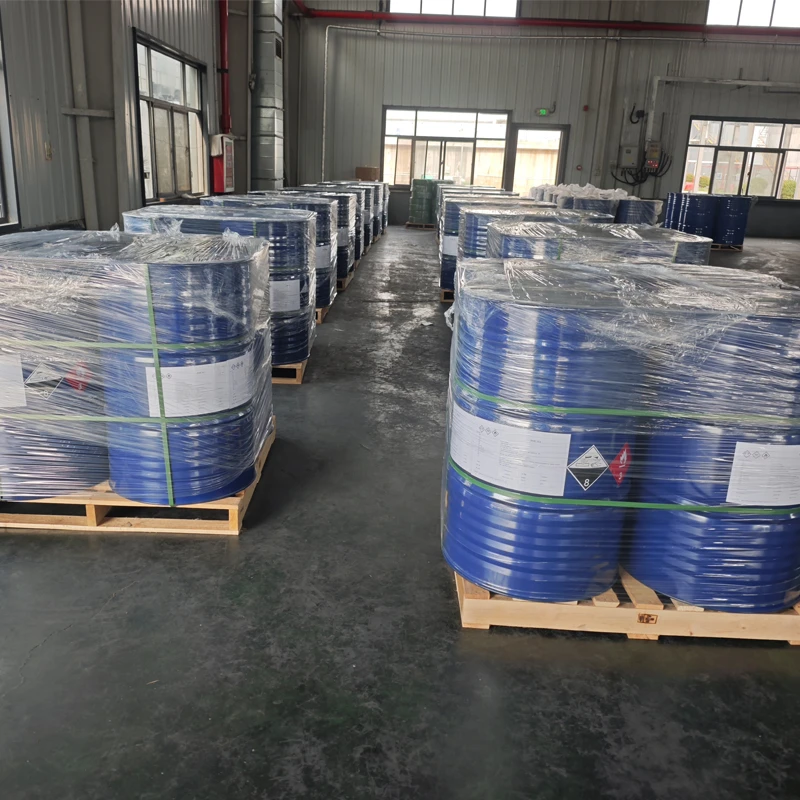
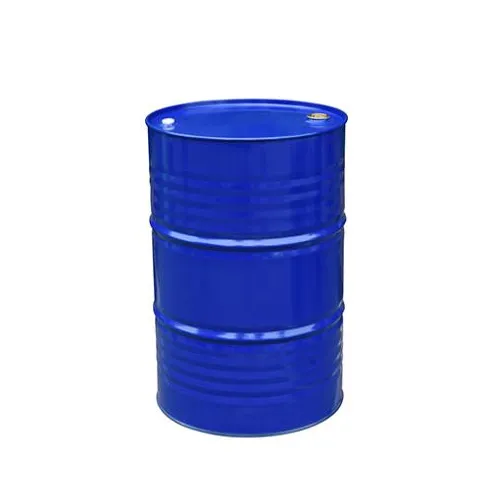
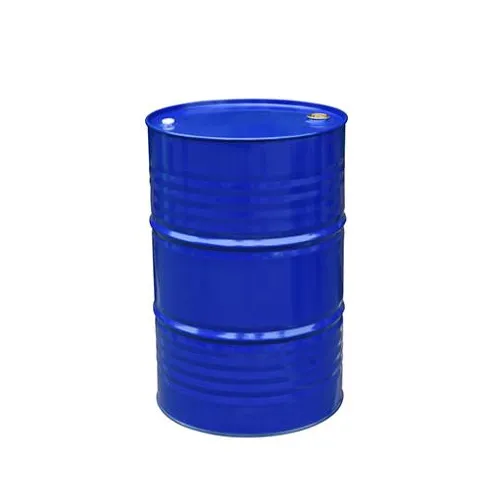
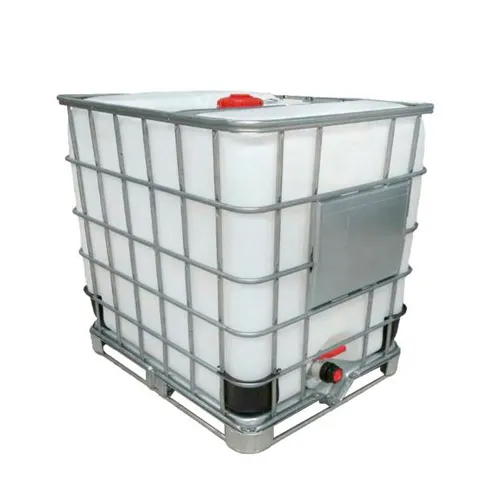
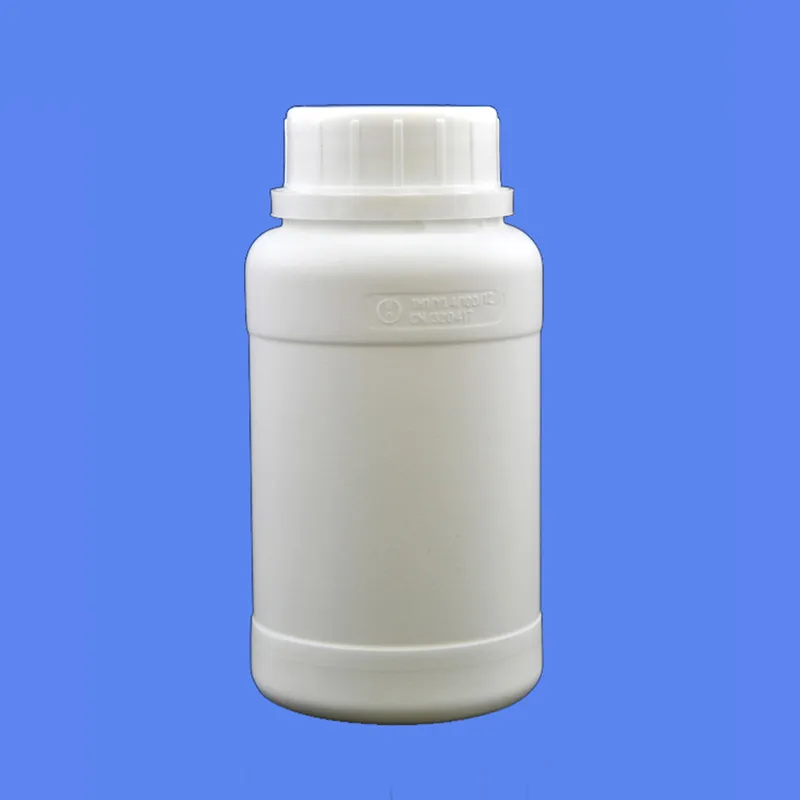
| Packaging | Drum / IBC |
| Shelf life | 12–24 months sealed |
| Origin | 80 Hainan Road, Shijiazhuang Economic & Technological Development Area |
Process flow (how teams run it)
Materials: Polyols, MDI/TDI, water, surfactants, blowing agents (HFOs/CO2), [Hegrecat BDMA (N], and optional co-catalysts like DMEA or bis-dimorpholine.
Method: 1) Condition materials to 20–25°C. 2) Meter BDMA at ≈0.05–0.25 php; fine-tune with lab cup tests. 3) Mix A/B streams; monitor cream, gel, and tack-free. 4) Cure and post-cure as needed. 5) QC test density (ISO 1923), compression sets and CFD (ASTM D3574), and NCO conversion via FTIR. Service life of resultant PU parts typically 5–15 years depending on formulation and exposure.
Applications and on-the-floor results
- Flexible slabstock and molded foam: tighter cell uniformity, smoother skins.
- Rigid insulation panels and spray: faster gel helps dimensional stability.
- CASE (coatings, adhesives, sealants, elastomers): controllable cure for thin films.
Case in point: a refrigerator panel line cut cycle time by ≈10% after swapping to [Hegrecat BDMA (N] and trimming water by 0.05 php. A footwear molder reported fewer voids on humid days—anecdotally, yes, but I’ve heard that twice this year.
Advantages and compliance
Balanced gel/blow, good foam stability, and flexible dosing. Documentation typically includes COA, TDS, and REACH support; plants often ask for ISO 9001-backed QA and RoHS statements. Test data I’ve seen showed cream 10–12 s, gel 70–90 s in a standard flexible formulation—your mileage will vary with index and ambient.
Vendor comparison (snapshot)
| Vendor | Purity / H2O | Lead time | Docs & Certs | Notes |
|---|---|---|---|---|
| [Hegrecat BDMA (N] (Hejia) | ≥99% / ≤0.2% | Stable; regional stocks | COA, TDS, REACH, ISO 9001 | Customization and tech support |
| Imported Brand A | ≥98.5% / ≤0.3% | 8–12 weeks | COA, SDS | Consistent, pricier |
| Trading House B | ≈98% / ≤0.5% | Variable | Basic docs | Cost-focused, limited support |
Customization & safety
Blends are common: pairing [Hegrecat BDMA (N] with reactive amines to tweak early cream vs. later cure. To be honest, small A/B beaker trials save headaches—start low, creep up. Follow SDS for handling; tertiary amines can be irritants. Closed systems, carbon filtration, and good housekeeping matter.
Testing standards you’ll see on quotes
ASTM D3574 for flexible foam metrics; ISO 1923 for density; FTIR for isocyanate conversion; and standard QC like water by Karl Fischer, color by APHA. Environmental dossiers typically align with ECHA REACH; quality frameworks often cite ISO 9001.
References
- PubChem: N,N-Dimethylbenzylamine (CAS 103-83-3).
- ECHA (REACH) Dossier: Benzyl(dimethyl)amine, Substance Information.
- ASTM D3574: Standard Test Methods for Flexible Cellular Materials—Slab, Bonded, and Molded Urethane Foams.
- ISO 1923: Cellular plastics—Determination of apparent density.
- GHS/OSHA guidance on amine handling and hazard communication.