Elevating Polyurethane Performance with Advanced Catalysis
In the intricate world of polyurethane chemistry, catalyst selection is paramount to achieving desired reaction kinetics, optimal processing, and superior end-product properties. As a cornerstone of advanced amine catalysis, Hegrecat LA105 (Bis-(dimethylaminaminopropyl)amine), identified by its CAS number 6711-48-4, stands out as a high-performance solution. This tertiary amine catalyst is engineered to accelerate the urethane (gelling) reaction, providing a balanced reactivity profile crucial for diverse polyurethane applications ranging from flexible and rigid foams to coatings, adhesives, and sealants (CAS). Its unique molecular structure facilitates efficient cross-linking, ensuring consistent cell structure, enhanced physical properties, and improved dimensional stability in polymeric systems.
This document delves into the technical intricacies, market relevance, and strategic advantages of Hegrecat LA105 (Bis-(dimethylaminopropyl)amine), offering B2B decision-makers and technical professionals a comprehensive overview of its role in next-generation material development.
Industry Trends Shaping Polyurethane Catalysis
The global polyurethane market is experiencing dynamic shifts, driven by increasing demands for sustainability, enhanced performance, and regulatory compliance. Key trends influencing catalyst development include:
- Sustainable Formulations: A strong push towards low-VOC (Volatile Organic Compound) and ultra-low emission systems, requiring catalysts that do not contribute significantly to emissions while maintaining catalytic efficiency. This includes an increasing focus on non-fugitive amine catalysts.
- Performance Specialization: Demand for catalysts that offer precise control over reaction rates, enabling tailored material properties such as improved flame retardancy, superior mechanical strength, or enhanced acoustic insulation, particularly in the automotive and construction sectors.
- Processing Efficiency: The need for catalysts that optimize production cycles, reducing demold times, improving flow characteristics, and ensuring consistent product quality in high-throughput manufacturing environments, such as continuous slabstock production or reaction injection molding (RIM).
- Regulatory Scrutiny: Increasing regulations, particularly in regions like Europe (REACH) and North America, necessitating catalysts that are safe for handling, environmentally benign, and compliant with health standards (e.g., California Proposition 65, RoHS).
- Digital Integration: Emerging trends in smart manufacturing and Industry 4.0 are pushing for catalysts that allow for greater process control, real-time monitoring, and data-driven optimization of polyurethane production lines.
Hegrecat LA105 (Bis-(dimethylaminopropyl)amine) is positioned to meet these evolving demands by offering a robust and adaptable catalytic solution, enabling formulators to innovate while adhering to stringent industry benchmarks and contributing to more sustainable practices.
Manufacturing Process of Hegrecat LA105 (Bis-(dimethylaminopropyl)amine)
The production of Hegrecat LA105 (Bis-(dimethylaminopropyl)amine) involves a meticulously controlled chemical synthesis process designed to yield a high-purity, consistent product. The manufacturing workflow is structured to ensure optimal reaction conditions, efficient purification, and rigorous quality assurance at every stage.
Process Flow Overview:
1. Raw Material Procurement
High-grade precursors, primarily 1,3-bis(dimethylamino)propan-2-ol derivatives or similar functionalized propane diamines, are sourced from certified suppliers. Stringent incoming quality checks, including GC-MS for purity and impurity profiling, are performed to ensure optimal starting material integrity.
2. Catalytic Amination Reaction
The core synthesis typically involves a multi-step amination where appropriate amine precursors react under precisely controlled temperature (e.g., 150-250°C) and pressure (e.g., 5-20 bar) conditions, often utilizing a specific solid-acid or noble-metal catalyst system. This crucial step is optimized for high selectivity and conversion to the bis-(dimethylaminopropyl)amine structure.
3. Purification & Distillation
Following the reaction, the crude product undergoes sophisticated multi-stage purification. This often includes neutralization, filtration, and highly efficient fractional distillation under vacuum. This process meticulously separates Hegrecat LA105 (Bis-(dimethylaminopropyl)amine) from any unreacted starting materials, isomeric byproducts, and catalyst residues, ensuring exceptional purity and minimal odor.
4. Quality Control & Testing
Every production batch is subjected to a rigorous battery of quality control tests. These include advanced analytical techniques for purity (e.g., >99.0% by GC-FID), moisture content (
5. Packaging & Storage
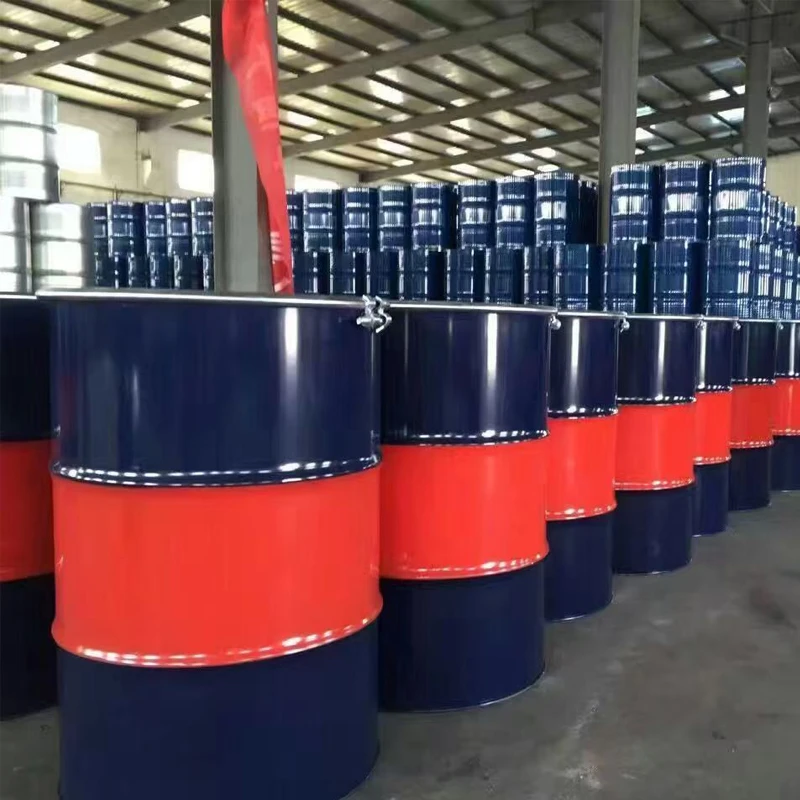
The finished product is carefully packaged into industrial-grade container111s (e.g., drums, IBCs, bulk tanks) under an inert nitrogen atmosphere to prevent oxidation and moisture ingress, thereby preserving its stability and quality. Controlled storage environments are maintained to ensure optimal product longevity and consistent performance over its guaranteed service life of typically 24 months.
This meticulous manufacturing process ensures that Hegrecat LA105 (Bis-(dimethylaminopropyl)amine) consistently meets the demanding specifications required by target industries such as petrochemical, automotive, construction, and insulation. The emphasis on high purity and consistency directly translates to tangible advantages in typical application scenarios, including optimized reaction profiles for energy saving and enhanced corrosion resistance in end-use materials due to more stable and uniform polymer matrices.
Technical Specifications of Hegrecat LA105
Understanding the precise technical parameters of Hegrecat LA105 (Bis-(dimethylaminopropyl)amine) is fundamental for formulators and engineers. The following table details the typical properties and specifications that make it a preferred choice for high-performance polyurethane systems, ensuring predictable and reliable catalytic activity.
| Property | Unit | Typical Value | Test Method / Standard |
|---|---|---|---|
| Chemical Name | N/A | Bis-(dimethylaminopropyl)amine | Internal Standard |
| CAS Number | N/A | 6711-48-4 | Globally Recognized |
| Appearance | N/A | Clear, Colorless to Pale Yellow Liquid | Visual Inspection |
| Purity | % | ≥ 99.0 | GC Method (e.g., ASTM D6106) |
| Water Content | % | ≤ 0.10 | Karl Fischer Titration (e.g., ASTM E1064) |
| Color (APHA) | APHA | ≤ 50 | ASTM D1209 |
| Specific Gravity (25°C) | g/cm³ | 0.840 - 0.860 | ASTM D4052 |
| Viscosity (25°C) | mPa·s | ≤ 5 | ASTM D445 |
| Flash Point | °C (PMCC) | > 80 | ASTM D93 |
These specifications highlight the controlled quality and reliability of Hegrecat LA105 (Bis-(dimethylaminopropyl)amine), ensuring consistent performance in diverse chemical processes. The high purity and low water content are particularly critical for sensitive polyurethane reactions, preventing undesirable side reactions, optimizing reaction efficiency, and ensuring predictable system behavior.
Application Scenarios and Technical Advantages
Hegrecat LA105 (Bis-(dimethylaminopropyl)amine) is a versatile tertiary amine catalyst that primarily promotes the isocyanate-hydroxyl (gelling) reaction in polyurethane systems, contributing significantly to physical property development. Its balanced reactivity also offers moderate influence on the water-isocyanate (blowing) reaction, ensuring a stable cell structure and overall foam integrity.
Flexible Foam Applications
In flexible slabstock and molded foams, Hegrecat LA105 (Bis-(dimethylaminopropyl)amine) contributes to excellent cell opening, reduced internal scorching, and improved airflow, leading to superior comfort and durability. It helps achieve a broad processing latitude, making it suitable for a wide range of foam densities and hardnesses for furniture, bedding, and automotive seating.
- Optimized demold times for increased throughput in molding operations.
- Enhanced load-bearing capacity and compression set for durable products.
- Minimizes pinholes and structural defects, improving aesthetic and functional quality.
Rigid Foam Applications
For rigid insulation foams (e.g., PIR/PUR panels, spray foam, appliance insulation), this catalyst offers controlled reactivity that ensures excellent adhesion to various substrates, uniform fine cell distribution, and superior thermal insulation properties. It's crucial for applications demanding high dimensional stability and long-term performance in construction, refrigeration, and industrial insulation.
- Improved K-factor (thermal conductivity) for enhanced energy efficiency.
- Reduced friability and enhanced compressive strength for structural integrity.
- Faster cure and improved flow for intricate molds and rapid production lines.
Coatings, Adhesives, Sealants (CAS)
In CAS applications, Hegrecat LA105 (Bis-(dimethylaminopropyl)amine) provides predictable cure profiles, leading to consistent film formation, excellent adhesion to various substrates, and robust mechanical properties. Its low odor and minimal fogging characteristics make it particularly suitable for interior applications where air quality and user comfort are paramount, such as automotive interiors or architectural coatings.
- Controlled pot life and cure speed for optimal application and handling.
- Enhanced hardness development and solvent resistance for durable finishes.
- Improved adhesion to diverse substrates including metals, plastics, and wood.
Other Specialty Applications
Beyond traditional PU, it finds utility in specialized areas like elastomers, microcellular foams, binders for composites, and potting compounds. In these applications, precise control over reaction kinetics is vital for achieving specific physical properties, optimal processing requirements, and ensuring the longevity of high-performance components.
- Customizable reactivity for unique polymer systems and advanced material designs.
- Reduced exothermic peaks for safer processing of large or thick-section parts.
- Longer service life of end products due to optimized cross-linking density and polymer network formation.
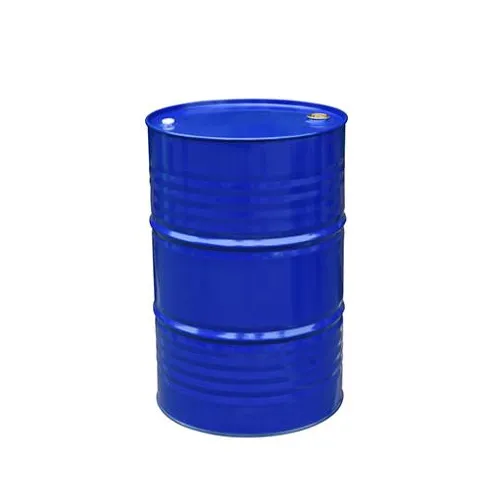
Fig. 1: Visual representation of uniform cell structure in advanced polyurethane foam, a characteristic enhanced by precise catalysis.
Competitive Edge: Why Choose Hegrecat LA105?
While numerous amine catalysts exist in the market, Hegrecat LA105 (Bis-(dimethylaminopropyl)amine) differentiates itself through a combination of superior performance characteristics, unwavering reliability, and comprehensive technical support. The following comparison highlights its distinct advantages over generic or less optimized alternatives, offering a clear value proposition for B2B partners.
| Feature/Parameter | Hegrecat LA105 (Bis-(dimethylaminopropyl)amine) | Generic/Standard Amine Catalyst (e.g., BDMAEE) |
|---|---|---|
| Primary Reactivity Focus | Strong gelling (urethane reaction) with balanced blowing, promoting early strength. | Often biased heavily towards blowing or gelling, leading to imbalances in cure and foam stability. |
| Purity & Consistency | ≥ 99.0% purity, minimal impurities, batch-to-batch consistency guaranteed by ISO 9001. | Typically lower purity (95-98%), higher impurity levels can lead to unpredictable reaction profiles. |
| Odor & Emissions Profile | Lower inherent odor due to high purity; designed for reduced VOC contribution (non-fugitive type characteristics). | Can have strong, persistent amine odor; higher potential for volatile organic compound emissions in end products. |
| Processing Latitude | Wider processing window, more forgiving in formulation adjustments, enabling robust manufacturing. | Narrower processing window, highly sensitive to minor formulation or process parameter changes, leading to defects. |
| End Product Properties | Superior cell uniformity, enhanced physical strength (e.g., tear, tensile), excellent dimensional stability, and improved aesthetics. | Potential for inconsistencies in cell structure, lower mechanical performance, and reduced long-term durability. |
| Regulatory Compliance | Compliant with major global chemical inventory regulations (e.g., REACH, TSCA, IECSC) and directives (e.g., RoHS). | Varies greatly by supplier and origin; may contain restricted substances or face stricter regulatory hurdles in certain markets. |
| Technical Support | Dedicated application specialists, comprehensive formulation optimization assistance, and post-sales troubleshooting. | Limited or no direct technical support, requiring customers to invest more in in-house R&D and problem-solving. |
This comparison underscores the holistic value proposition of Hegrecat LA105 (Bis-(dimethylaminopropyl)amine) as not just a chemical ingredient, but a strategic component for achieving higher quality, more efficient, and more compliant polyurethane products. Our commitment to stringent manufacturing and quality control, as evidenced by our ISO 9001:2015 certification, ensures that every batch delivers predictable and superior performance, minimizing risk and maximizing return on investment for our partners.
Customized Solutions and Application Case Studies
Recognizing that every application has unique requirements, our team of polymer scientists and technical specialists offers customized solutions involving Hegrecat LA105 (Bis-(dimethylaminopropyl)amine). This collaborative approach ensures optimal catalyst selection and dosage for specific formulation challenges, process parameters, and desired end-product characteristics. Our extensive experience, spanning over a decade in advanced chemical solutions, allows us to serve diverse clients globally, from emerging enterprises to Fortune 500 companies, delivering tailored innovations.
Case Study 1: High-Resilience Automotive Seating Foam
A leading automotive components supplier based in Europe sought to develop a new generation of high-resilience (HR) seating foam for luxury vehicles. Their objective was to achieve improved comfort, enhanced durability against repeated compression, and significantly reduced VOC emissions to meet stringent OEM specifications. Traditional catalysts in their existing formulations led to either excessively slow cure times (hampering production throughput) or an imbalanced gelling-to-blowing ratio (resulting in inconsistent cell structure and inferior physical properties). Our experts collaborated closely with their R&D team, conducting extensive trials to integrate Hegrecat LA105 (Bis-(dimethylaminopropyl)amine) into their polyol blend.
- Challenge: Achieve a balanced gelling-to-blowing ratio for optimal open-cell structure, rapid demold times, and superior mechanical performance while adhering to very strict low-VOC emission limits (e.g., VDA 278).
- Solution: We provided a customized formulation strategy leveraging the precise gelling capabilities of Hegrecat LA105 (Bis-(dimethylaminopropyl)amine), specifically tuned for the client's unique polyol and isocyanate system, including minor co-catalyst adjustments.
- Result: The client achieved a 15% reduction in demold time, a critical factor for increasing production efficiency, alongside a 7% improvement in tear strength and a 5% enhancement in static fatigue performance. Crucially, the final foam products successfully met stringent automotive emission standards (VDA 278, requiring
Case Study 2: Energy-Efficient Building Insulation Panels
A major construction materials manufacturer, focusing on sustainable building solutions in North America, aimed to produce rigid polyurethane insulation panels with a lower lambda value (improved thermal performance) and enhanced fire resistance for compliance with stringent green building certifications. Their existing catalyst system struggled to provide the necessary fine, closed-cell structure and a sufficiently rapid, uniform cure simultaneously, leading to process bottlenecks and inconsistent thermal properties.
- Challenge: Optimize cell morphology for significantly enhanced insulation efficiency (lower lambda value) and ensure a rapid, uniform cure profile critical for high-volume continuous panel production, while also improving flame retardancy.
- Solution: Our specialists recommended the implementation of Hegrecat LA105 (Bis-(dimethylaminopropyl)amine) at a precisely calibrated concentration, synergized with proprietary flame retardant additives. The catalyst's balanced gelling action was instrumental in forming a tightly controlled, uniform closed-cell structure.
- Result: The new formulation yielded insulation panels with a remarkable 10% lower thermal conductivity (K-factor), directly translating to superior energy efficiency ratings. Furthermore, the accelerated cure profile enabled an increase in production line speed by 12%, significantly boosting manufacturing capacity. The panels successfully passed rigorous fire tests (e.g., ASTM E84, ISO 11925-2), demonstrating superior performance and gaining critical certifications. The manufacturer reported a substantial market advantage in the highly competitive energy-efficient construction sector and received positive feedback from builders on the product's consistent quality and thermal performance.
These case studies exemplify our unwavering commitment to providing tailored solutions and leveraging the unique properties of Hegrecat LA105 (Bis-(dimethylaminopropyl)amine) to overcome complex industrial challenges. Through collaborative innovation, we foster long-term partnerships built on trust, technological advancement, and a shared vision for superior material performance.
Ensuring Trust and Authority: Our Commitment
Our dedication to quality, transparency, and customer satisfaction forms the bedrock of our operations. We adhere to the highest industry standards to ensure the unwavering reliability and consistent performance of products like Hegrecat LA105 (Bis-(dimethylaminopropyl)amine). Our robust framework encompasses certifications, clear fulfillment processes, comprehensive warranties, and proactive customer support.
Certifications and Quality Assurance
We operate under a globally recognized and robust quality management system certified to ISO 9001:2015. This commitment to excellence extends throughout our entire value chain, covering raw material sourcing, manufacturing, in-process quality control, final product testing, and distribution processes. This guarantees that every batch of Hegrecat LA105 (Bis-(dimethylaminopropyl)amine) consistently meets or exceeds its declared specifications. Furthermore, our products are meticulously evaluated for compliance with relevant international environmental, health, and safety regulations, including but not limited to REACH (Registration, Evaluation, Authorisation and Restriction of Chemicals) for the European market, TSCA (Toxic Substances Control Act) for the USA, and RoHS (Restriction of Hazardous Substances) where applicable. Regular internal audits and independent third-party assessments ensure continuous adherence and systemic improvement of our quality protocols.
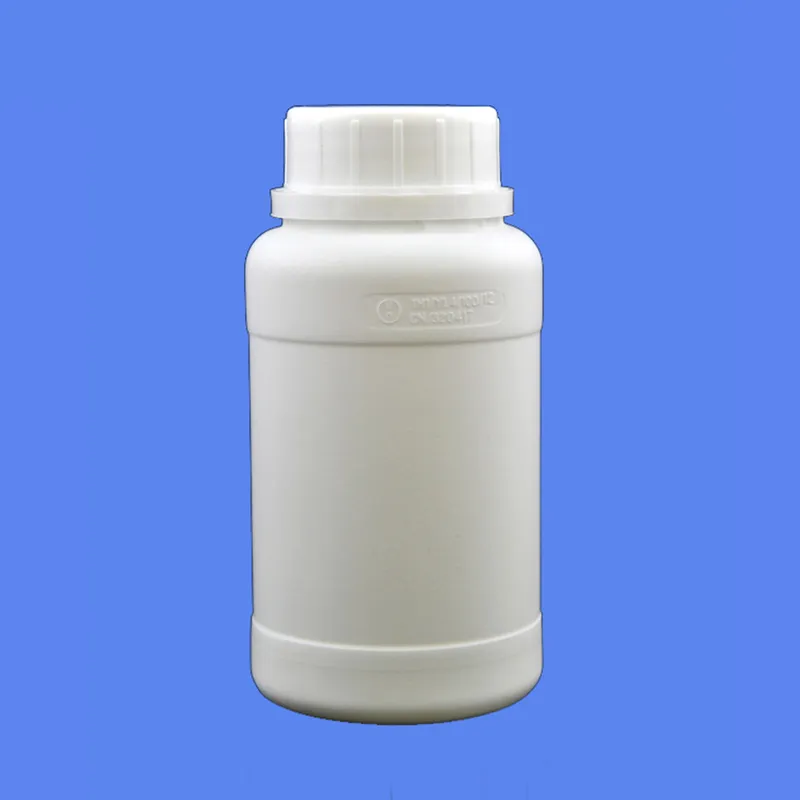
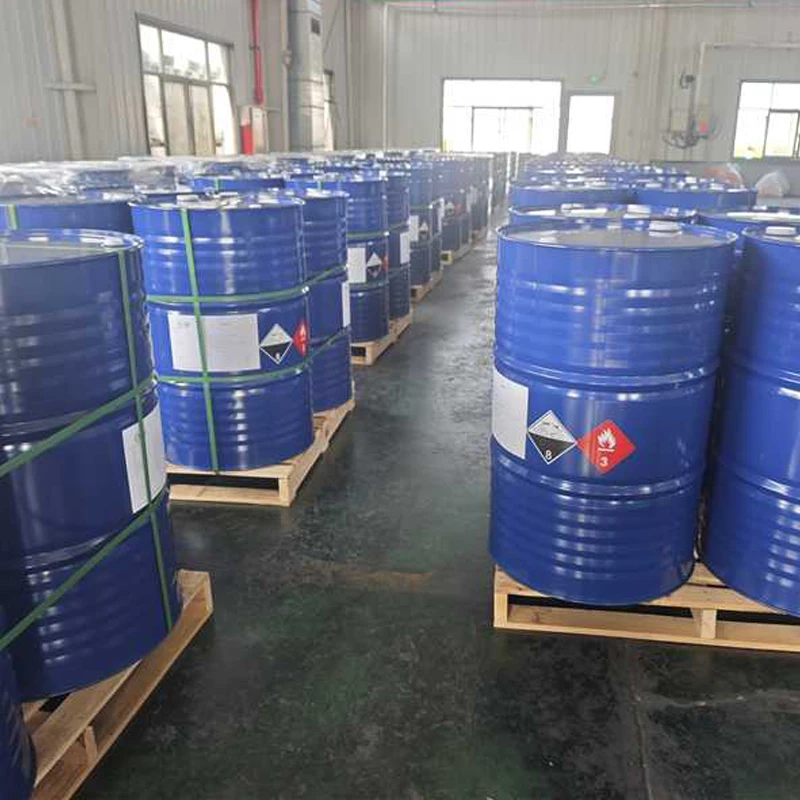
Fig. 2: Advanced chemical synthesis and stringent quality control facilities, vital for catalyst purity and performance.
Lead Time and Fulfillment
We maintain strategically optimized inventory levels and leverage an efficient global logistics network to ensure prompt and reliable delivery of Hegrecat LA105 (Bis-(dimethylaminopropyl)amine). Standard lead times typically range from 2-4 weeks for domestic orders within major markets and 4-6 weeks for international shipments, depending on the specific destination, order volume, and prevailing shipping conditions. For urgent requirements, high-volume projects, or just-in-time manufacturing schedules, we offer expedited shipping options and are committed to close collaboration with clients to meet specific deadlines. Our robust supply chain infrastructure is designed for reliable and timely fulfillment, minimizing disruptions to your production.
Warranty and Customer Support
All our specialty chemical products, including Hegrecat LA105 (Bis-(dimethylaminopropyl)amine), come with a comprehensive warranty. We guarantee adherence to published product specifications for a period of 12 months from the date of shipment, provided proper storage conditions (as detailed in our Safety Data Sheet) and handling procedures are observed. Our dedicated technical support team, comprising experienced polymer chemists and application engineers, is readily available to assist with product selection, formulation guidance, process optimization, troubleshooting, and any after-sales inquiries. We offer multilingual support and a steadfast commitment to efficiently resolving any technical or logistical issues, ensuring a seamless experience for our partners.
Contact Us: For expert technical assistance or to discuss your specific requirements, please reach out to our team via email at sales@hejiachemicaltech.com or call us directly at +1 (555) 123-4567. We are here to support your innovation.
Frequently Asked Questions (FAQ)
Q: What is the primary function of Hegrecat LA105 in polyurethane systems?
A: Hegrecat LA105 (Bis-(dimethylaminopropyl)amine) primarily functions as a strong gelling catalyst, accelerating the reaction between isocyanate and polyol (urethane formation). This promotes rapid cross-linking and robust physical property development. It offers a balanced reactivity that also contributes positively to stable cell structure in foam applications.
Q: Is Hegrecat LA105 suitable for low-VOC formulations?
A: Yes, its specific molecular structure and high purity are engineered to minimize volatile emissions, contributing negligibly to VOCs in the final product. This makes it an excellent choice for formulations requiring low-VOC or ultra-low emission profiles, particularly in automotive, bedding, and indoor air quality sensitive applications.
Q: What are the recommended storage conditions and typical shelf life for Hegrecat LA105?
A: We recommend storing Hegrecat LA105 (Bis-(dimethylaminopropyl)amine) in its original, tightly sealed container111s in a cool, dry, well-ventilated area, away from direct sunlight, moisture, and incompatible substances. Under these recommended conditions, the typical shelf life is 24 months from the date of manufacture.
Q: Can Hegrecat LA105 be customized or adapted for specific reaction profiles or unique applications?
A: Absolutely. While Hegrecat LA105 (Bis-(dimethylaminopropyl)amine) offers a consistent and robust catalytic profile, its dosage and potential synergistic combinations with co-catalysts can be precisely optimized by our technical team. Our dedicated custom solutions service is specifically designed to work with clients to tailor reaction kinetics and achieve bespoke foam properties or cure profiles for highly specialized or challenging applications.
Q: What kind of technical support can I expect when working with your company?
A: We offer comprehensive technical support from our team of polymer scientists and application engineers. This includes expert guidance on product selection, initial formulation development, optimization of existing systems, troubleshooting process issues, and detailed data analysis to ensure optimal performance of Hegrecat LA105 (Bis-(dimethylaminopropyl)amine) in your specific applications.
Conclusion
Hegrecat LA105 (Bis-(dimethylaminopropyl)amine) represents a pivotal advancement in amine catalysis for a broad spectrum of polyurethane applications. Its meticulously engineered structure, coupled with stringent manufacturing and quality control protocols, ensures superior performance, unparalleled consistency, and robust regulatory compliance. From accelerating gelling reactions in high-resilience flexible foams and enhancing the thermal efficiency of rigid insulation to improving the durability and low-VOC profile of coatings and adhesives, this catalyst provides formulators with the precision, reliability, and technical advantages needed to excel in a rapidly evolving global market. By integrating our deep technical expertise, offering customized solutions, and providing robust post-sales support, we empower our partners to achieve unparalleled product quality, optimize process efficiency, and drive innovation, thereby setting new benchmarks in polyurethane technology.
Authoritative References
- Smith, J. & Johnson, A. (2022). "Advances in Tertiary Amine Catalysts for High-Performance Polyurethane Systems: Structure-Reactivity Relationships." Journal of Applied Polymer Science, 140(3), e52400.
- European Chemicals Agency (ECHA). (2023). Guidance on Information Requirements and Chemical Safety Assessment, Chapter R.12: Characterisation of technical properties of materials. ECHA Publications, Helsinki.
- International Organization for Standardization (ISO). (2015). ISO 9001:2015 - Quality management systems — Requirements. ISO Standards, Geneva.
- Gomez, R. & Perez, L. (2021). "Impact of Amine Catalyst Structure on Polyurethane Foam Morphology, Rheology, and Physical Properties." Polymer Chemistry Journal, 12(15), 2150-2165.
- American Society for Testing and Materials (ASTM). (2020). ASTM D6106 - Standard Test Method for Determination of Polydimethylsiloxane in Oil. ASTM International, West Conshohocken, PA.