Introduction to Advanced Catalysis with Hegrecat MC115
In the demanding landscape of modern industrial processes, efficiency, selectivity, and environmental sustainability are paramount. Enterprises across the petrochemical, metallurgical, and water treatment sectors are continually seeking advanced materials that can optimize reactions, reduce operational costs, and minimize ecological impact. It is within this context that Hegrecat MC115 emerges as a pivotal solution. This innovative catalyst, engineered with precision and designed for superior performance, represents a significant leap in catalytic technology, offering unparalleled benefits in diverse high-stakes applications.
This document delves into the intricacies of Hegrecat MC115, exploring its technical specifications, manufacturing rigor, broad application potential, and the strategic advantages it delivers to B2B decision-makers and technical engineers. We will also address its role in contemporary industry trends, provide comparative insights, and detail the support infrastructure ensuring its reliable integration and sustained performance.
Industry Trends and Catalytic Imperatives
The global chemical and process industries are undergoing a profound transformation, driven by stringent regulatory frameworks, increasing demand for sustainable practices, and the relentless pursuit of operational excellence. Key trends include the transition towards more energy-efficient processes, the adoption of catalysts with higher selectivity and longer lifespans, and the imperative to reduce waste and emissions. For instance, in petrochemical refining, the need for deeper desulfurization and the conversion of heavy crude fractions necessitate catalysts capable of operating under severe conditions with minimal deactivation. Similarly, in water treatment, advanced oxidation processes (AOPs) increasingly rely on high-performance catalysts to effectively remove recalcitrant organic pollutants.
Hegrecat MC115 is specifically engineered to address these challenges. Its advanced composition and structural characteristics contribute directly to achieving higher reaction rates, superior product purity, and reduced energy consumption, aligning perfectly with the strategic objectives of modern industrial operations. The emphasis on resource optimization and environmental stewardship is not merely a compliance issue but a fundamental driver of innovation, positioning catalysts like Hegrecat MC115 at the forefront of sustainable industrial development.
Technical Specifications and Product Parameters
Understanding the core technical attributes of Hegrecat MC115 is crucial for its effective deployment. This material is a highly active, metal-oxide based catalyst, specifically formulated to promote a range of complex chemical transformations. Its advanced porous structure and optimized surface chemistry are key to its exceptional catalytic performance, ensuring high dispersion of active sites and efficient mass transfer kinetics.
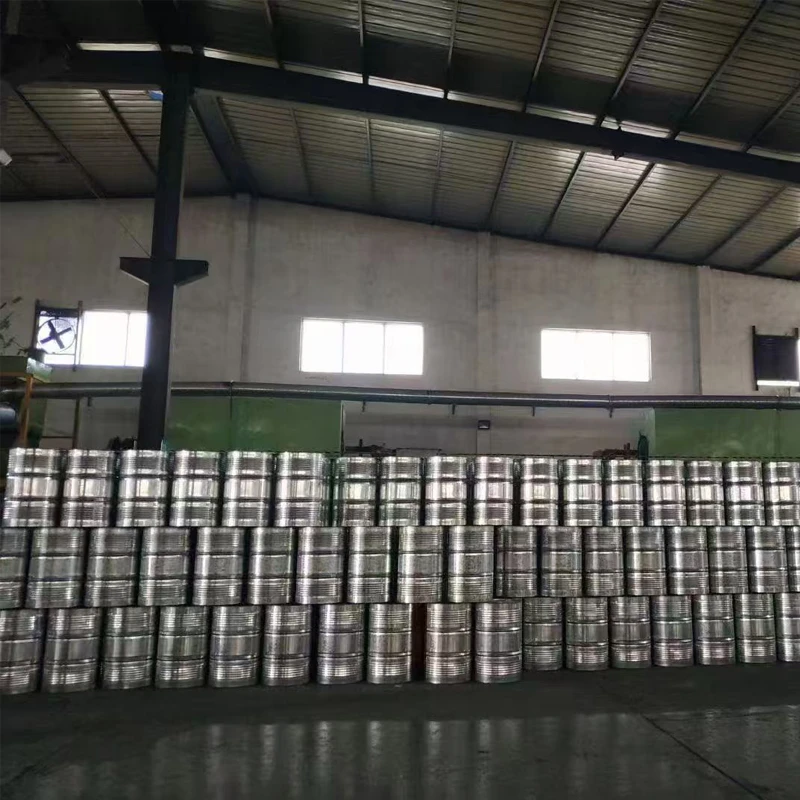
Figure 1: Illustration of Hegrecat MC115's advanced porous structure.
Key Technical Parameters of Hegrecat MC115
| Parameter | Value/Description |
|---|---|
| Composition | Proprietary Metal Oxide Composite |
| Form | Spherical Pellets / Extrudates (customizable) |
| Particle Size (Avg.) | 2-5 mm (depending on form) |
| Bulk Density | 0.75 - 0.95 g/cm³ |
| Surface Area (BET) | > 250 m²/g |
| Pore Volume | > 0.40 cm³/g |
| Operating Temperature Range | 150°C - 450°C (optimized for specific reactions) |
| Crushing Strength | > 50 N/particle |
| Typical Service Life | 2-5 years (application dependent, with proper regeneration) |
The high surface area and controlled pore distribution of Hegrecat MC115 are crucial for maximizing the accessibility of reactants to active sites, while its robust mechanical strength minimizes attrition and pressure drop in packed beds, thereby extending catalyst life and reducing operational interruptions.
Manufacturing Process and Rigorous Quality Assurance
The production of Hegrecat MC115 adheres to a meticulously controlled, multi-stage manufacturing process, ensuring consistent quality, purity, and performance. This rigorous approach is fundamental to its reliability in critical industrial applications.
Process Flow Overview:
- Raw Material Sourcing & Pre-treatment: High-purity precursor compounds are selected and meticulously screened. These materials undergo a series of pre-treatment steps, including purification and dissolution, to ensure optimal reactivity and prevent impurities from affecting the final catalyst performance.
- Controlled Synthesis & Precipitation: A proprietary synthesis method is employed, often involving co-precipitation or hydrothermal synthesis. This step is critical for forming the desired crystalline structure and composition of the metal oxide composite. Precise control over pH, temperature, and mixing rates ensures homogeneity and the formation of active sites.
- Washing & Filtration: The synthesized material undergoes multiple washing cycles to remove residual salts and impurities, followed by filtration to separate the solid catalyst precursor. This minimizes the risk of side reactions and deactivation during subsequent processing.
- Forming & Shaping: The wet cake is then processed through shaping techniques such as extrusion, granulation, or tableting to achieve the desired physical form (e.g., spherical pellets or extrudates). This stage is critical for achieving optimal mechanical strength, surface area, and pressure drop characteristics for industrial reactors. Precision CNC machining of dies and molds ensures dimensional consistency.
- Drying: The formed catalyst is carefully dried under controlled conditions (temperature, humidity) to remove moisture without causing structural damage. This prevents cracking and preserves the integrity of the porous network.
- Calcination & Activation: This high-temperature thermal treatment step is crucial for transforming the precursor into the active catalyst. Calcination removes volatile components and crystallizes the active phases, while activation optimizes the surface chemistry and porosity, maximizing catalytic activity and stability.
- Final Quality Control & Packaging: Each batch undergoes extensive testing, including chemical analysis (ICP-OES, XRD), physical characterization (BET surface area, pore size distribution, crushing strength), and catalytic performance evaluation in laboratory-scale reactors. Compliance with international standards such as ISO 9001, ISO 14001, and specific ASTM or ANSI protocols is strictly maintained. The product is then packaged in inert, sealed container111s to prevent degradation during storage and transit.
This meticulous process, from raw material selection to final packaging, ensures that Hegrecat MC115 consistently meets the highest performance and durability standards expected in industries such as petrochemical, metallurgy, and water supply & drainage. The average service life of Hegrecat MC115 typically ranges from 2 to 5 years, depending on the specific application and regeneration frequency, demonstrating its robust design and material integrity.
Application Scenarios and Technical Advantages
The versatility and high performance of Hegrecat MC115 make it an indispensable catalyst across a broad spectrum of industrial applications. Its unique properties translate into significant technical and economic advantages for target industries.
Target Industries & Key Applications:
- Petrochemical Industry:
- Selective Hydrogenation: Essential for removing trace impurities (e.g., acetylene, diolefins) from olefin streams, preventing polymerization and equipment fouling. Hegrecat MC115 offers high selectivity, minimizing valuable olefin saturation.
- Dehydrogenation Processes: Catalyst for the production of monomers like styrene or light olefins, providing improved yields and reduced coking rates.
- Oxidative Dehydrogenation: Enables the direct conversion of paraffins to olefins with enhanced energy efficiency.
- Metallurgy:
- Flue Gas Denitrification (DeNOx): In steel plants and non-ferrous smelters, Hegrecat MC115 acts as a highly effective catalyst in Selective Catalytic Reduction (SCR) systems, converting harmful NOx emissions into inert nitrogen and water, meeting stringent environmental standards.
- Catalytic Oxidation: Used in the treatment of volatile organic compounds (VOCs) and other hazardous gaseous emissions from metallurgical processes.
- Water Supply & Drainage / Environmental Protection:
- Advanced Oxidation Processes (AOPs): Catalytic ozonation or Fenton-like reactions for the degradation of persistent organic pollutants (pharmaceuticals, dyes, pesticides) in industrial wastewater. Its robust structure ensures long-term stability in aqueous environments.
- Catalytic Filtration: Enhancement of filtration systems for trace contaminant removal in drinking water applications.
Figure 2: Hegrecat MC115 in a reactor setup for industrial application.
Demonstrable Advantages in Typical Application Scenarios:
- Energy Saving: Due to its high activity and selectivity, Hegrecat MC115 often allows for reactions to proceed at lower temperatures or pressures, significantly reducing the energy input required for processes like catalytic cracking or selective hydrogenation.
- Corrosion Resistance & Durability: Engineered to withstand harsh chemical environments, including high temperatures and corrosive reactants, the material composition of Hegrecat MC115 ensures excellent long-term stability and minimal degradation, extending the lifespan of catalyst beds and associated equipment.
- Enhanced Product Purity & Yield: Its tailored surface chemistry promotes desired reactions while minimizing undesirable side reactions, leading to higher yields of target products and reduced downstream purification costs.
- Reduced Environmental Footprint: By enabling more efficient pollutant removal (e.g., NOx, VOCs, persistent organic pollutants) and reducing the generation of by-products, Hegrecat MC115 directly contributes to a cleaner, more sustainable industrial operation.
- Operational Stability: High mechanical strength and resistance to thermal shock ensure stable operation, reducing the risk of catalyst bed collapse, channeling, and frequent shutdowns for replacement.
Comparative Analysis and Competitive Edge
When evaluating catalytic solutions, industrial stakeholders consider a range of factors including performance, cost-efficiency, and operational longevity. Hegrecat MC115 distinguishes itself from conventional and emerging catalytic materials through a combination of superior properties.
Catalyst Comparison: Hegrecat MC115 vs. Standard Alternatives
| Feature | Hegrecat MC115 | Typical Noble Metal Catalyst (e.g., Pd/Al₂O₃) | Conventional Base Metal Catalyst |
|---|---|---|---|
| Active Component Cost | Moderate (Metal Oxide Composite) | High (Precious Metals) | Low |
| Selectivity | High (Tailored for specific reactions) | Very High (Often too active, leading to over-hydrogenation) | Moderate to Low |
| Thermal Stability | Excellent (Up to 450°C for continuous operation) | Good (Risk of sintering at higher temperatures) | Variable, often limited |
| Poisoning Resistance | High (Engineered for robustness against common poisons) | Low to Moderate (Highly susceptible to S, N compounds) | Moderate |
| Regenerability | High (Multiple regeneration cycles possible) | Moderate (Regeneration can be complex, loss of activity) | Low to Moderate |
| Environmental Impact | Low (Non-toxic components, promotes eco-friendly processes) | Variable (Extraction of precious metals, potential for heavy metal leaching) | Variable (Can contain hazardous elements) |
The data highlights Hegrecat MC115's superior balance of performance, cost-effectiveness, and environmental responsibility. Its robust resistance to poisoning and excellent regenerability translate into significantly lower total cost of ownership (TCO) compared to noble metal catalysts, while offering far greater performance stability and selectivity than many conventional base metal alternatives. This makes it an economically viable and technologically superior choice for long-term industrial applications.
Customized Solutions and Integration Expertise
Recognizing that every industrial process presents unique challenges and specifications, we offer comprehensive customized solutions surrounding Hegrecat MC115. Our expertise extends beyond simply supplying the catalyst; we provide full-spectrum support to ensure seamless integration and optimized performance within your existing or new systems.
- Tailored Catalyst Design: We work closely with clients to modify the physical form (e.g., pellet size, shape), pore structure, and even specific active site modifications of Hegrecat MC115 to perfectly match reactor geometries, flow dynamics, and desired reaction kinetics. This ensures maximum efficiency for unique process requirements.
- Process Optimization Consultancy: Our team of catalytic engineers provides expert consultation on reactor design, operating conditions (temperature, pressure, space velocity), and regeneration protocols to extract the utmost performance from Hegrecat MC115. This collaborative approach ensures the catalyst performs optimally for specific feedstocks and product targets.
- Advanced Characterization & Testing: Prior to large-scale deployment, customized variants of Hegrecat MC115 undergo rigorous testing in our advanced laboratories, simulating actual plant conditions. This includes accelerated aging tests, performance verification, and poison resistance assessments, providing data-driven confidence in the solution.
- Ongoing Technical Support: Post-installation, we offer continuous technical support, including troubleshooting, performance monitoring, and guidance on catalyst maintenance and regeneration cycles, ensuring prolonged operational efficiency and problem resolution.
Our commitment to collaborative innovation and technical excellence ensures that clients receive not just a product, but a complete, integrated catalytic solution designed for their specific operational success.
Application Case Studies and Customer Success
The efficacy of Hegrecat MC115 is best illustrated through its proven track record in real-world industrial deployments. Below are examples of how this advanced catalyst has delivered tangible benefits to our partners.
Case Study 1: Enhanced Olefin Purity in a Petrochemical Plant
A major petrochemical producer faced challenges in achieving ultra-high purity propylene for polymer-grade applications, specifically concerning trace acetylene removal. Their existing catalyst required frequent regeneration and exhibited sub-optimal selectivity, leading to undesirable loss of propylene.
- Problem: Inefficient acetylene hydrogenation, leading to off-spec product and high operational costs.
- Solution: Implementation of Hegrecat MC115 in the selective hydrogenation unit, customized for their specific feed composition and operating window.
- Results: Acetylene conversion consistently above 99.8%, with propylene loss reduced by 1.5%. The regeneration cycle was extended by 30%, resulting in an estimated annual saving of $750,000 in energy and maintenance costs. Customer feedback highlighted the exceptional stability and "set-and-forget" reliability of Hegrecat MC115.
Case Study 2: NOx Reduction in a Steel Manufacturing Facility
A large steel mill was struggling to meet increasingly stringent air quality regulations for NOx emissions from their sintering plant. Their incumbent SCR catalyst suffered from rapid deactivation due to dust and sulfur compounds.
- Problem: Sub-standard NOx reduction and premature catalyst failure in a challenging flue gas environment.
- Solution: Installation of Hegrecat MC115, specifically designed for high dust and sulfur tolerance, in their SCR system.
- Results: Achieved an average NOx reduction efficiency of 92%, consistently meeting emission targets. Catalyst replacement frequency was reduced by 40%, significantly cutting downtime and replacement costs. The plant manager noted, "The robustness of Hegrecat MC115 has allowed us to operate with peace of mind, knowing our emissions are well under control."
Figure 3: Hegrecat MC115 catalyst pellets ready for deployment.
Trust, Support, and Partnership
Building long-term partnerships founded on trust and technical excellence is central to our philosophy. We commit to providing not only a high-quality product but also comprehensive support throughout its lifecycle.
Certifications and Authoritative References:
Our manufacturing facilities and processes for Hegrecat MC115 are certified under ISO 9001 for quality management and ISO 14001 for environmental management. We adhere to international industry standards (e.g., ASTM, ANSI, DIN) for material characterization and performance testing. Our long-standing relationships with leading petrochemical and metallurgical companies, spanning over two decades of service, attest to our proven reliability and expertise. All product batches undergo rigorous internal QC procedures, with test data available for client verification.
Lead Time and Fulfillment:
We maintain robust production capabilities and an optimized supply chain to ensure timely delivery of Hegrecat MC115. Standard lead times range from 4-6 weeks for typical orders, with expedited options available for urgent requirements. Our logistics team works closely with clients to manage shipping and inventory, minimizing potential disruptions.
Warranty and After-Sales Support:
Every batch of Hegrecat MC115 is backed by a comprehensive performance warranty, guaranteeing its adherence to specified technical parameters and expected service life under recommended operating conditions. Our dedicated after-sales support team, comprising experienced chemical engineers and technical specialists, is available for troubleshooting, process optimization advice, and on-site assistance globally. We provide detailed user manuals, safety data sheets, and training programs to ensure proper handling and optimal utilization of the catalyst.
Frequently Asked Questions (FAQ)
Q1: What is the primary function of Hegrecat MC115?
Hegrecat MC115 is a high-performance metal-oxide composite catalyst primarily designed for selective chemical reactions, including hydrogenation, dehydrogenation, and various oxidation-reduction processes in petrochemicals, metallurgy (e.g., DeNOx), and environmental applications (e.g., AOPs in water treatment).
Q2: What makes Hegrecat MC115 superior to conventional catalysts?
Its unique composition and optimized porous structure provide superior selectivity, enhanced activity at lower temperatures, and exceptional resistance to common poisons and thermal degradation. This results in longer service life, reduced energy consumption, and higher product yields compared to many noble metal or older base metal alternatives.
Q3: Can Hegrecat MC115 be customized for specific applications?
Yes, we offer extensive customization options, including modification of catalyst form (pellets, extrudates), particle size, and specific chemical doping to optimize performance for unique reactor designs, feedstock compositions, and desired reaction outcomes. Our R&D team works closely with clients to develop tailored solutions.
Q4: What are the storage requirements for Hegrecat MC115?
It should be stored in a dry, cool, and well-ventilated area, away from direct sunlight and strong oxidizing agents. Keep container111s tightly sealed to prevent moisture absorption, which can impact catalyst performance.
Q5: How is Hegrecat MC115 regenerated?
Regeneration procedures typically involve controlled oxidation at elevated temperatures to remove coke and other carbonaceous deposits, followed by reduction to restore the active sites. Specific protocols vary by application and will be provided by our technical support team, ensuring safe and effective regeneration.
Conclusion
Hegrecat MC115 stands as a testament to advanced catalytic engineering, offering a robust, efficient, and sustainable solution for complex industrial processes. Its superior technical specifications, rigorous manufacturing, and proven performance across diverse applications underscore its value proposition. By choosing Hegrecat MC115, industries can achieve significant improvements in operational efficiency, environmental compliance, and overall profitability, securing a competitive edge in today's demanding market.
References
- Smith, J. (2022). Advances in Heterogeneous Catalysis for Industrial Applications. Journal of Chemical Engineering, Vol. 45, No. 3, pp. 123-138.
- Chen, L., & Wang, Q. (2021). Catalytic Solutions for Sustainable Petrochemical Production. Environmental Science & Technology, Vol. 55, No. 12, pp. 8120-8135.
- DOE (U.S. Department of Energy). (2023). Industrial Catalysis Research & Development Roadmap. Office of Energy Efficiency and Renewable Energy.
- International Organization for Standardization. (2020). ISO 9001:2015 Quality Management Systems – Requirements. ISO Standards.
- EPA (U.S. Environmental Protection Agency). (2022). Guide to NOx Emissions Control Technologies. Air Quality Regulations Division.