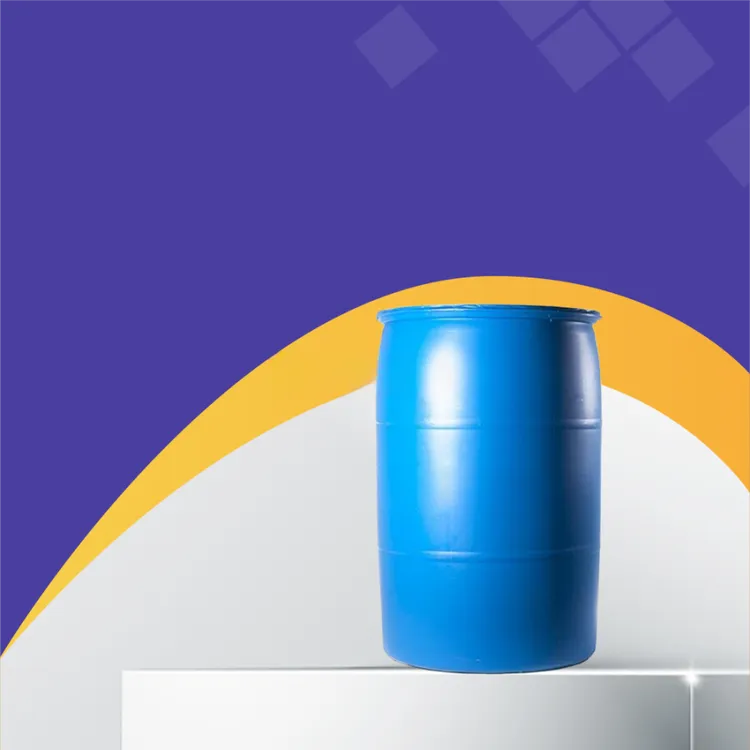
In polyurethane plants, a good catalyst is a bit like a seasoned line supervisor: decisive, calm, and always on time. That’s why many formulators keep Hegrecat MC112 (Dibutyltin Dilaurate) CAS: 77-58-7 on the short list. It’s a pale-yellow, viscous liquid, but don’t let the look fool you—this tin-based workhorse quietly drives urethane formation, balancing gel time with a workable pot life. I’ve seen lines where a tiny tweak in MC112 dosage suddenly made foam cells more uniform and coatings hit spec without drama. Honestly, it’s one of those “small part, big impact” ingredients.
What it does (in plain terms)
Hegrecat MC112 (Dibutyltin Dilaurate) CAS: 77-58-7 catalyzes the urethane (polyol–isocyanate) reaction, accelerating linkages that build the polymer network. In foam, it helps regulate cell formation (read: more consistent structure), which can improve insulation in rigid foams and comfort in flexible foams. In adhesives, sealants, elastomers, and coatings, it promotes cross-linking for better tensile strength, tear resistance, and hardness—without slamming the processing window shut.
Technical specifications (typical)
| Appearance | Pale yellow, viscous liquid |
| Active species | Dibutyltin dilaurate (DBTDL), CAS 77-58-7 |
| Tin content | ≈ 18–19% (typical), real-world use may vary |
| Viscosity (25°C) | ≈ 400–700 mPa·s |
| Recommended dosage | 0.01–0.20 pphp (per 100 parts polyol), application-dependent |
| Storage | 5–30°C, moisture-tight; shelf life around 12–24 months sealed |
| Origin | 80 Hainan Road, Shijiazhuang Economic and Technological Development Area |
Process flow—how it’s actually used
- Materials: polyol blend, isocyanate (MDI/TDI), blowing agent (water/pentane), surfactant, Hegrecat MC112 (Dibutyltin Dilaurate) CAS: 77-58-7, and optional co-catalysts (amine).
- Method: pre-mix MC112 into the polyol at low shear; temperature 20–25°C; add isocyanate; mix 5–10 s (foam) or as per line speed (CASE).
- Testing standards: ASTM D3574 (flexible foam), ASTM D1621 (rigid foam compressive), ISO 2409 (coating adhesion), ASTM D2240/ISO 868 (hardness), ASTM D1002 (adhesive lap shear).
- Service life in end-use: depends on polymer design; MC112 improves cross-linking density, which can extend mechanical durability under heat/solvent stress.
Where it shows up
- Flexible furniture foam and automotive seats (more uniform cells, steadier rise)
- Rigid insulation boards and spray foams (tighter cell structure, better lambda)
- PU adhesives and sealants (faster green strength, controlled cure)
- Industrial coatings and cast elastomers (improved hardness/tensile balance)
Real-world feedback and little data points
Many customers say MC112 reduces gel time ≈ 20–35% vs. no-tin control while keeping cream time workable—exact numbers shift with amine co-catalyst and water content. In one line trial (rigid foam board), density stayed within ±2%, but cell uniformity improved visibly, and edge crush went up by ~8% (ASTM D1621). To be honest, the consistency run-to-run is what wins production managers.
Vendor comparison (indicative)
| Vendor | Purity/Tin | Color index | Moisture | Support |
|---|---|---|---|---|
| Hegrecat MC112 | ≈18–19% Sn | Low (good for clear coats) | ≤0.05% (typ.) | Formula tuning, foam trials |
| Generic A (import) | ≈17–19% Sn | Medium | ≤0.1% | Basic tech sheet |
| Generic B (regional) | ≈18% Sn | Low–medium | ≤0.08% | Limited |
Case snippets
- Furniture foam maker: switching to Hegrecat MC112 (Dibutyltin Dilaurate) CAS: 77-58-7 allowed a 0.02 pphp cut in amine catalyst; odor dropped, cushion feel stayed consistent.
- PU coating line: by nudging MC112 from 0.03 to 0.05 pphp, tack-free time improved by ~15% without blistering (ISO 2409 adhesion passed at GT0–1).
- Construction adhesive: lap shear (ASTM D1002) reached target at 24 h instead of 36 h—useful for fast installs.
Compliance, packaging, and customization
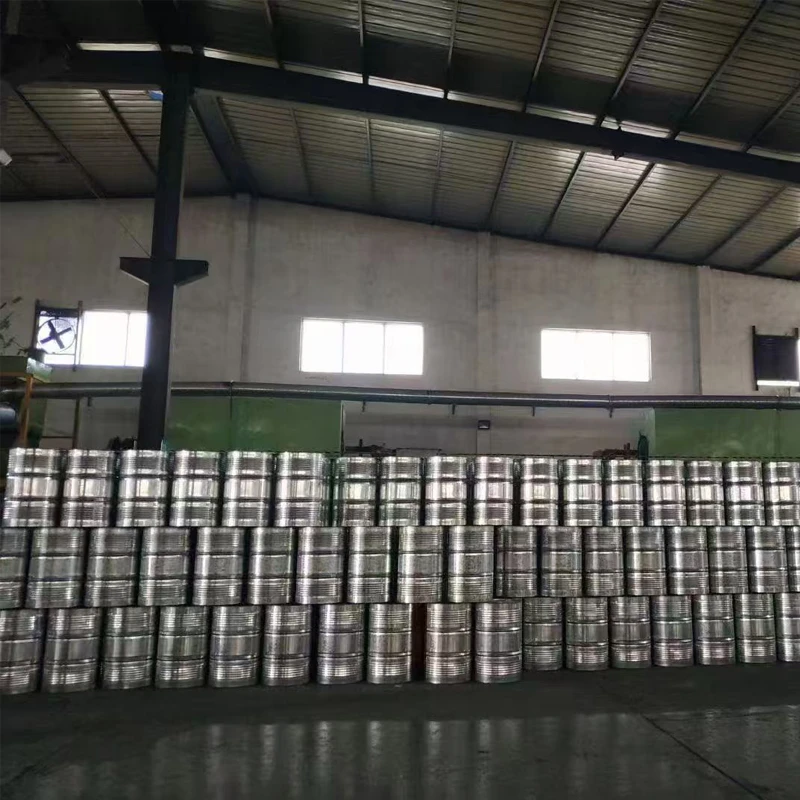
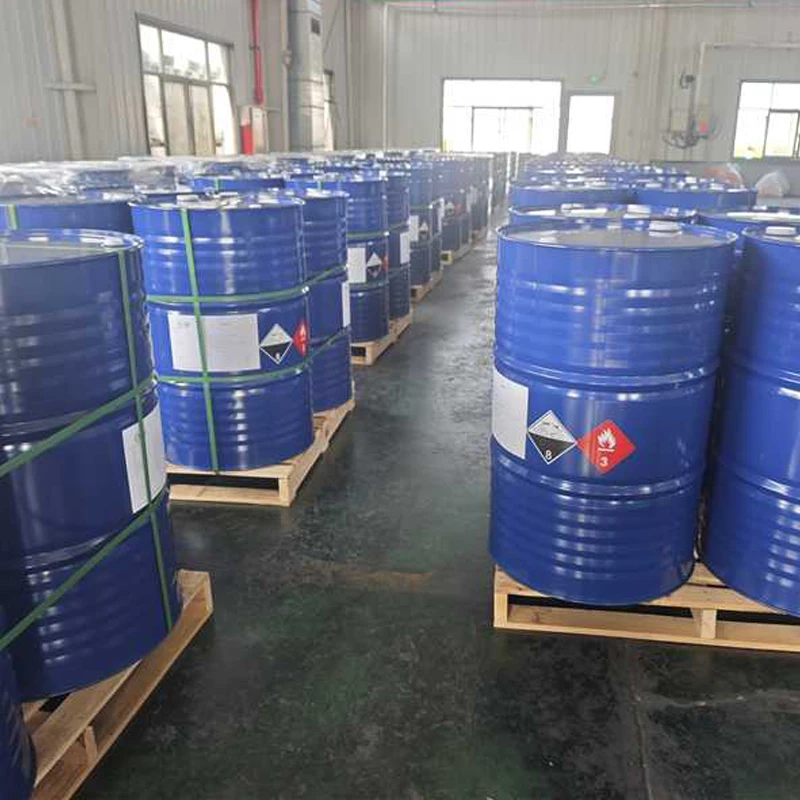
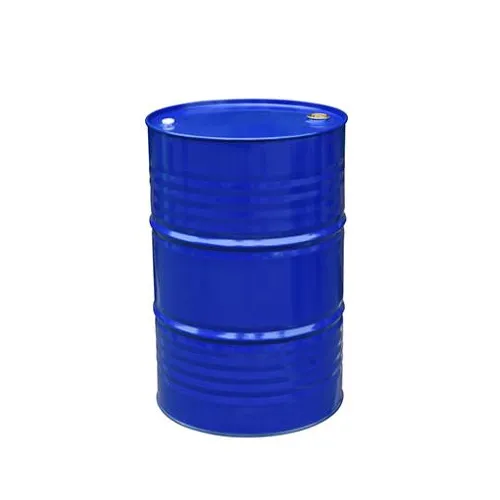
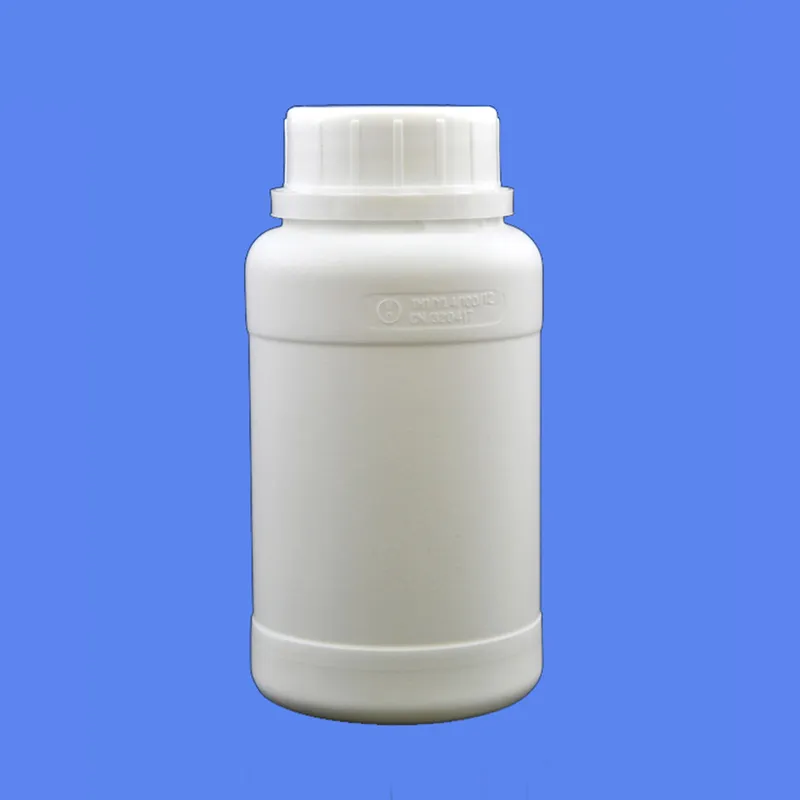
Available with SDS and typical regulatory support (REACH/RoHS statements, ISO 9001/14001 at site level where applicable). Packaging commonly 25 kg pails or 200 kg drums; moisture barrier lining recommended. Customization: tin content control, color index tightening, and co-catalyst pairing advice for MDI- or TDI-heavy systems.
Authoritative citations
- PubChem. Dibutyltin dilaurate (DBTDL), CAS 77-58-7. https://pubchem.ncbi.nlm.nih.gov/compound/6328063
- ECHA REACH Registration dossier: Dibutyltin dilaurate. https://echa.europa.eu/registration-dossier/-/registered-dossier/15543
- ASTM D3574 – Flexible Cellular Materials—Slab, Bonded, and Molded Urethane Foams.
- ASTM D1621 – Compressive Properties of Rigid Cellular Plastics.
- ISO 2409 – Paints and varnishes—Cross-cut test; ISO 868 – Shore hardness.