Introduction to the Triazine Ring
The Triazine Ring is a six-membered aromatic heterocyclic compound containing three nitrogen atoms. This unique structure serves as a foundational framework in various chemical and pharmaceutical applications, particularly in the synthesis of herbicides, resins, dyes, and biologically active molecules. The triazine ring's stability, reactivity, and adaptability make it a critical component in modern material science and drug development. 
Applications in Chemical Synthesis
The triazine ring's versatility is most evident in its applications within chemical synthesis. In the agrochemical industry, triazine derivatives such as atrazine and simazine are widely used as herbicides due to their strong selectivity and environmental stability. These compounds target specific plant enzymes, effectively controlling weeds without harming crops. Triazine-based crosslinkers also play a significant role in polymer chemistry, enhancing the durability and chemical resistance of specialty resins and coatings. The ring's ability to act as an electron-deficient scaffold makes it highly useful in designing advanced organic materials and catalysts.
According to the National Institute of Standards and Technology (NIST), the precise measurement and characterization of such chemical structures are critical for ensuring their efficacy and safety in industrial applications (NIST). This underscores the importance of rigorous quality control in the production of triazine-based compounds.
Pharmaceutical and Biomedical Relevance
Triazine-based structures are increasingly important in pharmaceutical research. Their ability to interact with a range of biological targets makes them valuable in the development of antiviral, anticancer, and antimicrobial agents. For example, triazine derivatives are often incorporated into drug molecules to improve their binding affinity to specific proteins or enzymes. The ring system's stability and synthetic accessibility allow for extensive molecular modification, making it a valuable framework in drug discovery and medicinal chemistry.
The Triazine Ring is also used in the synthesis of biologically active molecules, including those that target cancer cells or inhibit viral replication. Its electron-deficient nature enables it to participate in various biochemical reactions, making it a key component in the development of next-generation therapeutics.
Structural Advantages and Reactivity
The triazine ring exhibits aromaticity, which contributes to its stability and reactivity. This aromaticity allows the ring to undergo various nucleophilic substitution reactions, making it a flexible platform for functionalization. Its symmetric structure and tunable electronic properties are advantageous in material science, including the development of advanced dyes, UV stabilizers, and energy materials.
The ring's ability to act as a ligand in metal-organic frameworks (MOFs) opens opportunities for innovations in catalysis and gas storage technologies. By coordinating with metal ions, triazine rings can enhance the catalytic activity of MOFs, making them useful in environmental remediation and energy storage applications.
Advantages in Material Science and Technology
Beyond pharmaceuticals, the triazine ring has become increasingly relevant in materials science. It is utilized in the synthesis of high-performance polymers and electronic materials, including semiconductors and solar cell components. The electron-deficient nature of the ring allows for effective tuning of material properties, such as conductivity, thermal resistance, and light absorption. These properties make triazine-based materials ideal for applications in flexible electronics, optoelectronics, and photovoltaics.
Additionally, triazine rings are used in the development of advanced dyes and UV stabilizers, which are critical for protecting materials from degradation caused by sunlight. Their ability to absorb and dissipate UV radiation makes them valuable in the production of coatings, plastics, and textiles.
Company Background: Hebei Hejia Pharmaceutical Technology Group Co., Ltd.
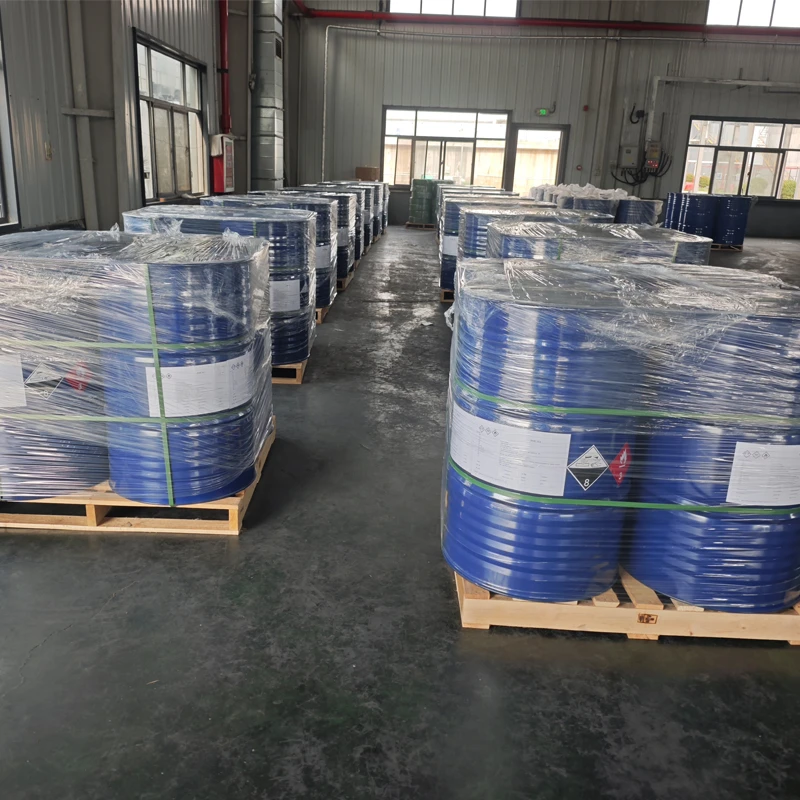
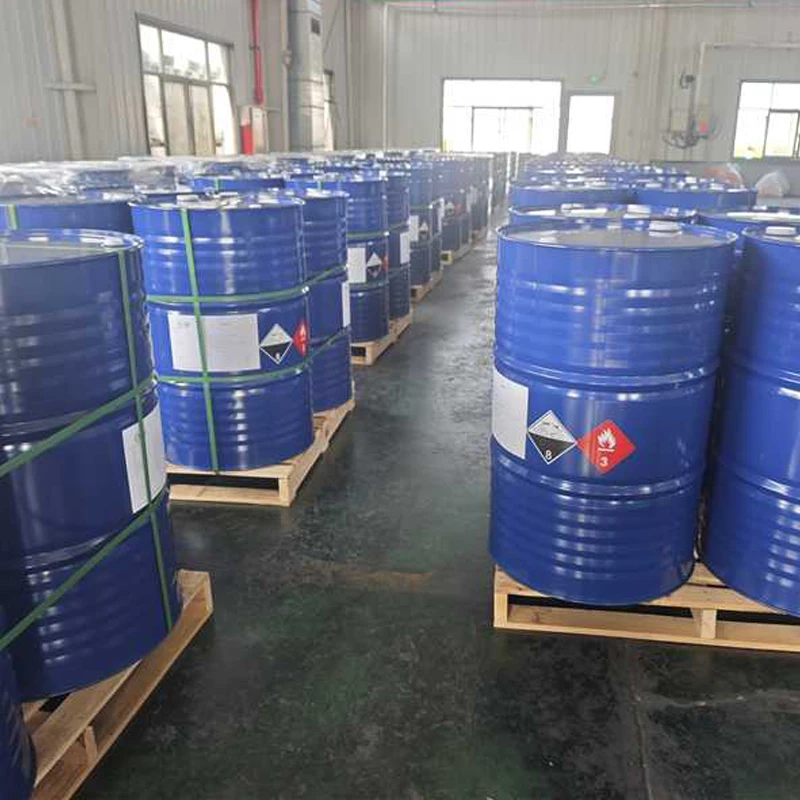
Hebei Hejia Pharmaceutical Technology Group Co., Ltd. (englishName: Hebei Hejia Pharmaceutical Technology Group Co., Ltd.) is a leading company in the production and supply of chemical intermediates, including the Triazine Ring. With a focus on innovation and quality, the company provides high-purity compounds for research, pharmaceutical, and industrial applications. Their expertise in chemical synthesis and material science ensures that their products meet the stringent requirements of global markets.
As a trusted supplier, Hebei Hejia Pharmaceutical Technology Group Co., Ltd. adheres to international standards for safety, environmental protection, and product quality. Their commitment to excellence is reflected in their extensive product portfolio and customer-centric approach. For more information about their services and products, visit their official website: Hebei Hejia Pharmaceutical Technology Group Co., Ltd.
Product Specifications Table
| Parameter | Details |
|---|---|
| Chemical Name | Triazine Ring |
| CAS Number | 290-87-9 |
| Molecular Formula | C₃H₃N₃ |
| Structure | Six-membered aromatic heterocycle with three nitrogen atoms |
| Applications | Agrochemicals, pharmaceuticals, polymer chemistry, material science |
| Purity | High-purity (99%+) |
| Storage | Store in a cool, dry place away from light |
Conclusion
The Triazine Ring is a remarkable chemical structure with a wide range of applications in modern science and industry. From its role in agrochemicals and pharmaceuticals to its use in advanced materials and electronic components, the triazine ring exemplifies the power of molecular design. Hebei Hejia Pharmaceutical Technology Group Co., Ltd. continues to lead in the development and supply of such critical compounds, ensuring their availability for cutting-edge research and innovation.
References
National Institute of Standards and Technology (NIST) - For authoritative information on chemical standards and measurements.