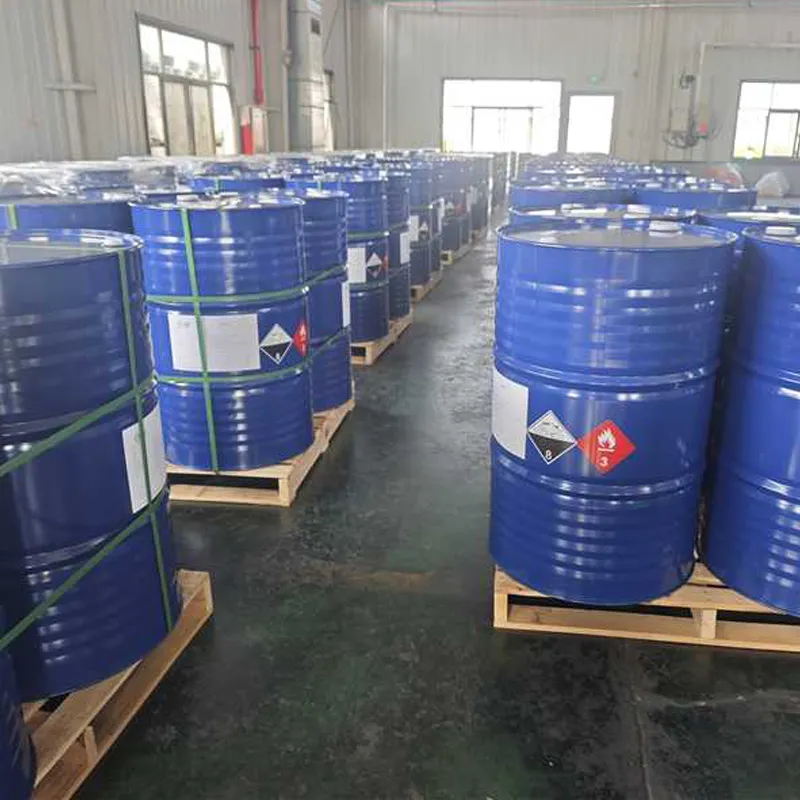
Pharma Intermediates Manufacturers: Navigating Quality and Innovation
Having spent more than a decade in the industrial equipment arena, particularly dealing with chemical manufacturing sectors, I’ve come to appreciate how vital pharma intermediates manufacturers are to the pharmaceutical supply chain. Honestly, it’s a niche field where precision meets complexity. You don’t just get a product off the line; you get a promise of purity, safety, and consistent quality—vital for drug makers counting on these raw materials every day.
Pharma intermediates, if you’re new to the term, are the key substances formed during the multi-step synthesis of pharmaceutical drugs. It’s a behind-the-scenes world that’s quite fascinating — these compounds aren’t final drugs, but without them, much of medicine creation would grind to a halt. The sector has steadily moved towards tighter regulatory standards and greener manufacturing processes, reflecting industry trends.
What tends to surprise outsiders is how much customization goes into these chemicals. Manufacturers often tweak synthesis routes or purification methods to meet very particular needs — bulk size, solvent residue limits, particle size distribution, and so forth. It’s a bit like cooking — you adjust spices and timing to get just the right flavor but with a highly scientific twist. And frankly, not every producer handles that level of complexity well.
In real terms, the testing protocols for pharma intermediates are rigorous. I noticed that many companies incorporate advanced analytics — things like HPLC, NMR, and mass spectrometry — to verify purity and impurity profiles. This isn’t a realm to cut corners because downstream pharmaceuticals rely heavily on this correctness. The minute you skip a test or tolerate a deviation, you could jeopardize the whole drug batch.
Now, on the design front, materials and equipment used by these manufacturers deserve a shout-out. Stainless steel reactors with precise temperature control and corrosion resistance are pretty much baseline—not to mention closed-system operations to reduce exposure risks. Many engineers say automated control systems have revolutionized intermediates production by minimizing human error and enhancing repeatability.
Here’s a quick snapshot of a typical pharma intermediate product profile you might find interesting:
| Parameter | Specification |
|---|---|
| Purity (%) | ≥ 99.5 |
| Moisture Content (%) | ≤ 0.5 |
| Particle Size (μm) | 10-50 |
| Residual Solvents (ppm) | < 500 |
| Assay Method | HPLC |
When it comes to selecting a supplier, not all are created equal. Having worked with a variety of vendors, I can tell you that factors such as lead time, certification (cGMP, ISO 9001), and capability for scale-up usually make or break a partnership. Oddly enough, price is often secondary to dependability in this sector.
Here’s a brief comparison of three pharma intermediates manufacturers based on those core criteria:
| Manufacturer | cGMP Certified | Average Lead Time | Scale-Up Capability | Customer Support |
|---|---|---|---|---|
| Hejia Chemical Tech | Yes | 2-3 weeks | Strong | Responsive |
| Acme Pharma Supplies | Yes | 4-6 weeks | Moderate | Average |
| Global Chem Corp | No | 1-2 weeks | Limited | Poor |
Thinking back, one of our clients told me about their experience switching to a trusted pharma intermediates manufacturer after facing repeated purity issues. The turnaround was basically night and day — batch rejections dropped, and their quality control team could finally breathe easy. It’s small stories like that which remind you why due diligence in selecting partners really matters.
If you’re considering entering or expanding in this space, my take is to prioritize transparency and ongoing communication. The chemistry can be complex, but the relationship with a reliable pharma intermediates manufacturer often makes navigating those complexities manageable. And oddly enough, that’s what keeps all the gears turning smoothly in this intricate supply chain.
To sum it up — the pharma intermediates sector demands expertise, strict quality controls, and a supplier network you can trust. Lean too hard in any direction and you risk production delays or regulatory headaches. But with the right partner, it’s an industry that feels rewarding and, frankly, quietly exciting.
References:
- Industry White Paper: Trends in Pharma Intermediate Manufacture, 2023
- Hejia Chemical Tech Product Datasheets, 2024
- FDA Guidance on cGMP for Intermediates, 2022