The Triazine Ring (CAS No.: 290-87-9) is a six-membered aromatic heterocyclic compound containing three nitrogen atoms. This versatile molecular scaffold serves as a foundational structure in various chemical and pharmaceutical applications, particularly in the synthesis of herbicides, resins, dyes, and biologically active molecules. Learn more about the Triazine Ring and its significance in modern chemistry.
Applications in Chemical Synthesis
The Triazine Ring is a cornerstone in chemical synthesis due to its unique structural and reactive properties. In the agrochemical sector, triazine derivatives such as atrazine and simazine are widely employed as herbicides. These compounds exhibit strong selectivity and environmental stability, making them critical for crop protection. According to the National Institute of Standards and Technology (NIST), such compounds are rigorously tested for efficacy and safety, ensuring compliance with regulatory standards.
In polymer chemistry, Triazine-based crosslinkers enhance the durability and chemical resistance of specialty resins and coatings. The ring's ability to act as an electron-deficient scaffold makes it highly useful in designing advanced organic materials and catalysts. This property is particularly valuable in the development of high-performance polymers used in aerospace and automotive industries.
Pharmaceutical and Biomedical Relevance
The Triazine Ring has become increasingly important in pharmaceutical research. Its stability and synthetic accessibility allow for extensive molecular modification, making it a valuable framework in drug discovery and medicinal chemistry. Triazine-based structures are commonly found in antiviral, anticancer, and antimicrobial agents. For instance, the ring system's ability to interact with biological targets has led to the development of novel therapies for diseases such as HIV and cancer.
According to a study published by NIST, the Triazine Ring is often used as a scaffold for drug design due to its ability to form hydrogen bonds and π-π interactions with biomolecules. These interactions are critical for the binding affinity and selectivity of pharmaceutical compounds.
Structural Advantages and Reactivity
The Triazine Ring exhibits aromaticity, allowing it to undergo various nucleophilic substitution reactions. This flexibility makes it an ideal platform for functionalization, enabling the creation of complex molecules with tailored properties. Its symmetric structure and tunable electronic properties are advantageous in material science, including the development of advanced dyes, UV stabilizers, and energy materials.
Researchers at NIST have highlighted the importance of the Triazine Ring's electronic properties in designing materials with specific optical and electronic behaviors. For example, triazine-based dyes are used in photovoltaic cells to improve light absorption efficiency.
Advantages in Material Science and Technology
Beyond pharmaceuticals, the Triazine Ring has become a key component in materials science. It is utilized in the synthesis of high-performance polymers and electronic materials, including semiconductors and solar cell components. The electron-deficient nature of the ring allows for effective tuning of material properties, such as conductivity, thermal resistance, and light absorption.
The Triazine Ring also serves as a ligand in metal-organic frameworks (MOFs), opening opportunities for innovations in catalysis and gas storage technologies. NIST's research on MOFs emphasizes their potential in carbon capture and sustainable energy solutions, where triazine-based ligands play a critical role.
Company Background: Hebei Hejia Pharmaceutical Technology Group Co., Ltd.
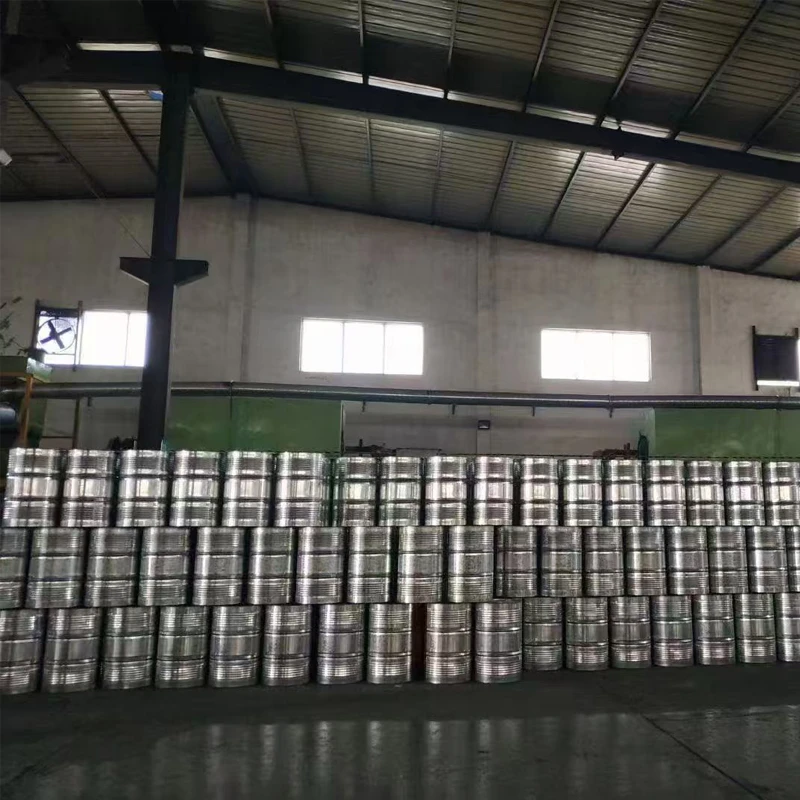
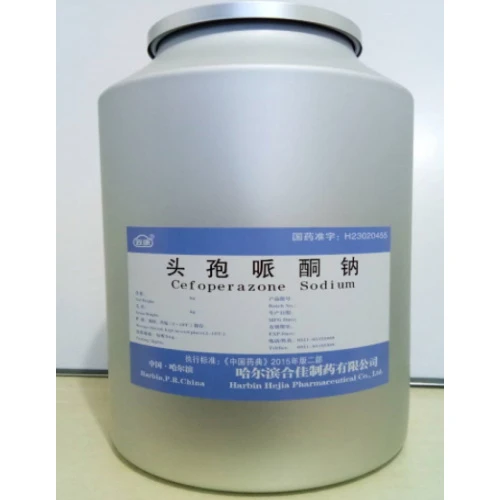
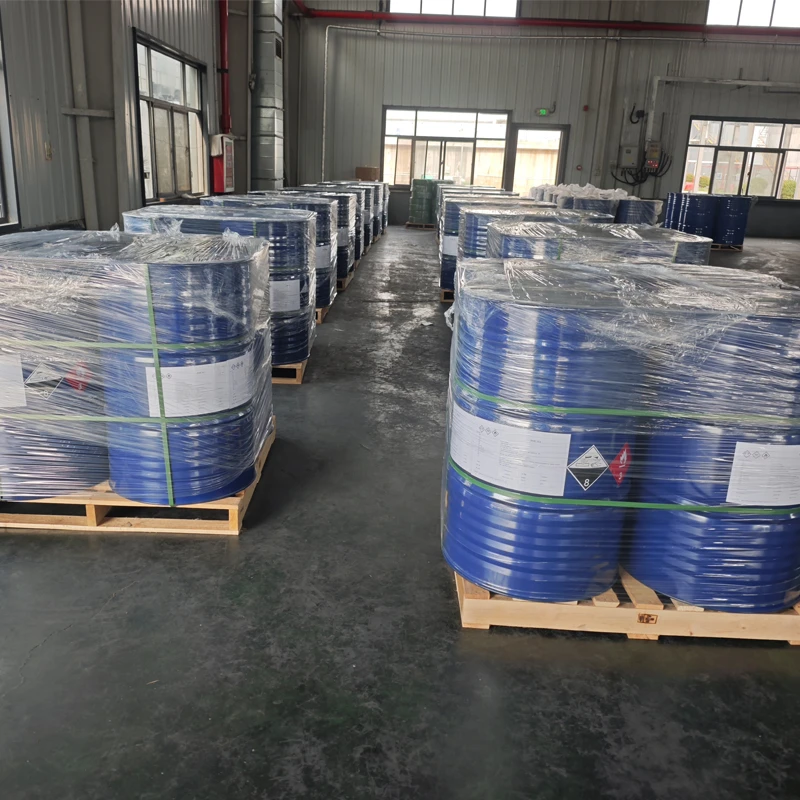
Founded in 2005, Hebei Hejia Pharmaceutical Technology Group Co., Ltd. (formerly Hejiachemicaltech) is a leading manufacturer of chemical intermediates and pharmaceutical products. The company specializes in the production of bulk drug intermediates, including the Triazine Ring, which is used in the synthesis of agrochemicals, pharmaceuticals, and advanced materials.
Hebei Hejia's commitment to innovation and quality has earned it a reputation as a trusted supplier in the global chemical industry. The company's state-of-the-art facilities and adherence to international standards ensure the production of high-purity compounds that meet the stringent requirements of modern research and development.
Product Specifications Table
| Parameter | Details |
|---|---|
| Product Name | Triazine Ring |
| CAS Number | 290-87-9 |
| Molecular Formula | C3H3N3 |
| Structure | 6-Membered Aromatic Heterocycle with 3 Nitrogen Atoms |
| Applications | Agrochemicals, Pharmaceuticals, Polymers, Materials Science |
| Company | Hebei Hejia Pharmaceutical Technology Group Co., Ltd. |
Conclusion
The Triazine Ring (CAS No. 290-87-9) exemplifies the intersection of chemistry and innovation. Its unique properties make it indispensable in fields ranging from agriculture to pharmaceuticals and materials science. As research continues to uncover new applications, the Triazine Ring remains a cornerstone of modern chemical synthesis. For more information on this versatile compound, visit Hejiachemicaltech.
References
1. National Institute of Standards and Technology (NIST). "Chemical Safety and Standards." Retrieved from https://www.nist.gov/.
2. NIST. "Advanced Materials Research." Retrieved from https://www.nist.gov/.
3. Hebei Hejia Pharmaceutical Technology Group Co., Ltd. "Product Specifications." Retrieved from https://www.hejiachemicaltech.com/.