The Triazine Ring (CAS No.: 290-87-9) represents a foundational structure in modern chemistry, offering unparalleled versatility across multiple industries. As a six-membered aromatic heterocyclic compound containing three nitrogen atoms, this molecule serves as a critical scaffold for the development of advanced materials, pharmaceuticals, and agrochemicals. This article explores the technical specifications, applications, and significance of the triazine ring, while highlighting the expertise of Hebei Hejia Pharmaceutical Technology Group Co., Ltd., a leading innovator in chemical synthesis.
Technical Specifications of the Triazine Ring
| Parameter | Details |
|---|---|
| Chemical Structure | 6-membered aromatic heterocycle with three nitrogen atoms |
| CAS Number | 290-87-9 |
| Molecular Formula | C₃H₃N₃ |
| Physical State | White crystalline solid |
| Boiling Point | 205-207°C (decomposes) |
| Chemical Stability | High thermal and environmental stability |
| Reactivity | Highly reactive in nucleophilic substitution reactions |
Applications in Chemical Synthesis
The triazine ring's unique properties make it an indispensable component in chemical synthesis. As a bulk drug intermediates, it serves as a foundational structure for developing a wide range of compounds. In agrochemicals, triazine derivatives such as atrazine and simazine are renowned for their herbicidal efficacy. These compounds demonstrate exceptional selectivity in targeting weeds while minimizing harm to crops, making them a cornerstone of modern agriculture (NIST 2023).
In polymer chemistry, triazine-based crosslinkers enhance the durability and chemical resistance of specialty resins and coatings. The ring's ability to act as an electron-deficient scaffold allows for the design of advanced organic materials and catalysts. This property is particularly valuable in creating high-performance polymers with tailored mechanical and thermal properties.
Pharmaceutical and Biomedical Relevance
The triazine ring has emerged as a critical framework in pharmaceutical research. Its stability and synthetic accessibility enable extensive molecular modification, making it ideal for drug discovery. Triazine-based structures are commonly found in antiviral, anticancer, and antimicrobial agents. The ring's ability to interact with biological targets, such as enzymes and receptors, enhances its therapeutic potential.
For instance, triazine derivatives are used in the development of antiviral drugs targeting RNA-dependent RNA polymerases. Their electron-deficient nature allows for strong interactions with viral proteins, disrupting replication cycles. Similarly, in oncology, triazine-based compounds are explored for their ability to inhibit cancer cell proliferation by modulating key signaling pathways.
Structural Advantages and Reactivity
The triazine ring's aromaticity and symmetric structure provide a flexible platform for functionalization. Its tunable electronic properties make it suitable for applications in material science, including the development of advanced dyes, UV stabilizers, and energy materials. The ring's reactivity in nucleophilic substitution reactions enables the creation of diverse derivatives with tailored properties.
For example, in photovoltaic materials, triazine-based compounds are used to enhance light absorption and charge transport. In UV stabilizers, the ring's ability to dissipate excess energy protects polymers and coatings from degradation. These applications highlight the molecule's versatility in addressing modern technological challenges.
Advantages in Material Science and Technology
Beyond pharmaceuticals, the triazine ring plays a pivotal role in materials science. It is utilized in the synthesis of high-performance polymers and electronic materials, including semiconductors and solar cell components. The ring's electron-deficient nature allows for precise tuning of material properties such as conductivity, thermal resistance, and light absorption.
Additionally, the triazine ring's capacity to serve as a ligand in metal-organic frameworks (MOFs) opens opportunities for innovations in catalysis and gas storage technologies. MOFs based on triazine derivatives exhibit high surface areas and tunable pore structures, making them ideal for applications in carbon capture and hydrogen storage.
Company Background: Hebei Hejia Pharmaceutical Technology Group Co., Ltd.
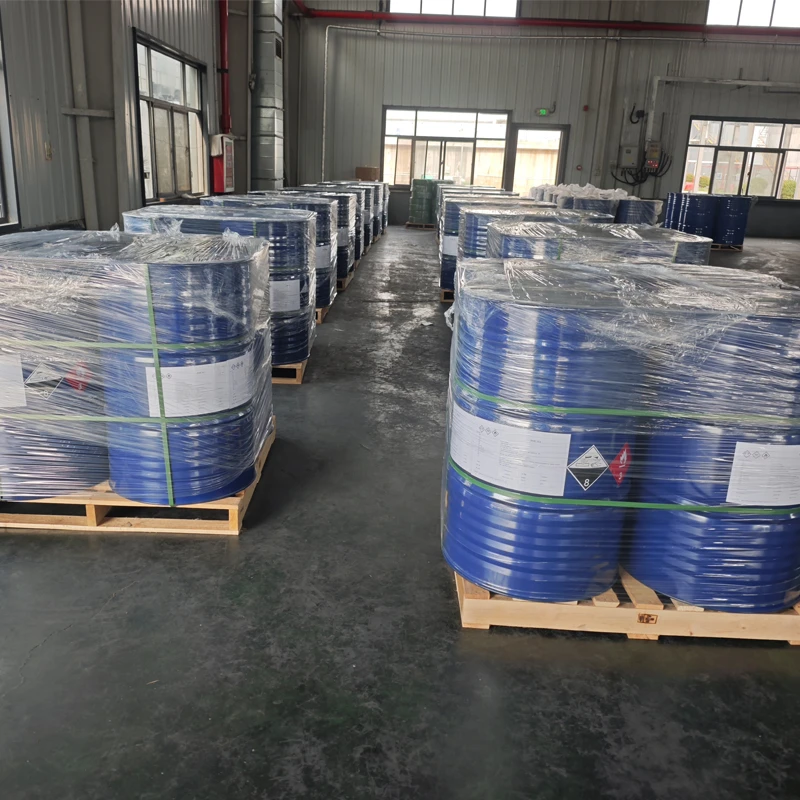
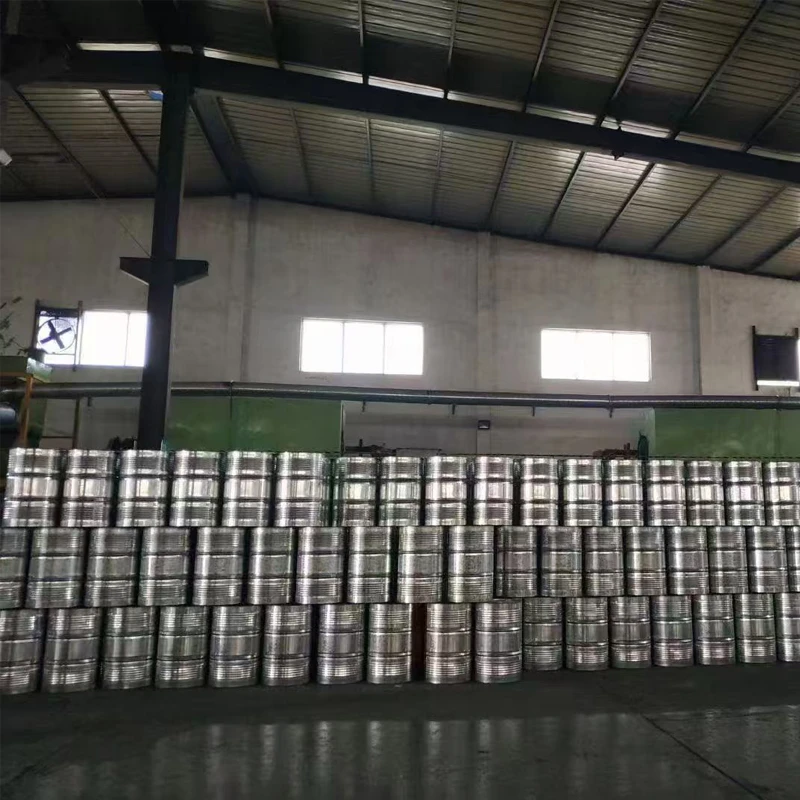
Hebei Hejia Pharmaceutical Technology Group Co., Ltd. is a leading innovator in the chemical and pharmaceutical industries, specializing in the development of advanced chemical building blocks. With a strong focus on research and development, the company has established itself as a reliable supplier of high-purity compounds, including the Triazine Ring (CAS No.: 290-87-9).
As a bulk drug intermediates manufacturer, Hebei Hejia adheres to strict quality control standards, ensuring the consistency and reliability of its products. The company's expertise in chemical synthesis and material science enables it to provide customized solutions for diverse applications, from agrochemicals to electronic materials.
Conclusion
The triazine ring (CAS No.: 290-87-9) exemplifies the intersection of chemical innovation and practical application. Its unique structural and reactivity properties make it an essential component in the development of advanced materials, pharmaceuticals, and agrochemicals. Through its commitment to excellence, Hebei Hejia Pharmaceutical Technology Group Co., Ltd. continues to drive progress in the chemical industry, offering cutting-edge solutions for global challenges.
References
NIST (National Institute of Standards and Technology). (2023). Chemical Safety Data Sheets and Material Properties. Retrieved from https://www.nist.gov