Understanding API and Pharmaceutical Intermediates: Insights from the Field
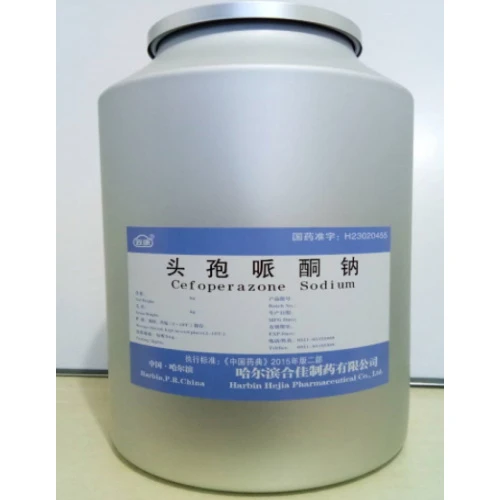
Having spent over a decade in the industrial equipment sector, particularly around chemical processing, APIs (Active Pharmaceutical Ingredients) and pharmaceutical intermediates have been recurring themes in my work. They’re not the flashiest topics for cocktail conversations, but these compounds form the backbone of modern medicine manufacturing. In real terms, API and pharmaceutical intermediates are the building blocks that allow us to create everything from lifesaving drugs to complex therapies. Oddly enough, despite their importance, many in the broader industrial space underestimate the subtle challenges involved in producing them.
Pharmaceutical intermediates, in particular, are kind of the “middle children” of drug manufacturing — not quite the final API but far more specialized than raw chemicals. From what I’ve gathered working closely with chemical engineers, these intermediates need tight control over purity and structure. A small impurity or even a slight deviation can cascade into quality issues downstream, so the pressure for high-quality output isn’t trivial.
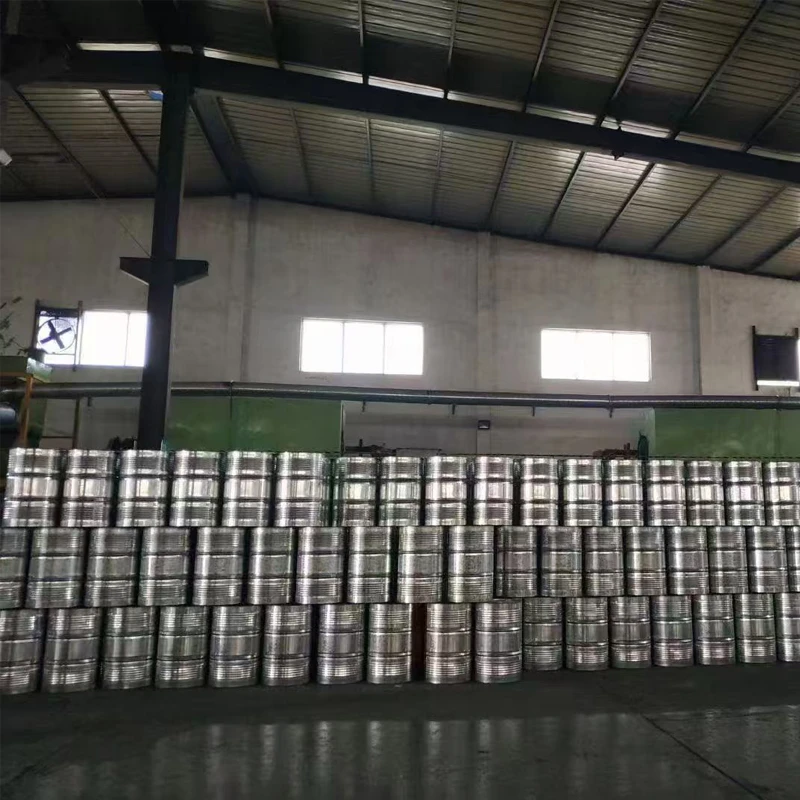
One thing I noticed early on was how crucial material sourcing and manufacturing environment is. For instance, moisture and temperature control during intermediates production have to be spot-on because some compounds are notoriously sensitive. In fact, I remember visiting a facility where they implemented a new cleanroom design that dramatically reduced contamination — engineers often say such improvements are game-changers, even if unseen by clients.
Now, if you’re sourcing APIs or intermediates, specs become your best friend. Here’s a quick snapshot of typical chemical specs you’d want to consider when evaluating suppliers:
| Property | Typical Range/Value | Notes |
|---|---|---|
| Purity (%) | ≥ 99.0% | Critical for safe pharmaceutical use |
| Moisture Content | ≤ 0.5% | Prevents degradation and caking |
| Particle Size | 10 - 100 microns | Affects solubility and mixing |
| Residual Solvents | Below USP limits | Safety and regulatory compliance |
Manufacturers often customize intermediates based on client requirements — whether tweaking functional groups or optimizing physical forms like polymorphs. I suppose this flexibility is one reason trusted chemical partners thrive. Many engineers tell me that dealing with a vendor who understands regulatory documentation and can pivot quickly is a real business advantage.
Speaking of vendors, here's a quick comparison between some typical suppliers you might consider. Each has different strengths, so your choice depends on what fits your project best:
| Vendor | Price | Customization | Quality Assurance | Lead Time |
|---|---|---|---|---|
| Vendor A | $$$ | High | Robust, ISO-certified | 4 weeks |
| Vendor B | $$ | Medium | Standard QC | 3 weeks |
| Vendor C | $ | Low | Basic QA | 6 weeks |
From a customer story perspective, I once worked with a mid-sized pharmaceutical company struggling with inconsistent intermediate quality from one of their suppliers. The issue? Variability in moisture content that caused batch failures intermittently. After switching to a vendor with more rigorous environmental controls and real-time testing, they saw their reject rates plummet — which, frankly, made everyone’s lives easier. It’s those behind-the-scenes process improvements that don’t always get the spotlight but mean everything in production.
All in all, the world of APIs and pharmaceutical intermediates is a bit like an intricate puzzle... each piece needs to fit perfectly. And while quality specifications and vendor credentials are important, the real edge comes from experience, attention to detail, and trustworthy partnerships. If you’re navigating these waters, I’d say be thorough and don’t hesitate to ask vendors tough questions about their process controls.
For a reliable source and more detailed insights into API and pharmaceutical intermediates, Hejia Chemical Technology offers a solid blend of quality and customization tailored to modern pharma needs.
That said, keep in mind that every project is unique; there's no one-size-fits-all in this business. But if you stay curious and maintain a hands-on approach, you’ll develop a natural feel for what works. And honestly, that’s what expertise really looks like after years in the field.
— Jake R., Industrial Equipment Sector (with a penchant for pharmaceutical chemicals)
References:
1. USP Pharmacopoeia Standards (online resource)
2. Hejia Chemical Technology official website
3. Industry interviews, 2021-2023