Understanding Drug Product Intermediate: A Crucial Step in Pharmaceutical Manufacturing
You might have heard the term drug product intermediate tossed around in pharmaceutical circles, but why does it really matter? Well, in the world of making safe and effective medicines, this stage represents the crucial bridge between initial chemical synthesis and the final medicine that reaches patients. Grasping the nuances behind drug product intermediates isn’t just “nice to know” — it can impact quality, efficiency, and ultimately, patient safety worldwide.
Global Context: Why Drug Product Intermediates Matter More Than Ever
The global pharmaceutical industry, valued at over $1.2 trillion in 2023, depends heavily on streamlined production processes. According to ISO standards, consistent manufacturing and quality control are key pillars for producing medicines used in every country. Drug product intermediates form a large part of this puzzle. They serve as the semi-finished materials that, if handled correctly, ensure the final drug meets stringent quality and regulatory requirements.
Yet, the challenge is significant — according to the World Health Organization, almost 10% of medicines globally fail quality standards, often due to lapses during intermediate stages. This fact alone illustrates why mastering drug product intermediate processes is a global priority for safe, affordable healthcare.
What’s a Drug Product Intermediate, Anyway?
Simply put, a drug product intermediate is a substance produced during the manufacturing process that’s not the final drug product but will be further processed or formulated to become the finished medication.
Think of it like baking — the intermediate could be your batter or dough before it’s baked into a cake. In pharma, this could be a purified chemical compound, granules ready for tableting, or a sterile suspension awaiting final packaging. This ensures there's more control and quality checkpoints before the medicine reaches patients.
Key Components That Define Drug Product Intermediates
1. Purity and Quality
The defining trait for any drug product intermediate is purity. Impurities can seriously compromise safety and efficacy. Robust characterization and testing are essential here — techniques like chromatography or spectroscopy are industry staples.
2. Stability
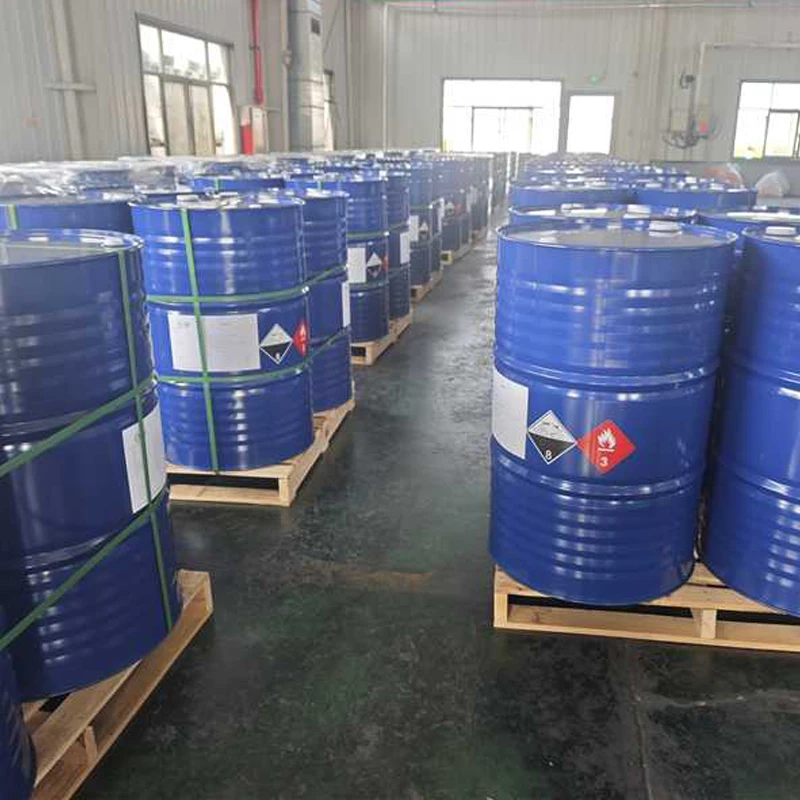
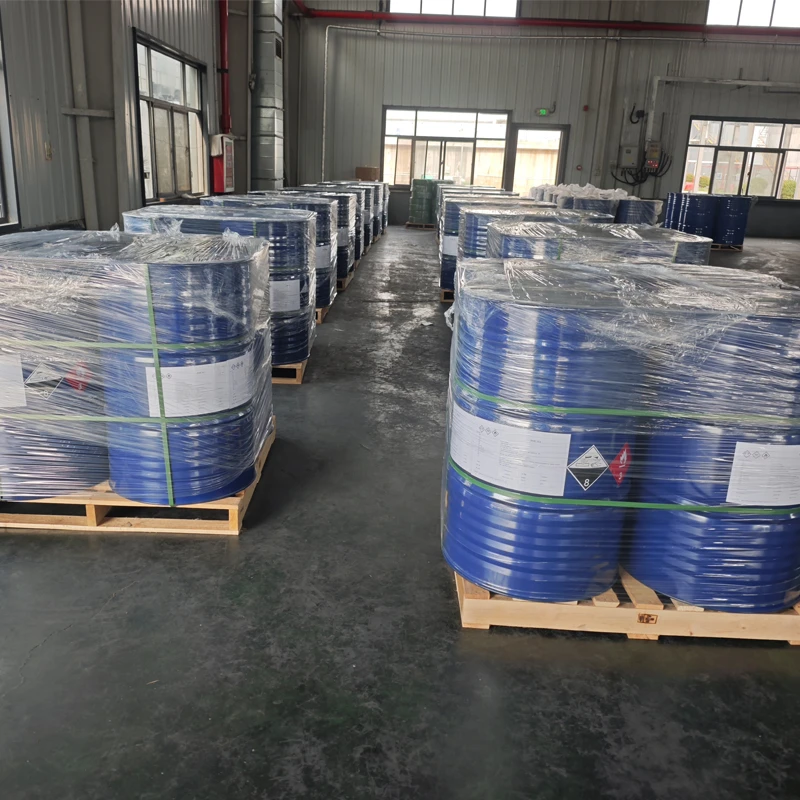
Intermediate products often have to maintain chemical and physical stability during storage or transport. This means manufacturers invest significantly in controlling temperature, humidity, and container materials.
3. Scalability
Can you make these intermediates cost-effectively on a large scale? The process must translate smoothly from lab to factory floor — which isn’t always straightforward.
4. Regulatory Compliance
Each step must comply with Good Manufacturing Practices (GMP) and local regulations. Failing this can halt production or cause costly recalls.
Global Applications and Real-World Use Cases
- Emerging markets: In countries ramping up local pharmaceutical production, intermediates allow manufacturing hubs to specialize and collaborate globally.
- Emergency response: During outbreaks (think Ebola, COVID-19), quick production of reliable intermediates helped accelerate vaccine availability.
- Customizing medication: Some companies produce tailored intermediates allowing personalized medicine formulations based on genomic data.
For instance, a pharma plant in India might import high-purity intermediates from Europe, then formulate and package final drugs locally — a win-win for cost and quality control.
Advantages & Long-Term Value of Managing Drug Product Intermediates Well
The benefits go beyond economics:
- Cost efficiency: Effective intermediate management reduces waste and recalls.
- Sustainability: Cleaner manufacturing at the intermediate stage lowers emissions and resource consumption.
- Reliability and safety: Better quality control means fewer adverse effects for patients.
- Trust: Regulators and consumers alike gain confidence in products that meet consistent quality benchmarks.
It’s not just about numbers — there’s a human side. Patients need to feel safe taking their medication, and fine-tuning intermediates plays a subtle yet vital role in that reassurance.
Product Specifications: Typical Drug Product Intermediate Characteristics
| Specification | Typical Range / Value |
|---|---|
| Purity (%) | ≥ 98.5% |
| Moisture Content (%) | ≤ 0.5% |
| Particle Size (µm) | 50–200 |
| Assay (Active Ingredient) (%) | 90–105% |
| pH (if suspension) | 4.0–7.0 |
| Residual Solvents (ppm) | As per ICH Q3C limits |
Vendor Comparison: Selecting Your Drug Product Intermediate Supplier
| Feature | Vendor A | Vendor B | Vendor C |
|---|---|---|---|
| GMP Certification | Yes | Yes | Yes |
| Purity Levels | ≥99% | ≥98.7% | ≥98.5% |
| Lead Times | 2 Weeks | 1 Week | 3 Weeks |
| Global Shipping | 130+ Countries | 80+ Countries | 100+ Countries |
| Custom Formulations | Available | Limited | Available |
Future Trends & Innovations in Drug Product Intermediates
Looking ahead, the drug product intermediate space is ripe for disruption:
- Digital integration: Automation and AI in quality control to catch defects earlier.
- Sustainability focus: Bio-based intermediates and greener solvents to reduce environmental footprint.
- Continuous manufacturing: Moving away from batch processing to continuous flow, which promises speed and consistency.
- Personalization: More intermediates tailored for individualized meds as precision medicine grows.
Challenges & Solutions
Of course, it’s not all smooth sailing. Challenges include:
- Supply chain complexity: Managing multiple vendors and logistics can cause delays.
- Regulatory hurdles: Different countries have varying standards, complicating export-import processes.
- Material degradation: Intermediates can lose potency if storage conditions lapse.
Solutions? Many experts recommend investing in robust cold-chain logistics, more in-line testing technologies, and fostering strong vendor partnerships — which frankly, goes a long way.
Frequently Asked Questions About Drug Product Intermediate
- What exactly is a drug product intermediate in pharma manufacturing?
- A drug product intermediate is a substance produced during the manufacturing process that isn’t yet the final drug, but will be further processed or formulated into the finished medication.
- How does quality control impact the safety of drug product intermediates?
- Strict quality control ensures the intermediate meets purity and stability standards, which prevents contamination or variability that could harm patients.
- Can drug product intermediates be customized for personalized medicine?
- Yes, intermediates can be tailored to enable personalized formulations, especially important in fields like oncology or rare diseases.
- Are there sustainability concerns with drug product intermediates?
- Traditionally yes, but the industry is moving toward greener production processes and materials to minimize environmental impact.
- How do manufacturers handle storage and transport of sensitive intermediates?
- They employ controlled environments such as refrigerated or inert atmosphere shipping, plus strict tracking to maintain stability until final processing.
Conclusion
In summary, understanding and optimizing drug product intermediates is a cornerstone for producing safe, effective, and affordable medicines globally. These “in-between” materials might not get the spotlight, but without them, the whole pharmaceutical supply chain could fall apart. If you’re interested in deepening your knowledge or sourcing high-quality intermediates, I encourage you to visit our website. It’s a great place to explore both technical specs and trusted supply options in this vital space.
So yes, it might feel like a niche term at first. But drug product intermediate is truly the backstage hero of modern medicine—one worth knowing about.
Short takeaway: Quality drug product intermediates are the unsung but essential link ensuring medicines you trust actually work safely.