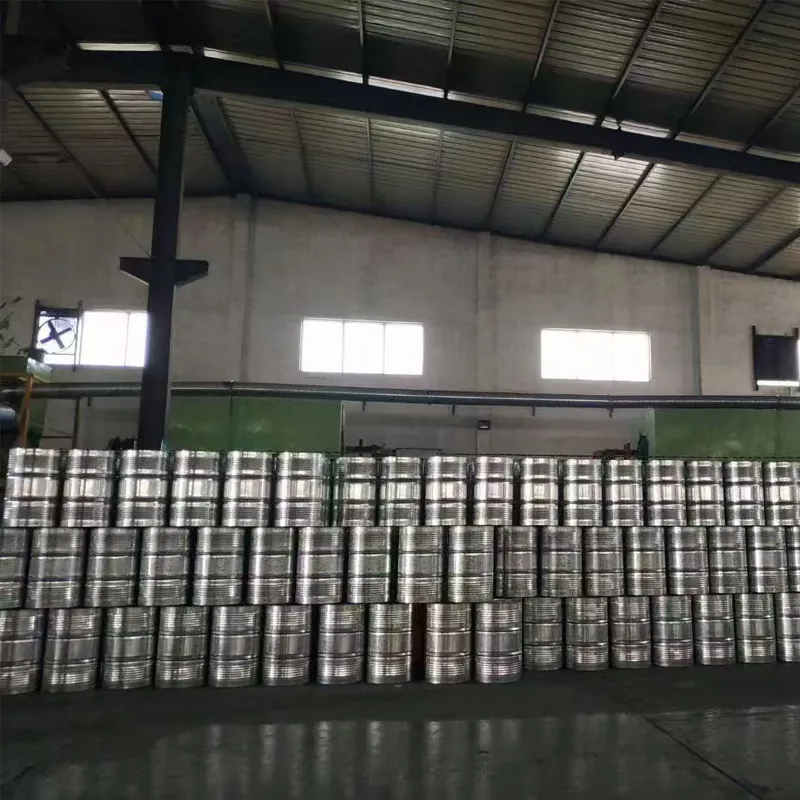
Understanding the Role of a drug substance intermediate in Pharmaceutical Manufacturing
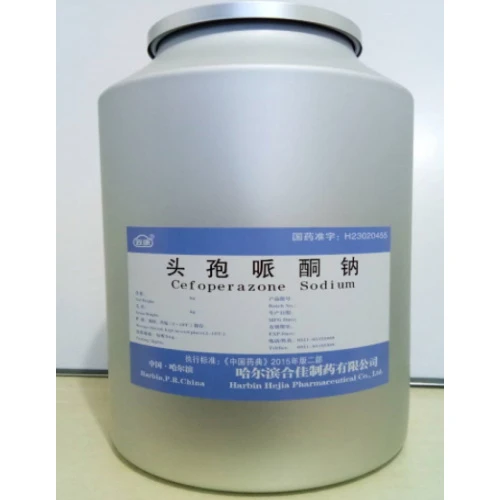
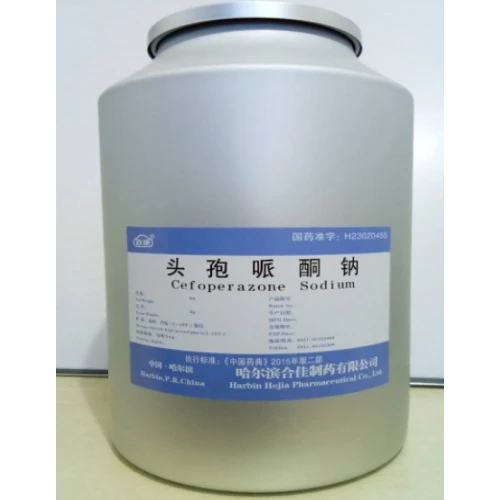
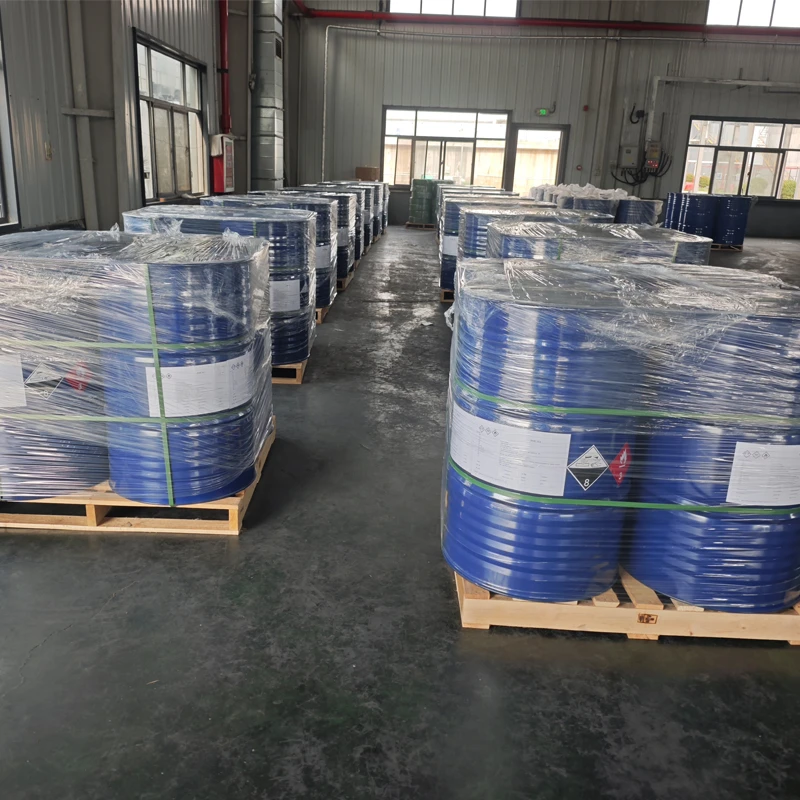
Having spent quite a number of years in the industrial equipment sector supporting pharmaceutical companies, I’ve come to appreciate the subtle yet critical role played by the drug substance intermediate. It’s that often behind-the-scenes chemical entity that bridges raw materials and the final active pharmaceutical ingredient (API) — sort of like a crucial relay runner in the race to healthcare solutions.
At first glance, a drug substance intermediate might seem like just another chemical batch in the labyrinth of pharma manufacturing. But oddly enough, its quality and consistency can make or break downstream processes. If you’ve ever watched a manufacturing line halt because of a slight impurity or inconsistency upstream, you’ll understand the stakes.
Manufacturers today lean heavily on tailor-made intermediates designed to meet strict regulatory standards and optimize yield and purity. It feels like the industry is moving toward more sophisticated, flexible manufacturing platforms to keep pace with accelerated drug development cycles. Personally, I’ve noticed a growing emphasis on intermediates that support greener chemistry—less waste, fewer hazardous solvents, things like that.
Speaking of specs, here’s a quick rundown of typical characteristics you might want on your radar when evaluating these intermediates:
| Specification | Typical Range | Notes |
|---|---|---|
| Purity (%) | ≥98.5% | Critical for downstream synthesis |
| Moisture Content (%) | ≤0.5% | Avoids hydrolysis issues |
| Particle Size | 10–50 µm | Ensures uniform mixing |
| Heavy Metals (ppm) | ≤10 ppm | Compliance with ICH Q3D |
| Residual Solvents | Below detection limits | Safety and purity critical |
Of course, beyond specs, there’s this intricate dance involving raw material sourcing, testing, and customization. I recall a case not too long ago where a client needed a very specific intermediate with controlled particle morphology to improve downstream crystal formation. It wasn’t easy, but with collaboration, the vendor adjusted synthesis parameters accordingly—resulting in improved product stability. It’s a vivid illustration of how vendor flexibility can significantly impact manufacturing success.
Speaking of vendors, I've frequently been asked how various suppliers stack up when it comes to consistency, cost-efficiency, and compliance. Here’s a simple comparison table reflecting what I’ve learned from industry insiders and firsthand experience:
| Vendor | Purity Guarantee | Customization | Compliance Certification | Lead Time | Price Competitiveness |
|---|---|---|---|---|---|
| Hejia Chemical Tech | ≥99% | High (custom synthesis available) | cGMP, ISO 9001 | 2–4 weeks | Competitive |
| Vendor B | ≥98.5% | Moderate | cGMP only | 3–6 weeks | Moderate |
| Vendor C | ≥97% | Low | ISO 9001 | 4–8 weeks | Higher |
On a practical note, selecting the right drug substance intermediate vendor isn’t just about numbers on paper. I’ve seen firms struggle because the vendor’s technical support or documentation wasn’t up to par—small things that delay audits or cause compliance hiccups. In contrast, a proactive partner like Hejia Chemical Tech often smooths the road substantially.
In real terms, for anyone stepping into pharmaceutical production or looking to fine-tune their supply chain, the takeaway is that drug substance intermediates sit at a crossroads of chemistry, regulation, and industrial know-how. You need a provider who not only delivers a quality product but also understands the nuances of pharmaceutical manufacturing.
So, the next time your production team is troubleshooting a yield drop or documentation issue, consider taking a closer look at your intermediates—and perhaps check out what specialists like Hejia Chemical Tech have on their shelves. It’s often the overlooked details that ultimately define success or setbacks.
Anyway, that’s been my two cents from the trenches. There’s plenty more to explore about intermediates and their evolving role in pharma, but for now, I hope this sheds some light. As always, I’m curious if others have experiences to share about vendor partnerships or manufacturing quirks—feel free to chime in.
Cheers to quality chemistry and smoother manufacturing!
References:
1. ICH Q3D guideline on elemental impurities
2. cGMP regulations - FDA
3. Industry reports on intermediate supply chain trends, 2023