Understanding Intermediate Pharma: A Crucial Link in Global Healthcare
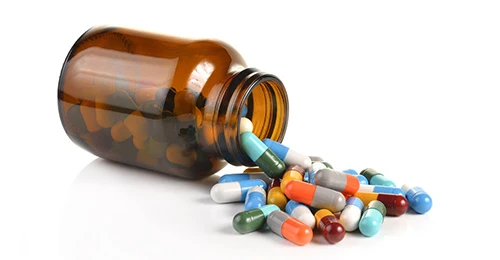
If you’re even remotely connected to the pharmaceutical industry, you’ve probably come across the term intermediate pharma. But what exactly does it entail, why is it so crucial on a global scale, and how does it shape the medicines we rely on daily? Simply put, intermediate pharma refers to the chemical compounds and substances used during the manufacturing process of pharmaceuticals — the building blocks before the final active pharmaceutical ingredients (APIs) come into play. Understanding this helps us appreciate the entire lifecycle of drug production, ensuring safety, efficiency, and innovation in medicines worldwide.
Globally, the pharmaceutical supply chain is complex and interconnected. With rising demands for advanced medicines and affordable healthcare, intermediate pharma plays a pivotal role in meeting these challenges. It’s not just about making pills or syrups; it’s about creating reliable, scalable, and sustainable materials that adhere to strict regulations. This ensures that, whether you’re in a remote village or a metropolitan hospital, the drugs you receive meet high standards.
Global Context: Why Intermediate Pharma Matters
The global pharmaceutical market is expected to exceed $1.5 trillion by 2025, according to data from the World Bank and industry analysts. Such staggering numbers reflect huge production volumes — but also massive complexity and risk. Intermediate pharma helps streamline production, reduce costs, and maintain quality. Unfortunately, it’s also an area prone to supply chain disruptions, exacerbated by geopolitical tensions and pandemic challenges. The UN’s Sustainable Development Goals emphasize access to medicines, which indirectly hinges on the robustness of intermediate products. So, the topic isn’t just industrial jargon; it’s an essential piece of global health security.
Mini takeaway: Understanding intermediate pharma offers insight into how medicines are made reliably, affordable globally, and sustainable for the future.
What Is Intermediate Pharma?
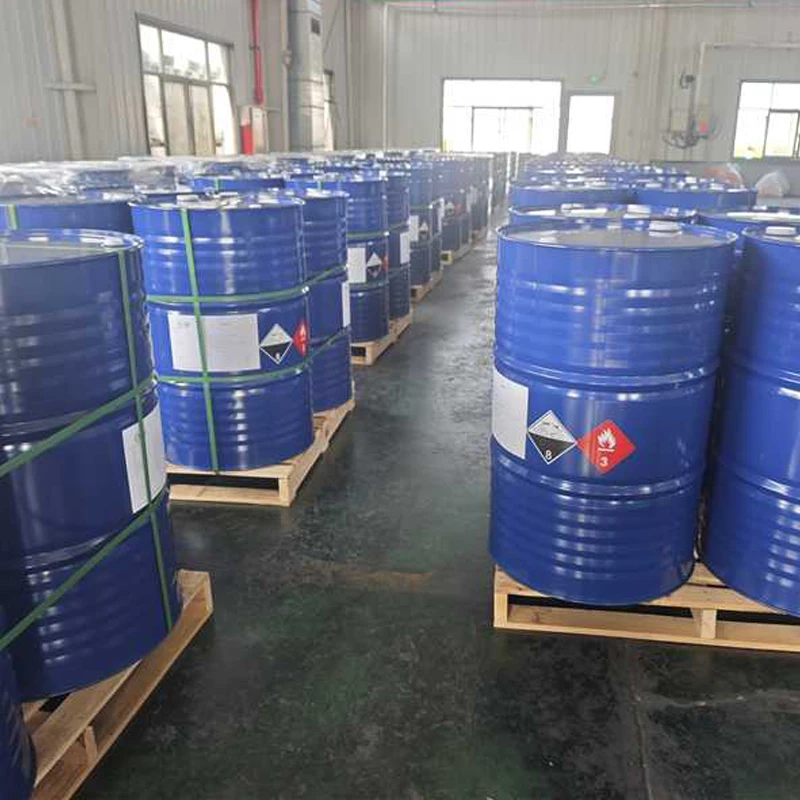
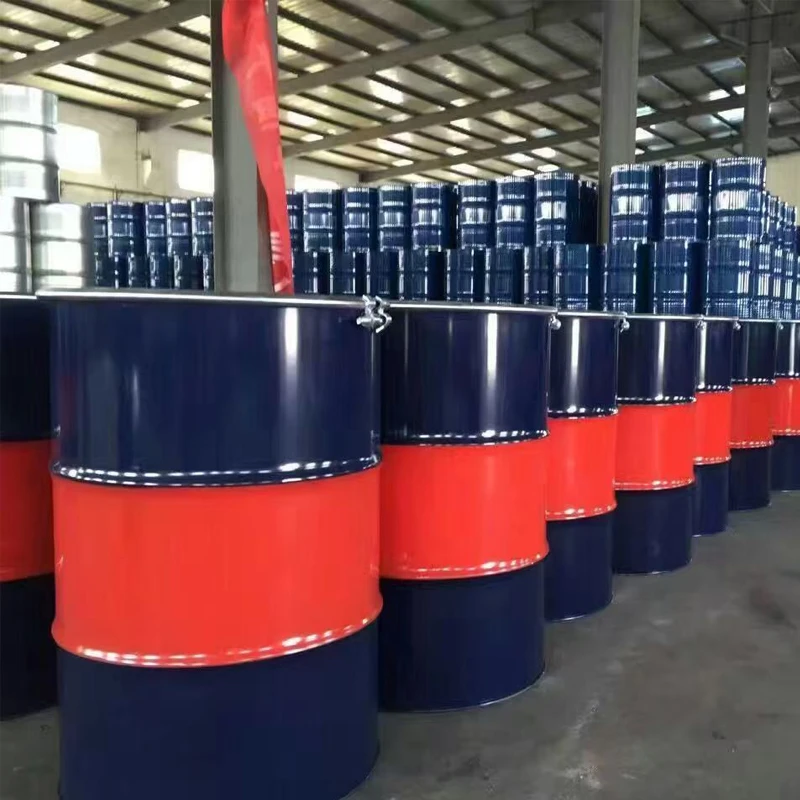
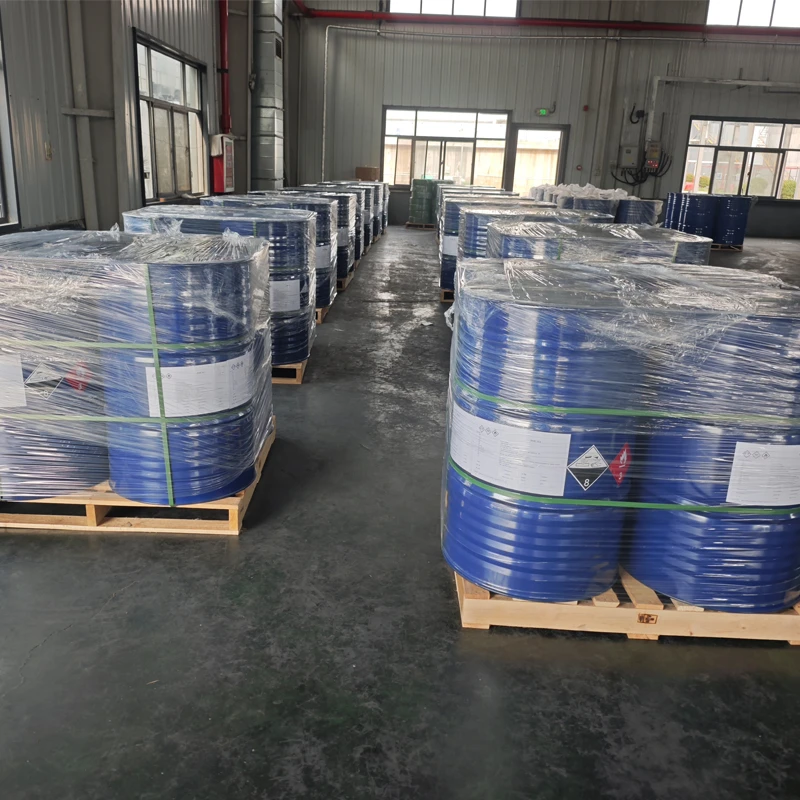
In basic terms, an intermediate in pharma is a chemical substance produced during a multi-step synthesis process leading to an API. Think of it as the “middle step” chemical, often purified or modified, before it becomes the final drug ingredient. Without these intermediates, the large-scale, consistent manufacture of pharmaceuticals would be near impossible. This directly connects to today’s healthcare needs — from life-saving antibiotics to cancer therapies — because quality intermediates equal quality final products.
It’s also worth noting that the industry sometimes uses synonyms such as “pharmaceutical intermediates,” “API intermediates,” or simply “drug intermediates.” While the terms differ slightly, they all circle around the same set of materials forming the backbone of pharma production.
Core Components of Intermediate Pharma
1. Purity and Quality Control
Pharma intermediates must meet stringent purity standards — often >99%. Fractional impurities can cause severe side effects or efficacy issues. Analytical methods like HPLC and NMR are common tests ensuring chemical integrity and uniformity.
2. Scalability
Oddly enough, a compound that works fine in a lab synthesis can be a nightmare to produce on an industrial scale. Scalability involves replicating reactions safely and efficiently to produce tons instead of grams.
3. Regulatory Compliance
World Health Organization (WHO) and ISO standards apply, alongside FDA or EMA guidelines. Compliance ensures global market acceptance and patient safety.
4. Cost Efficiency
Pharma is already a costly industry. Optimizing raw material usage and process efficiency for intermediates directly reduces drug prices for patients.
5. Environmental Sustainability
Green chemistry principles — less waste, reduced toxic solvents — are increasingly integrated to minimize ecological footprints.
Mini takeaway: Success in pharmaceutical intermediates hinges on balancing quality, scale, regulation, cost, and eco-friendliness.
Product Specification Table: Typical Pharma Intermediate
| Specification | Typical Range | Remarks |
|---|---|---|
| Purity | ≥ 99% | By HPLC |
| Moisture Content | ≤ 0.5% | Karl Fischer titration |
| Particle Size | 10-50 µm | Affects blend consistency |
| Residual Solvents | ≤ 500 ppm | GC-MS tested |
| Heavy Metals | ≤ 10 ppm | ICP-MS analyzed |
Global Applications: Where Intermediate Pharma Makes a Difference
The role of intermediate pharma goes far beyond factories tucked away in industrial parks. In Asia, especially China and India, these intermediates underpin massive export-driven pharmaceutical industries. Meanwhile, European countries emphasize high-purity intermediates tailored for complex biologics. In Africa and Latin America, intermediates help support growing generic drug markets to provide affordable treatments.
Consider disaster relief scenarios: post-pandemic vaccination drives demanded increased API production, relying heavily on secure intermediate supplies. Similarly, in remote industrial zones, manufacturing APIs onsite is often impractical, so intermediates are shipped in bulk for final drug formulation locally, reducing logistical burdens and costs.
Vendor Comparison: Leading Intermediate Pharma Suppliers
| Supplier | Purity Range | Capacity (MT/year) | Key Market | Sustainability Focus |
|---|---|---|---|---|
| Hejia Chemical Tech | 99.5% - 99.9% | 500+ | Global (Emerging markets) | Advanced green chemistry |
| GlobalPharm Intermediates | 99% - 99.8% | 350 | USA & Europe | Eco-friendly waste reduction |
| ChemCore Solutions | 98.5% - 99.7% | 200 | Asia Pacific | Partial biocatalysis adoption |
Advantages & Long-Term Value of Intermediate Pharma
- Cost-effectiveness: By optimizing intermediate production, drug manufacturers lower overall costs — savings that can translate to more affordable medicine.
- Quality assurance: Trusted intermediates lead to reliable final APIs, giving patients and healthcare providers peace of mind.
- Innovation drive: Novel intermediates accelerate development of cutting-edge drugs.
- Sustainability: Greener production methods reduce environmental impacts, helping pharma industry meet global climate goals.
- Social impact: Reliable sources of intermediates contribute to global health equity, improving access especially in low-resource areas.
Emotionally, there’s a strong sense of trust when you know the components behind the medicine are rigorously controlled — it’s about safety, dignity, and hope for millions. Frankly, it feels reassuring that such care happens long before the medicine enters a patient’s hand.
Future Trends & Innovations in Intermediate Pharma
We’re witnessing exciting shifts in how intermediates are produced. Digital automation accelerates chemical synthesis while reducing human error. Green chemistry techniques are not just buzzwords—they’re reshaping industry norms through use of renewable feedstocks and solvent-free reactions. Biocatalysis and enzyme-driven transformations are gaining momentum, offering cleaner routes to complex molecules. Regulatory frameworks also adapt, embracing quality-by-design and real-time release testing for intermediates.
Challenges & Solutions in the Industry
Despite advances, the production of intermediates faces hurdles. Supply chain disruptions can delay drug manufacture. Some synthetic routes remain wasteful or hazardous. Skilled workforce shortages complicate scale-up efforts, and sometimes raw material sourcing is unpredictable.
Innovative solutions include diversifying supplier bases (to avoid disruption), investing in green chemistry R&D, and applying AI-enhanced process modeling to optimize yields. Initiatives like Hejia Chemical Tech are prime examples of companies pioneering these strategies — marrying compliance with sustainability and scale.
FAQ: Frequently Asked Questions About Intermediate Pharma
- Q: What exactly distinguishes intermediate pharma from APIs?
A: Intermediate pharma refers to chemical substances formed during the multi-step synthesis process, whereas APIs are the final medicinally active compounds. Intermediates are crucial precursors that undergo further processing to produce APIs. - Q: How do manufacturers ensure the quality of pharma intermediates?
A: Through rigorous analytical testing such as High-Performance Liquid Chromatography (HPLC), Gas Chromatography (GC), Nuclear Magnetic Resonance (NMR), and adherence to Good Manufacturing Practices (GMP) and relevant regulatory guidelines. - Q: Are greener production methods really viable for intermediates?
A: Absolutely. Many companies are adopting sustainable chemistry techniques, including enzymatic reactions, solvent reduction, and waste recycling, enhancing environmental safety while maintaining quality. - Q: Can intermediate pharma suppliers support global export needs?
A: Yes, especially those who comply with international regulations and certifications. Proper documentation and certifications enable smooth international transactions and acceptance in diverse markets. - Q: What trends should pharma buyers watch related to intermediates?
A: Increasing automation, digital monitoring of production, and sustainability initiatives are key trends shaping future intermediate sourcing and manufacturing.
Conclusion
To sum up, intermediate pharma is far more than a behind-the-scenes process — it’s the essential foundation that assures the medicines billions depend on are safe, affordable, and effective. Overcoming supply and quality challenges with innovative science and sustainability will only further empower global health outcomes.
For industry professionals seeking reliable, compliant, and environmentally conscious intermediates, companies like Hejia Chemical Tech offer expertise and scalable solutions that meet today’s rigorous demands.
Explore the intricacies and innovations of intermediate pharma—your gateway to better medicines and a healthier tomorrow.
References:
- World Health Organization - Pharmaceuticals and Medicines
- UN Sustainable Development Goals - Good Health & Well-being
- International Organization for Standardization (ISO) - Quality Management