Pharma Intermediates: A Global Backbone of Modern Medicine
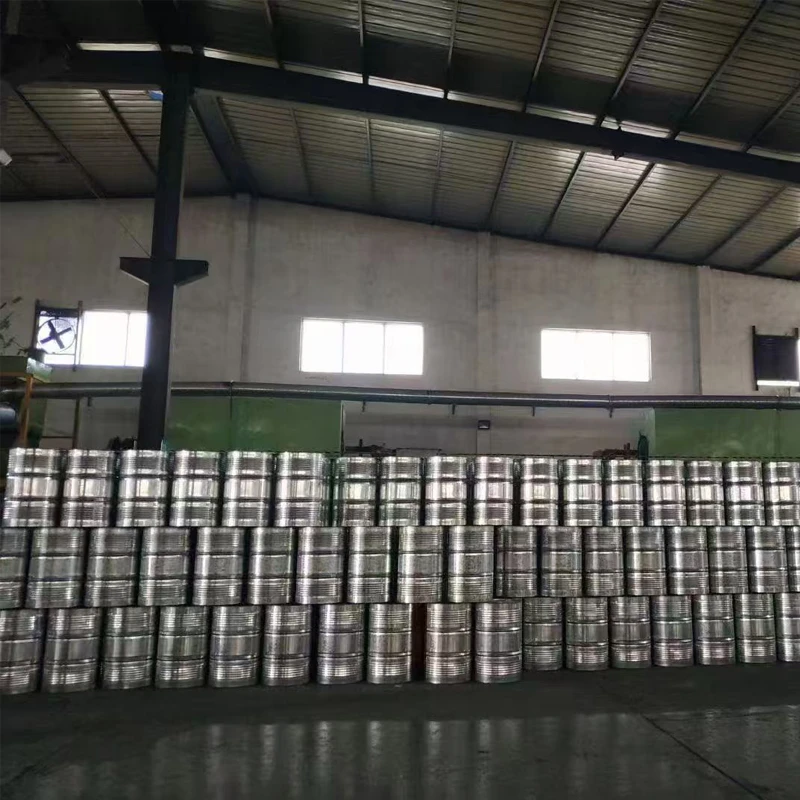
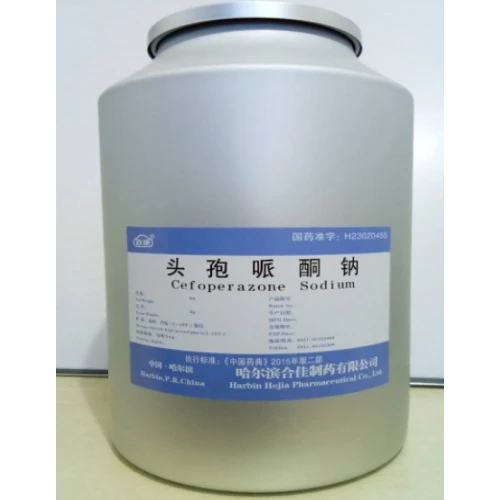
In the vast world of pharmaceuticals, pharma intermediates may not grab the headlines like blockbuster drugs, yet they are the unsung heroes that hold the drug manufacturing process together. Essentially, these are the chemical compounds that act as building blocks or precursors in the synthesis of active pharmaceutical ingredients (APIs). Understanding pharma intermediates, their uses, and their global impact is increasingly vital because they directly influence drug availability, affordability, and innovation worldwide.
Why does this matter on a global scale? Well, medicine is a universal need, yet there are constant challenges in supply chains, environmental regulations, and technological advances. Pharma intermediates sit at the nexus of these challenges, ensuring that the final medicines we rely on are safe, effective, and accessible.
Quick takeaway: Pharma intermediates may seem technical, but they’re crucial to the medicines that modern healthcare depends on.
Introduction: The Global Context of Pharma Intermediates
The pharmaceutical industry is a massive economic and health sector worldwide. According to the World Bank, global pharmaceutical sales exceeded $1.2 trillion in recent years, with the intermediates market representing a substantial chunk of this figure. The United Nations Industrial Development Organization (UNIDO) highlights that countries like China, India, and South Korea dominate the production of these intermediates, making them linchpins in global supply chains.
However, the COVID-19 pandemic exposed vulnerabilities within these chains, where disruptions delayed the shipment of critical intermediates needed for vaccine and drug production. At the same time, stricter environmental regulations, like those imposed by the International Organization for Standardization (ISO), press manufacturers to innovate cleaner, safer production methods.
In short, demand for pharma intermediates is surging while the stakes for quality, sustainability, and supply reliability grow higher.
Definition & Meaning of Pharma Intermediates
Put simply, pharma intermediates are chemical compounds produced during the middle steps of drug manufacturing. They’re neither raw materials nor the finished drug itself, but rather essential precursors. Without them, creating APIs — the active components responsible for therapeutic effects — would be impossible.
In humanitarian terms, pharma intermediates enable rapid drug production required in crises, whether that’s an outbreak of infectious disease or ongoing treatments for chronic conditions. From a modern industry standpoint, they connect chemistry with mass production, bridging lab development and healthcare realities.
Key Factors of Pharma Intermediates
1. Purity and Quality Control
One cannot overstate the importance of purity in pharma intermediates — contaminations could compromise safety or efficacy downstream. Manufacturers use rigorous analytical methods like high-performance liquid chromatography (HPLC) and gas chromatography (GC) to certify consistency.
2. Scalability of Production
Pharma intermediates must be produced not just in lab quantities but at industrial scale without loss of quality. This involves optimized chemical pathways, cost-efficient sourcing, and process engineering.
3. Regulatory Compliance
Because intermediates feed into drug manufacturing, they fall under strict regulations from agencies like the US FDA and the European Medicines Agency (EMA). This includes documentation, traceability, and sometimes environmental restrictions to minimize hazardous waste.
4. Cost Efficiency
Balancing production expenses with quality goals is tricky. Raw material prices fluctuate, and yet pharma companies rely on steady prices to forecast R&D and manufacturing budgets.
5. Environmental Sustainability
Given growing concerns over chemical waste and carbon footprints, manufacturers are adopting green chemistry principles—such as reducing solvent use or waste recycling—to build a more sustainable supply chain.
Mini takeaway:
Quality, scalability, regulation, cost, and sustainability create a complex puzzle that defines pharma intermediates’ success in both labs and on shelves.
Global Applications & Use Cases
Pharma intermediates permeate diverse sectors and geographies. In Asia, China and India have become hubs for exporting intermediates globally, credited with lowering drug prices significantly.
- In post-disaster relief, rapid sourcing of intermediates accelerates essential drug manufacturing, aiding quick medical responses.
- In vaccine development, intermediates are used extensively in producing antiviral agents or adjuvants.
- Industrial biotech firms rely on intermediates to develop new biosynthetic routes to drugs, improving yields and reducing costs.
For instance, when a recent flu outbreak hit in Southeast Asia, pharmaceutical companies ramped up use of key intermediates to translate laboratory science into real-world antiviral medicines in weeks instead of months.
Advantages & Long-Term Value
Beyond the obvious economic gains, pharma intermediates contribute to:
- Safety and efficacy: Reliable intermediates ensure final drugs meet therapeutic standards.
- Innovation: Enables rapid prototyping and scale-up of new drug candidates.
- Global health equity: Cheaper production lowers barriers to medicine access in low-income countries.
- Environmental protection: Greener processes reduce industrial pollution, benefiting communities.
- Trust in supply chains: Transparent and regulated intermediates improve overall pharmaceutical integrity.
Product Specification Table: Typical Pharma Intermediates
| Intermediate Name | Chemical Formula | Purity (%) | Application | Typical Packaging |
|---|---|---|---|---|
| 4-Aminophenol | C6H7NO | 99.5+ | APAP Synthesis (Paracetamol) | 25 kg Bags |
| Ibuprofen Intermediate | C13H18O2 | 98+ | NSAIDs Production | 50 kg Drums |
| Benzyl Chloride | C7H7Cl | >99 | Synthesis of Various APIs | 200 kg Containers |
Vendor Comparison Table: Leading Pharma Intermediates Suppliers
| Company | Primary Markets | Quality Certifications | Sustainability Initiatives | Key Strengths |
|---|---|---|---|---|
| Hejia Chemical Tech | Global (Asia, EU, NA) | GMP, ISO9001, ISO14001 | Green chemistry & waste reduction | Custom synthesis, reliable supply chain |
| ABC Pharma Intermediates | Emerging markets (India, Africa) | GMP | Limited | Cost competitive solutions |
| GlobalChem Solutions | North America, Europe | GMP, ISO13485 | Energy efficient manufacturing | Technical support & R&D collaboration |
Future Trends & Innovations in Pharma Intermediates
Looking ahead, pharma intermediates will increasingly benefit from:
- Green Chemistry: Efforts to minimize toxic byproducts during synthesis.
- Digitalization and Automation: AI-enabled quality control and factory automation to boost consistency and speed.
- Biocatalysis: Using enzymes to create intermediates with higher specificity and less waste.
- Supply Chain Transparency: Blockchain and IoT solutions to secure authenticity and traceability.
These innovations aren’t just buzzwords; they’re vital responses to climate policies, cost pressures, and global health needs. For example, new solvent-free methods drastically cut emissions and are being piloted by several manufacturers.
Challenges & Practical Solutions
Of course, the pathway isn’t smooth. Challenges include raw material price volatility, regulatory hurdles that differ by region, and the complexity of scaling new synthetic routes. Environmental compliance sometimes conflicts with cost goals, creating tough choices.
Experts suggest more investment in flexible manufacturing to adapt quickly to market needs, partnerships between suppliers and pharma companies to align expectations, and expanding training on sustainable chemistry. Oddly enough, smaller firms often lead innovation because they’re more agile.
FAQ: Frequently Asked Questions About Pharma Intermediates
- Q1: What distinguishes pharma intermediates from active pharmaceutical ingredients?
- A1: Pharma intermediates are precursors or compounds synthesized during intermediate steps of drug production. APIs are the final bioactive components responsible for the therapeutic effect. Think of intermediates as the necessary ingredients used to make the “main dish” — the finished drug.
- Q2: How do environmental regulations affect pharma intermediate manufacturing?
- A2: Environmental regulations require manufacturers to limit hazardous waste, emissions, and solvent usage. This has led to more sustainable processes, but sometimes increased production costs. Compliance ensures long-term community safety and aligns with global sustainability goals.
- Q3: Can pharma intermediates be customized for different drug formulations?
- A3: Yes, custom synthesis of intermediates tailored to specific APIs is common, especially for novel drugs. This requires sophisticated chemical engineering and close collaboration between manufacturers and pharmaceutical companies.
- Q4: How reliable is the global supply chain for pharma intermediates?
- A4: The supply chain is quite robust but can be vulnerable to geopolitical tensions, natural disasters, or transport disruptions. Hence, diversification of suppliers and stockpiling certain chemicals are industry strategies to mitigate risks.
- Q5: Where can I source high-quality pharma intermediates?
- A5: Reputed suppliers like Hejia Chemical Tech provide GMP-certified products with global logistics support. Always verify certifications and audit supplier compliance before procurement.
Conclusion & Call to Action
In the complex world of drug manufacturing, pharma intermediates play a pivotal yet often overlooked role. They are the cornerstone of producing safe, effective, and affordable medicines worldwide. By investing in quality, sustainability, and innovation, the pharma intermediates sector enables the healthcare advances that millions depend on every day.
If you’re involved with pharmaceutical development or supply, I encourage you to explore trusted sources and deepen your understanding of intermediates’ function in your operations. Visit our website at https://www.hejiachemicaltech.com for expert solutions tailored to your needs.
Final thought: Pharma intermediates aren’t just chemicals — they’re the silent pillars of global health progress.
References:
1. World Health Organization (WHO)
2. United Nations Industrial Development Organization (UNIDO)
3. Wikipedia - Pharmaceutical Intermediate