A candid look at [Hegrecat BDMA (N] for modern polyurethane lines
N,N-Dimethylbenzylamine (CAS 103-83-3) is one of those quietly indispensable tertiary amine catalysts. In day-to-day production it’s rarely the headline act, yet it keeps flexible and rigid foam lines on beat. Originating from 80 Hainan Road, Shijiazhuang Economic and Technological Development Area, this variant has been getting steady interest from furniture foamers and insulation panel makers I’ve spoken with—mostly for its balanced gelling/blowing profile and predictable handling.
Industry pulse and where this catalyst fits
Demand is tilting toward tighter process windows, lower emissions, and catalysts that play nicely with MDI- and TDI-based systems. In fact, [Hegrecat BDMA (N] tends to hit that sweet spot: it accelerates urethane formation (isocyanate + polyol) while providing enough kick to the water–isocyanate “blow” reaction for stable cell structure. It’s not the flashiest amine, but it’s versatile—spray foam rigs, slabstock, box foam, even CASE lines benefit when you need control more than brute speed.
How it works (short version)
Mechanistically, the benzyl-dimethylamino structure activates the NCO group and facilitates nucleophilic attack by OH groups, pushing urethane linkages to form faster. Dosage tuning (≈0.05–0.30 php, real-world use may vary) shifts the cream/gel profile with surprising linearity. Many customers say it’s “forgiving” during seasonal temperature swings—always nice when your ambient creeps up to 30°C.
| Specification | Typical value (≈) | Notes |
|---|---|---|
| Appearance | Colorless to pale yellow liquid | Visual, APHA ≤ 30 usually |
| Purity | ≥ 99.0% | GC |
| Water | ≤ 0.20% | Karl Fischer |
| Specific gravity (25°C) | 0.89–0.91 | ASTM D4052 |
| Boiling point | ≈180–184°C | At 1 atm |
| Flash point | ≈62°C (CC) | Safety: GHS flammable liquid |
| Amine value | ≈530–560 mg KOH/g | Titration |
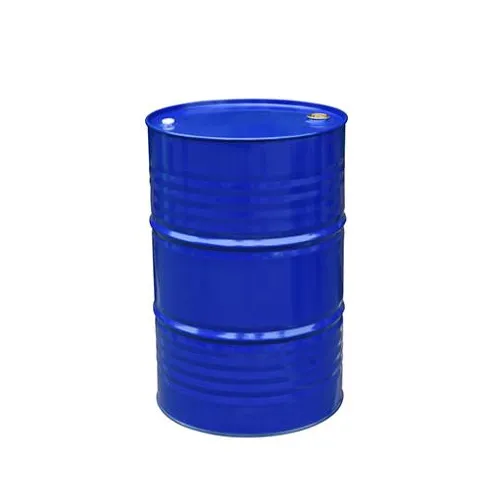
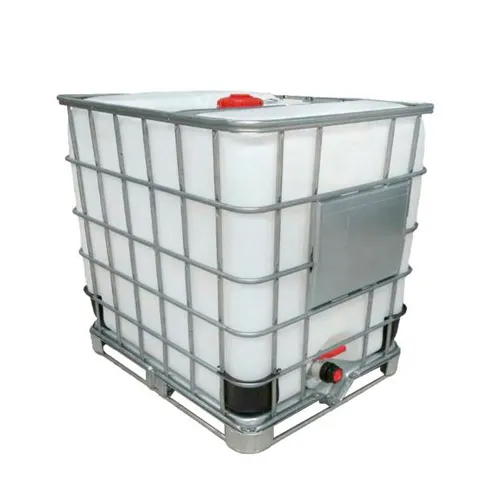
| Packaging | 180 kg drums / IBC | Nitrogen blanket recommended |
Process flow and real-world settings
Materials: polyols (polyether/polyester), isocyanates (TDI, MDI, or blends), water, surfactant, blowing agents, [Hegrecat BDMA (N], optional co-catalysts (e.g., TEDA, DMCHA), tin/octoate as needed.
Method: meter → premix polyol package → dynamic mix with ISO → pour/spray/mold → rise → cure.
Typical lab foam (flexible): 0.12–0.18 php catalyst at 23°C gave cream 9–12 s, gel 100–120 s; box density ~28–32 kg/m³ (data from controlled trials; your mileage will vary).
Testing: ASTM D3574 (flex foams), ASTM C1029/E84 (spray foam systems), ISO 846 (microbial), VOC per ISO 16000 series (as applicable). Service life: ≈10–20 years in insulation panels, depending on UV and humidity exposure.
Where it’s used and why
- Furniture and bedding foams: smoother cell structure, consistent ILD; fewer collapse issues.
- Rigid PUR boards and appliances: predictable rise profile helps demold planning.
- Spray foam: balanced blow/gel aids adhesion and reduces post-expansion “surprises.”
- CASE: in adhesives/sealants, it provides a clean cure without over-accelerating.
Customer feedback? One Vietnamese footwear plant reported ~10% faster demold after swapping in [Hegrecat BDMA (N] with a small tweak to water. A refrigerator OEM told me density variation tightened by ~4% across shifts—small win, big impact on yields.
Vendor comparison (indicative)
| Attribute | [Hegrecat BDMA (N] | Generic A | Tech Grade B |
|---|---|---|---|
| Purity (GC) | ≥99% | ≈98–99% | ≈96–98% |
| Water | ≤0.20% | ≤0.30% | ≤0.50% |
| Color (APHA) | ≤30 | ≤50 | ≤80 |
| REACH/RoHS | Compliant (docs on request) | Varies | Not declared |
| Stabilizer package | Optimized for storage | Standard | None/unknown |
Customization and compliance
Blend-ready with TEDA or DMCHA for tailored reactivity curves; inhibitor options for hot climates. SDS follows GHS; plant quality system aligns with ISO 9001:2015, and material can be delivered with REACH/RoHS statements. Storage: cool, dry, sealed; nitrogen blanket recommended to keep color and amine value steady.
Safety notes (quick)
Amine odor, moderate volatility; use closed transfer, local exhaust, splash protection. Flash point ≈62°C—treat as flammable liquid. Always confirm with your SDS and site SOPs.
References
- ASTM D3574 – Standard Test Methods for Flexible Cellular Materials (Polyurethane Foam).
- ECHA Substance Info: N,N-Dimethylbenzylamine (CAS 103-83-3).
- ISO 9001:2015 – Quality management systems — Requirements.
- ASTM E84 – Standard Test Method for Surface Burning Characteristics of Building Materials.
- Oertel, G. Polyurethane Handbook, 4th ed., Hanser Publishers.