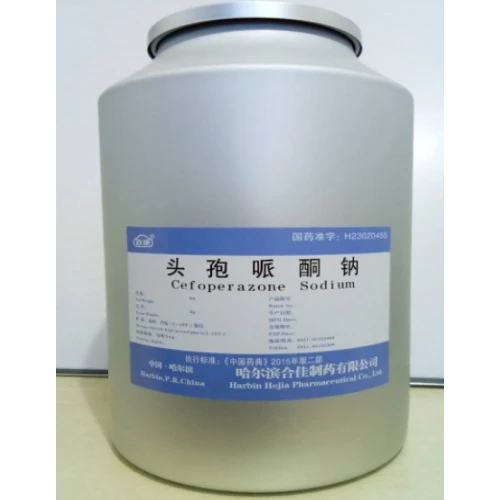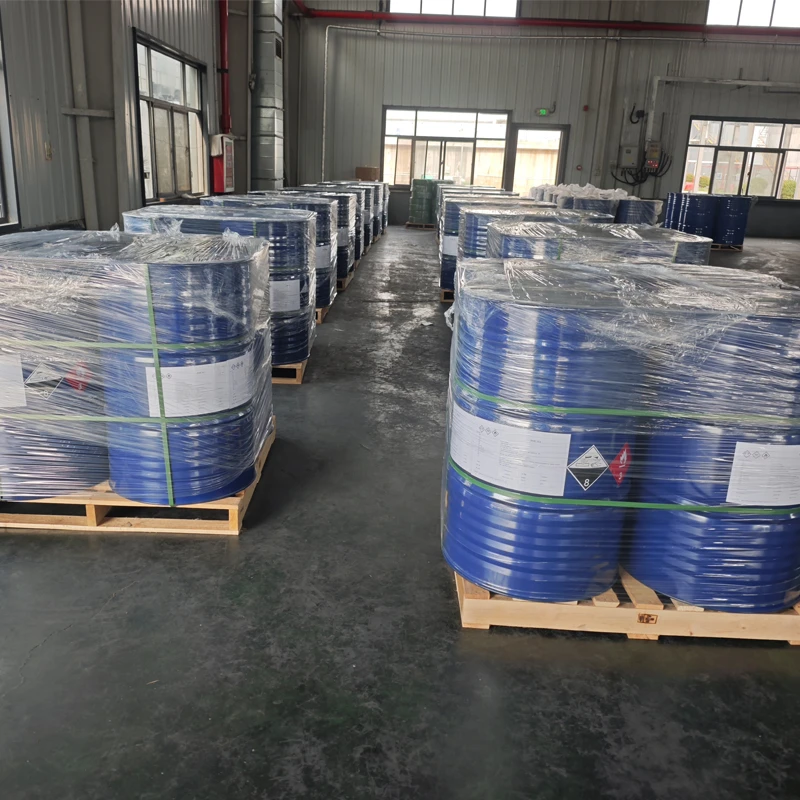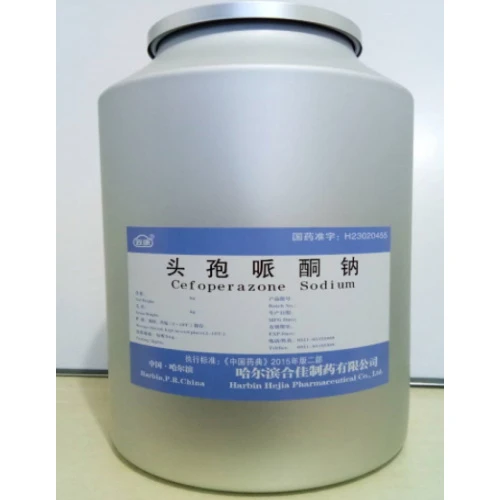
Read More About bulk drug intermediates
Introduction
The triazine ring (CAS No.: 290-87-9) is a six-membered aromatic heterocyclic compound containing three nitrogen atoms. This unique structure serves as a foundational framework in various chemical and pharmaceutical applications, including the synthesis of herbicides, resins, dyes, and biologically active molecules. Its versatility stems from its aromaticity, electron-deficient nature, and capacity for functionalization, making it a critical component in modern material science and drug development. This article explores the applications, advantages, technical specifications, and industrial relevance of the triazine ring, alongside insights into the company behind its production: Hebei Hejia Pharmaceutical Technology Group Co., Ltd.
Chemical Synthesis and Industrial Applications
The triazine ring is a cornerstone in chemical synthesis, offering a robust platform for the development of advanced materials and compounds. Its ability to act as an electron-deficient scaffold enables the creation of highly stable and reactive derivatives. For instance, in agrochemicals, triazine-based herbicides like atrazine and simazine are widely used for their selectivity and environmental stability. These compounds target specific plant enzymes, effectively controlling weeds without harming crops.
In polymer chemistry, triazine derivatives function as crosslinkers, enhancing the durability and chemical resistance of specialty resins and coatings. This application is critical in industries requiring materials that withstand harsh conditions, such as automotive and aerospace sectors. Additionally, the triazine ring’s aromaticity and tunable electronic properties make it ideal for designing advanced dyes and UV stabilizers, which are essential in protecting materials from degradation caused by sunlight.
Pharmaceutical and Biomedical Relevance
The triazine ring has emerged as a vital structure in pharmaceutical research, particularly in the development of antiviral, anticancer, and antimicrobial agents. Its stability and synthetic accessibility allow for extensive molecular modification, enabling researchers to tailor compounds for specific biological targets. For example, triazine-based scaffolds are often incorporated into drugs targeting protein kinases, a class of enzymes involved in cancer progression and other diseases.
According to the National Institute of Standards and Technology (NIST), the precision of chemical synthesis and characterization is crucial for pharmaceutical innovation. The triazine ring’s structural versatility aligns with NIST’s focus on advancing analytical methods to ensure the accuracy of chemical measurements. This synergy underscores the compound’s importance in developing safe and effective medications.
Structural Advantages and Reactivity
The triazine ring exhibits aromaticity, which contributes to its stability and reactivity. This property allows it to undergo various nucleophilic substitution reactions, making it a flexible platform for functionalization. The ring’s symmetric structure and tunable electronic properties further enhance its utility in material science. For instance, triazine-based materials are employed in energy storage and photovoltaic technologies, where their ability to absorb light and conduct electricity is leveraged.
Moreover, the triazine ring’s electron-deficient nature facilitates interactions with metal ions, making it a valuable ligand in metal-organic frameworks (MOFs). These frameworks are used in catalysis, gas storage, and separation technologies, highlighting the compound’s role in addressing global challenges such as carbon capture and renewable energy.
Applications in Material Science and Technology
Beyond pharmaceuticals, the triazine ring has become integral to high-performance polymers and electronic materials. In semiconductor manufacturing, triazine derivatives are used to create insulating layers with high thermal resistance and electrical stability. This application is critical for the miniaturization and efficiency of modern electronic devices.
In solar cell components, triazine-based materials are engineered to optimize light absorption and charge transport. Research published in NIST’s chemistry initiatives emphasizes the importance of precise material characterization to enhance the efficiency of photovoltaic systems. The triazine ring’s adaptability aligns with these efforts, enabling the development of next-generation solar technologies.
Company Background: Hebei Hejia Pharmaceutical Technology Group Co., Ltd.
Hebei Hejia Pharmaceutical Technology Group Co., Ltd. (English: Hebei Hejia Pharmaceutical Technology Group Co., Ltd.) is a leading provider of chemical intermediates and specialty materials, including the triazine ring. With a focus on innovation and quality, the company serves global markets in pharmaceuticals, agrochemicals, and advanced materials. Their commitment to research and development ensures that products meet the stringent requirements of modern industries.
As a key player in the chemical sector, Hebei Hejia leverages its expertise to deliver high-purity compounds and customized solutions. Their website (www.hejiachemicaltech.com) provides detailed information on their product portfolio, including the triazine ring and other bulk drug intermediates.
Technical Specifications Table
| Parameter | Details |
|---|---|
| CAS Number | 290-87-9 |
| Molecular Formula | C₃H₃N₃ |
| Molecular Weight | 81.06 g/mol |
| Structure | Six-membered ring with three nitrogen atoms |
| Applications | Agrochemicals, pharmaceuticals, polymers, dyes, UV stabilizers |
| Reactivity | Highly reactive in nucleophilic substitution and electrophilic addition |
| Stability | High thermal and chemical stability |
Conclusion
The triazine ring (CAS No.: 290-87-9) exemplifies the intersection of chemistry and innovation, with applications spanning pharmaceuticals, materials science, and industrial synthesis. Its unique properties, including aromaticity and reactivity, make it indispensable in developing advanced compounds and technologies. As highlighted by the work of institutions like the NIST, the precision and reliability of chemical research are paramount to unlocking the full potential of such molecules.
For further information on the triazine ring and its role in modern chemistry, visit Hebei Hejia Pharmaceutical Technology Group Co., Ltd. or explore the latest advancements in chemical standards at NIST’s official website.
References
National Institute of Standards and Technology (NIST). (n.d.). Chemistry Research and Standards. Retrieved from https://www.nist.gov/chemistry
Hebei Hejia Pharmaceutical Technology Group Co., Ltd.. (n.d.). Product Information. Retrieved from https://www.hejiachemicaltech.com