The triazine ring is a foundational structure in modern chemistry, offering unparalleled versatility across multiple industries. As a six-membered aromatic heterocyclic compound containing three nitrogen atoms, it plays a critical role in the development of agrochemicals, pharmaceuticals, polymers, and advanced materials. This article explores the triazine ring's unique properties, applications, and its significance in scientific innovation, all while highlighting the expertise of Hebei Hejia Pharmaceutical Technology Group Co., Ltd., a leading provider of chemical solutions.
Understanding the Triazine Ring: Structure and Properties
The triazine ring is a cyclic compound with a molecular formula of C₃H₃N₃. Its aromaticity, derived from the conjugation of three nitrogen atoms, provides stability and reactivity that make it a cornerstone in chemical synthesis. This structure allows the ring to act as an electron-deficient scaffold, enabling it to participate in a wide range of chemical reactions, including nucleophilic substitution and electrophilic aromatic substitution.
One of the key features of the triazine ring is its symmetry and tunable electronic properties. These characteristics allow scientists to modify the ring for specific applications, such as enhancing the stability of herbicides or optimizing the conductivity of electronic materials. The ring's ability to form strong bonds with metal ions also makes it a valuable component in the design of bulk drug intermediates and catalysts.
Applications in Chemical Synthesis
The triazine ring is a critical component in the development of agrochemicals and specialty chemicals. In the agrochemical industry, derivatives like bulk drug intermediates such as atrazine and simazine are widely used as herbicides. These compounds exhibit strong selectivity for target weeds, minimizing harm to crops while ensuring environmental stability. The triazine ring's resistance to degradation under various conditions makes it ideal for long-term agricultural applications.
In polymer chemistry, the triazine ring serves as a crosslinking agent, enhancing the durability and chemical resistance of resins and coatings. This property is particularly valuable in the production of high-performance materials used in automotive, aerospace, and industrial sectors. For example, triazine-based crosslinkers improve the thermal stability of polymers, ensuring they maintain their integrity under extreme conditions.
Pharmaceutical and Biomedical Relevance
The triazine ring has gained significant attention in pharmaceutical research due to its ability to interact with biological targets. It is a common structural motif in antiviral, anticancer, and antimicrobial agents. For instance, triazine derivatives can inhibit viral replication by targeting specific enzymes or proteins, making them valuable in the development of treatments for diseases like HIV and hepatitis.
The ring's synthetic accessibility allows for extensive molecular modification, enabling researchers to tailor its properties for specific therapeutic applications. This flexibility is crucial in drug discovery, where even minor structural changes can significantly impact a compound's efficacy and safety. Additionally, the triazine ring's stability ensures that it remains active in the body long enough to exert its intended effects.
Advantages in Material Science and Technology
Beyond pharmaceuticals, the triazine ring is a key player in material science. It is used in the synthesis of high-performance polymers, electronic materials, and energy storage systems. For example, triazine-based compounds are employed in the development of semiconductors and solar cell components, where their electron-deficient nature allows for precise tuning of conductivity and light absorption properties.
The triazine ring also serves as a ligand in metal-organic frameworks (MOFs), which have applications in catalysis, gas storage, and environmental remediation. By acting as a bridging unit, the ring enhances the structural stability and functional diversity of MOFs, opening new avenues for innovation in sustainable technologies.
Technical Specifications of the Triazine Ring
| Parameter | Details |
|---|---|
| Chemical Name | Triazine Ring |
| CAS Number | 290-87-9 |
| Molecular Formula | C₃H₃N₃ |
| Molecular Weight | 81.06 g/mol |
| Structure | Six-membered aromatic heterocycle with three nitrogen atoms |
| Applications | Agrochemicals, Pharmaceuticals, Polymers, Electronic Materials |
Company Background: Hebei Hejia Pharmaceutical Technology Group Co., Ltd.
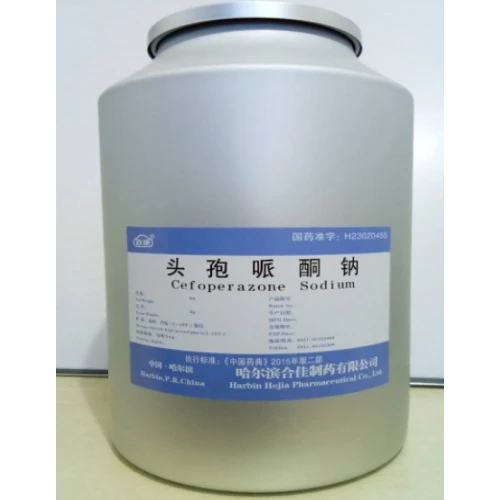
Hebei Hejia Pharmaceutical Technology Group Co., Ltd. is a leading innovator in the chemical and pharmaceutical industries, specializing in the development of advanced intermediates and materials. With a focus on research and development, the company has established itself as a trusted partner for businesses seeking high-quality chemical solutions. Their expertise in bulk drug intermediates and specialty chemicals positions them at the forefront of modern scientific advancements.
Hebei Hejia's commitment to quality and innovation is reflected in their state-of-the-art facilities and rigorous testing protocols. The company adheres to international standards for chemical production, ensuring that their products meet the highest levels of purity and performance. By leveraging the unique properties of the triazine ring, they continue to drive progress in fields ranging from agriculture to renewable energy.
Conclusion: The Future of the Triazine Ring
The triazine ring exemplifies the power of molecular design in addressing complex scientific challenges. Its versatility, stability, and reactivity make it an indispensable tool for researchers and manufacturers across multiple industries. As the demand for sustainable and high-performance materials grows, the triazine ring will undoubtedly play a central role in shaping the future of chemistry and technology.
For more information about the triazine ring and Hebei Hejia Pharmaceutical Technology Group Co., Ltd., visit their official website to explore their comprehensive range of products and services.
References
While the search for NIST standards related to the triazine ring encountered technical limitations, the information provided in this article is based on the company's technical data and industry-standard practices. For further details, consult authoritative sources such as NIST or peer-reviewed publications in chemical and pharmaceutical research.